If fishing is one part of a Flagler Beach vacation, a half-day charter can leave room for other plans, while a full-day charter suits a group making fishing the main event. Your choice depends on your group’s schedule, comfort, fishing goals, and intended water. Lines-in time means the portion of a trip when fishing lines are in the water.
Families may value a manageable outing, while experienced anglers might want more time to explore. Travel plans, the group’s energy, and the captain’s fishing plan all affect how the day feels. The sections below cover timing, costs, fishing styles, conditions, booking details, and rules for keeping fish.

Key Takeaways
- Choose a half-day charter when your schedule leaves room for only a shorter outing.
- Consider a full-day charter when fishing is the main event.
- Compare the specific trip length, not just its half-day or full-day label.
- Ask what gear, bait, licenses, and other services the price includes.
- Match the planned water and fishing style to your group’s goals.
- Confirm group capacity, departure time, and meeting details before travel.
Choose the trip around the kind of day your group wants, not simply the longest block of time.
Half Day vs Full Day Fishing Charters: Which Option Fits Your Goals?
Near Flagler Beach, a half-day charter typically falls within 3-5 hours, while a full-day charter starts at 6 hours. Those ranges describe local trip categories, not one fixed schedule for every boat. A four-hour trip may fit between other vacation plans, while a longer booking gives your group more room to make fishing the day’s focus.
Ridin Dirty Charters lists a four-hour nearshore trip for up to four anglers. Fishing gear, bait, and licenses are included with that specific option. Its duration is a useful local example, but it does not set the length of every half-day trip in the area.
A half-day label is a category, not a promise of one exact duration.
For your group, hours matter alongside the trip’s purpose. A shorter trip may work well if you want a first taste of fishing or plan other activities the same day. A full-day charter can suit anglers who want to devote more of the day to the water.
Check the listed duration for the specific trip you are considering, since the trip label alone does not tell you its exact length.
What Do Flagler Beach Charter Prices Include?
Flagler Beach listings average $895 for a half-day charter and $1,797 for a full-day charter, so the longer option carries a higher listed average. Use those averages as comparison points, not quotes for an individual trip. A specific boat, itinerary, and included services can affect what you pay.
How the listed price range compares
Prices across Flagler Beach charter listings range from about $500 to $2,650. That broad span makes the package details important: a lower figure may not include the same supplies or services as another listing. Compare trips with similar lengths and plans before treating one price as the better value.
| Charter listing | Price | How to read it |
|---|---|---|
| Half-day average | $895 | Average listed half-day price |
| Full-day average | $1,797 | Average listed full-day price |
| Overall listed range | About $500-$2,650 | Range across Flagler Beach charter listings |
An average can help you set a rough budget, but it does not guarantee an individual booking will match that number. A boat’s services and trip plan can make two listings with similar labels different in practice. Read the inclusions before comparing the final cost for your party.
Which gear and services may be bundled
Captain Kicen’s charters include a fishing license, rods, reels, tackle, live bait, bottled water, ice, and fish cleaning. That package can reduce the supplies you need to arrange separately. Do not assume another trip includes the same items. Ask about bait, tackle, water, licenses, and fish cleaning for the specific charter you book.
Confirm whether the listed price covers the services your group expects, including any needed fishing gear. Some details may be specific to one captain or trip type. Compare what is bundled alongside the price, especially bait, tackle, water, and fish cleaning.
How Much of the Booked Time Is Spent Fishing?
A charter’s booked hours cover more than the time your group spends with lines in the water. Lines-in time depends partly on the run to the fishing area and the moves between spots. The captain also needs time to reach the water, prepare, and return to the dock.
- Travel to the fishing area takes time before the first cast.
- Setup and getting lines ready happen before fishing begins.
- Moving between spots can interrupt fishing while the boat relocates.
- Returning to the dock is part of the booked outing.
Those parts take up a larger share of a shorter outing. A distant fishing area or several location changes can reduce the portion spent with lines in the water. The captain’s plan and the day’s conditions shape how much fishing time remains.
A longer trip leaves more room to adjust if the bite is slow or conditions change. That extra flexibility does not guarantee more catches; it gives the captain additional time to work with the day’s plan. Ask which fishing areas the captain expects to reach within your chosen trip length.
Your group can get a clearer picture by discussing the route before booking. Ask whether the intended area is close to the launch point or requires a longer run. That answer helps you set expectations for how the booked time may be divided.
Which Flagler Beach Fishing Style Matches Your Target Species?
Start with the type of water and fish you want, because Flagler Beach charters offer distinct inshore, nearshore, night, and offshore approaches. Your target can help narrow the fishing trips that fit your goals. The captain can discuss which trip style suits the fish you hope to catch.
Inshore trips for mixed local targets
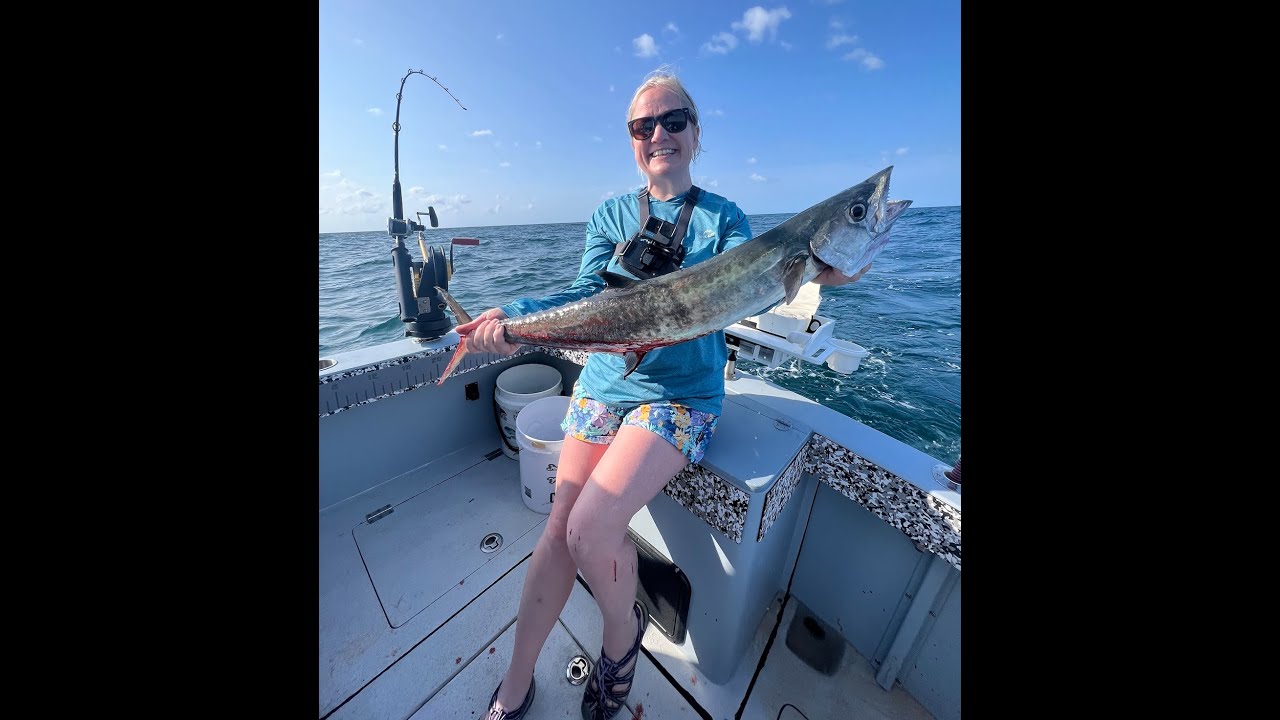
Captain Kicen’s inshore trips target redfish, snook, trout, flounder, and sheepshead. Grand Slam Fishing offers Flagler Beach trips with Captain Caleb Blackburn, who specializes in light-tackle and fly fishing inshore waters, backwaters, and creeks. His Flagler-area targets include redfish, snook, tarpon, black drum, flounder, sea trout, and snapper.
That range gives you more than one kind of inshore approach to discuss. Light tackle uses lighter fishing gear, while fly fishing relies on a specialized fly rod and line. Your experience and preferred way to fish can help guide the conversation with the captain.
Nearshore reefs and wrecks
Ridin Dirty Charters’ four-hour nearshore outing works reefs and wrecks for snapper, grouper, and cobia. This approach brings the boat away from inshore water without making an offshore target list the only focus. Ask how the intended reef or wreck fits your group’s preferred fishing style.
Nearshore fishing can appeal when your target includes reef fish, but your plans still need to match the captain’s route. The actual location depends on the trip plan and conditions. The species listed for a charter describe targets, not a promise that you will catch them.
Night and offshore options
Captain Kicen’s night trips focus on snook and tarpon. They offer a different setting and schedule from daytime inshore fishing. Offshore trips target snapper, grouper, cobia, mahi, and other reef species, making the intended water a key part of your choice.
Tell the captain whether you prefer an inshore outing, a reef and wreck trip, fishing after sunset, or offshore water. A target list is not a guarantee of a catch, since fishing conditions can shape what bites. Before booking, name your preferred target and ask whether the trip type fits that goal.
Which Waters Can Each Trip Reach?
Flagler Beach gives anglers a choice of inshore, river, flats, and nearshore water, while distance offshore affects which boundary applies. The planned water helps define the trip’s reach. Local options range from close-to-shore settings to areas farther out, with conditions and the captain’s plan shaping the actual route.
| Water or area | What it means for trip planning | Local example |
|---|---|---|
| Inshore | Close-to-shore fishing option | Flagler Beach inshore charters |
| River and flats | Different local water settings | River and flats trips |
| Intracoastal Waterway and nearby lagoons | Summer tarpon may be a target | Summer trips |
| Nearshore and federal waters | Longer runs can change the trip’s reach | Atlantic state waters extend to 3 miles, with federal waters beyond |
Summer trips may target tarpon in the Intracoastal Waterway and nearby lagoons. Nearshore and federal-water targets include red snapper, cobia, amberjack, king mackerel, wahoo, and mahi mahi. These examples describe possible fishing areas, not a fixed itinerary for every departure.
Atlantic state saltwater waters extend from shore to 3 miles, while waters beyond 3 miles are classed as federal waters. The boundary matters because distance offshore changes which waters a trip may enter. Your captain’s plan and the day’s conditions determine the area actually fished.
A trip name alone does not tell you how far the boat will travel. Ask which water the planned trip is intended to fish, rather than assuming its reach from the trip label.
Who Gets More From a Half-Day or Full-Day Outing?
A shorter charter is usually the more manageable choice for a first outing or a group fitting fishing around other plans. Comfort comes first when some anglers are new, younger, or unsure about a longer boat trip. A full day can suit serious anglers and groups who want fishing to occupy most of the day.

When a half-day keeps the outing manageable
First-time anglers may appreciate a shorter introduction, especially when learning to handle fishing gear and follow boat instructions. Families with kids can weigh attention, energy, and other vacation plans. Travelers with limited time may also prefer an outing that leaves part of the day open.
These are scenarios to consider, not rules for every person in a category. A child who enjoys a full day outdoors may be happier on a longer trip than an adult who gets uncomfortable on a boat. Talk through your group’s experience and stamina before choosing.
- First-time anglers who want a manageable introduction.
- Families with kids balancing fishing and other plans.
- Travelers with limited vacation time.
- Anglers prioritizing a longer fishing outing.
When a full day better fits the goal
A full day can make sense for serious anglers who want fishing to be the main event. More time can also give the captain flexibility to work through a slower bite or respond to changing conditions. That flexibility is useful, but it does not guarantee a catch or remove weather concerns.
Groups with different comfort levels should consider the least experienced person, not only the most eager angler. A longer outing may feel rewarding to one person and tiring to another. If your group’s priorities are split, choose the duration that the least experienced or least comfortable angler can enjoy.
How Do Tides and Departure Times Affect Your Schedule?
The departure time can be as important to your vacation schedule as the number of hours you book. Some trips follow the tide, while others favor an early start or a sunset departure. Knowing the timing helps you plan meals, travel, and the rest of your day around the boat.
Morning starts shaped by tides
Captain Kicen’s inshore trips usually start early in the morning based on the tide. The tide influences the planned start for those outings, so you should not assume every inshore trip leaves at the same clock time. Offshore trips also start early in the morning.
An early departure can affect how your group handles the night before and the drive to the meeting point. Build the start into your plans instead of treating the booked hours as the only scheduling detail. For travelers, a morning trip may shape the entire day’s activities.
Weekend and sunset departures
Captain Kicen’s night trips start around sunset, offering a departure that differs from morning fishing. Ridin Dirty Charters offers weekend nearshore departures at 7:00 AM and 12:00 PM. Those are specific options for that charter, not a universal schedule for Flagler Beach fishing trips.
Departure choices can affect how easily a trip fits with family plans or travel. A midday start may leave a morning open, while a sunset departure changes the outing’s rhythm. The right time depends on the particular fishing plan and the rest of your schedule.
Ask about the departure when you discuss a trip, especially if you need to coordinate transportation or plans afterward. Confirm the departure time when arranging your trip, especially if you are coordinating travel or other plans that day.
What Happens When Ocean Conditions Change?
A rough ocean does not always mean the day must follow the original offshore plan. A possible alternative is an inshore trip when the river remains fishable and the captain judges conditions suitable. Captain Kicen may switch an offshore trip to an inshore trip under those circumstances.

The river’s condition matters to that option. If the river is not fishable, or the captain’s assessment does not support a change, an inshore outing may not be available. A switch depends on both a fishable river and the captain’s judgment.
- What water does the original plan target?
- What alternative is possible if the ocean is rough?
- How will the captain confirm a change?
Discuss these points before leaving so your group understands what might happen if conditions shift. A longer trip does not remove weather risk, and an alternate plan is not guaranteed. Ask about the captain’s decision process before departure so your group understands how a change would affect the outing.
What Should You Confirm Before the Trip?
Confirm your group’s headcount and final meeting details before you set out for the ramp. Capacity depends on the trip type, and the launch point can depend on where the captain plans to fish. A few clear checks can prevent confusion on the day of your outing.
Group size and what is supplied
Captain Kicen’s nearshore trips accommodate up to four anglers, while inshore and night trips accommodate up to six. Confirm the capacity for your specific booking. Do not assume a boat’s limit is the same across every trip type, especially if your party includes several anglers.
Also ask which gear and supplies the captain provides for your outing. That detail helps you avoid packing unnecessary equipment or arriving without something your group needs. Make the booking plan clear for everyone joining the trip.
- Confirm the booked trip type.
- Verify your group’s headcount.
- Ask what gear and supplies are provided.
- Check the final meeting place and time.
Meeting point and launch plan
Captain Kicen launches from the ramp closest to that day’s fishing location. The exact launch point can therefore depend on the planned area, rather than remaining fixed for every trip. Captain Kicen confirms the meeting place and time the day before the outing.
That final message gives your group a chance to align travel plans with the actual launch point. Share the information with everyone riding along, so no one heads to an outdated location. Recheck the agreed meeting place and time the day before the trip.
What Fishing Rules Apply, and What Happens to Kept Fish?
Keeping a fish depends on current bag, size, and seasonal rules, not just whether it was caught. Florida rules still apply to fish your group hopes to retain. Captain Kicen cleans and bags kept fish after the trip, but cleaning does not change which fish may legally be kept.
| Check | What it covers | Practical action |
|---|---|---|
| Bag limits | How many fish may be kept | Check current rules for the location |
| Size limits | Which fish meet the legal size | Check the current rule before keeping a fish |
| Seasonal closures | When a fishery is closed | Verify current dates and restrictions |
| Location-specific rules | Regulations can depend on where you fish | Use the Fish Rules app with Location Services enabled |
Bag limits set how many fish you may keep, while size limits determine which fish meet legal requirements. Seasonal closures can prohibit keeping a species during certain dates. Rules can also depend on the fishing location, so use the Fish Rules app with Location Services enabled for location-specific regulations.
The Florida Fish and Wildlife Conservation Commission issued its 2026 saltwater recreational fishing regulations publication in January 2026. The publication directs anglers to MyFWC.com for current regulations. Checking those rules matters because regulations can change and your trip’s location affects which guidance applies.
Fish cleaning is a service after the trip, not permission to keep every fish you catch.
Follow the captain’s guidance when deciding whether a fish may stay in the cooler. Your group remains responsible for knowing the current rules for the fishing location. Check the current rules for the trip’s location before fishing, then follow the captain’s guidance on kept fish.
Conclusion
For most groups balancing fishing with other plans, a half-day charter is the easier fit; anglers making fishing the day’s focus should consider a full day. Your choice should reflect the group’s stamina, experience, schedule, and preferred water, not just how much time the boat can offer.
When you speak with a captain, share your group size, fishing experience, and preferred water. That gives the captain useful details for discussing a suitable trip plan. Contact a captain with your group’s needs and ask which trip length best fits your plans.
FAQ
Can I ask a captain to focus on a particular fish?
Yes, share your target before booking so the captain can discuss a suitable trip style and the day’s conditions. The captain can explain whether the planned water and approach fit your goal. Fish are not guaranteed, even when a trip is built around a particular target. Clear expectations help your group choose a plan that makes sense.
Are meals included on Flagler Beach charters?
Do not assume a meal is part of a Flagler Beach charter booking. Food arrangements can differ between trips, and included drinks or ice do not necessarily mean a meal is supplied. Ask the captain what food, if any, comes with your specific trip. You can then plan what your group needs without relying on an assumption.
Should I choose a half-day trip if someone in my group is unsure about being on a boat?
A shorter outing may be easier to manage for someone uncertain about spending time on a boat. Comfort also depends on the planned water and the person’s experience, so discuss both with the captain before booking. Explain what concerns your group member, such as trip length or being offshore. The captain can talk through the intended outing without promising how that person will feel.
Can we keep every fish we catch?
No, bag limits, size limits, and seasonal closures can restrict which fish your group may keep. Rules depend on the fishery and the location, so check current regulations before the trip. The captain can help you understand what applies during the outing, but a fish must still meet legal requirements. Cleaning and bagging a fish does not override those rules.
What should I do if our group is split between inshore and offshore fishing?
Agree on a primary goal, then ask the captain which water and trip plan can accommodate it. A group may need to decide whether a shared fishing style matters more than one person’s preferred location. Discuss any alternate plan before booking, especially if conditions could affect the intended water. That conversation can reveal whether one outing suits everyone in the party.
Can I bring my own rods or tackle?
Yes, you can ask the captain whether personal rods or tackle are welcome on your specific trip. Some charters supply fishing gear, but that does not automatically mean personal equipment is prohibited or needed. Tell the captain what you plan to bring and ask what is already provided. This helps avoid packing duplicate gear or bringing equipment that does not fit the plan.