A fishing day in Flagler Beach can mean a guided boat trip, a quiet stretch of beach or a cast into protected coastal waters. How much do fishing charters cost in Flagler Beach depends on the outing you choose, your group size and the experience you want. Inshore fishing means fishing in protected coastal waters such as rivers, creeks and estuaries close to shore. As an East Coast destination, Flagler Beach offers options for a family outing or a more focused fishing adventure. You can book a guided boat trip or fish from shore at your own pace. This guide helps you compare local choices and plan a day that fits your group, without treating every trip as the same experience. Your best starting point is the kind of fishing day you want, then the group size and budget you need to fit.
Key Takeaways
- Charter costs depend on trip length, fishing style and group size.
- Flagler Beach offers guided boat trips and shore fishing.
- Inshore fishing takes place in protected waters close to shore.
- Match the outing to your group’s time, comfort and budget.
- Confirm trip details with the captain before booking.
How Much Do Fishing Charters Cost in Flagler Beach?
Local charter listings span about $500-$2,650, with specific smaller-boat offers starting below that broad range. Those figures serve different purposes: listing averages help with budgeting, while individual offers show a particular boat or trip’s starting price.
The average half-day trip costs $895, and the average full-day trip costs $1,797. A specific 21-foot boat listing starts at $399, below the broader listing range. Palm Coast fishing charters include options such as a listed family trip starting at $550 for 1-6 people.
Local charter rates at a glance
| Listing type | Starting price | Capacity |
|---|---|---|
| 21-foot boat | $399 | 1-4 people |
| Palm Coast family boat | $550 | 1-6 people |
| Inshore trip | $500 | 1-2 people |
| Inshore and nearshore trip | $700 | 1-2 people |
The listed starting prices describe different boats and trip types, not one standard local rate. For Flagler Beach fishing, compare what fits your group rather than assuming a lower starting figure covers the same outing.
What changes the total price
A larger group can change the quote, especially when the boat has a set passenger limit. Longer runs, fishing style and included gear can also affect what you pay. Beach fishing charters are not the only option, so compare the boat and plan against your preferred kind of day.
Treat listing averages as planning benchmarks, not a promise that every boat charges the same rate.
Ask for the full price and a clear list of what it covers. A low starting figure may describe a smaller group or a specific trip setup. Compare the price for your whole group, not just the starting figure.
What affects the length and cost of a fishing trip?
Most Flagler Beach charter trips last four to eight hours, so the first cost decision is how much time your group wants on the water. A shorter trip suits anglers with limited time, while extra hours give the captain more time to range farther or target fish.
Trip length shapes the day’s pace. A shorter outing can keep the schedule manageable for children or first-time anglers. Longer trips leave more time for travel and fishing, though the captain’s plan depends on conditions and your chosen style.
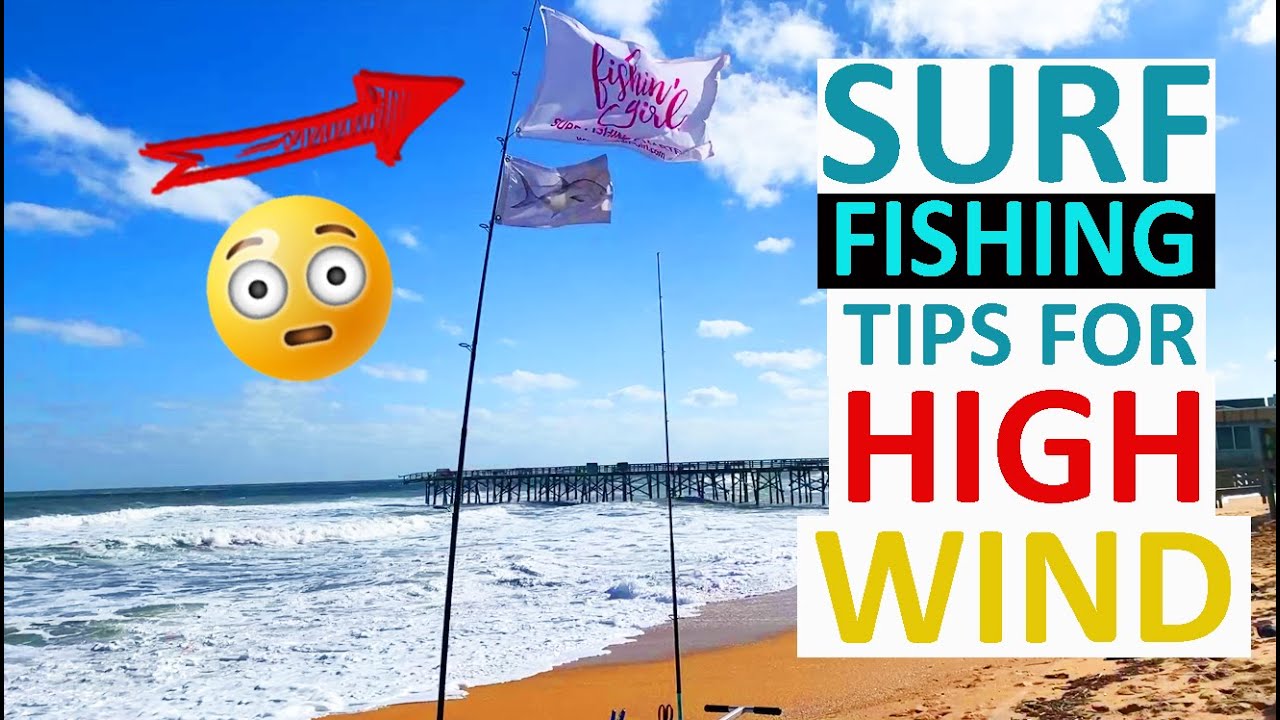
The average charter boat in Flagler Beach is 23 feet long. Boat size and passenger capacity can affect comfort, movement and the space available for rods and gear. A group should consider how comfortably everyone can fish aboard the same boat.
Fishing charters cost so much because the service includes the captain, boat, trip time, fuel and fishing plan. Those parts support the outing, not just the hours spent casting. Ask what the quoted rate includes instead of assuming every charter covers the same items.
Specialized tarpon trips are available in summer, so your target can influence which dates and trip plans suit you. If tarpon is your target, check summer availability before settling on a date.
Which fishing style and species fit your group?
Choose inshore waters for protected backwater fishing, and look offshore for a wider range of Atlantic species. Inshore fishing often suits a sheltered, flexible outing, while offshore fishing fits groups seeking open-water action. The best style depends on the water and fish you want to pursue.
The 23-mile Matanzas River joins the Halifax River and holds trout, redfish, flounder, cobia and kingfish. Inshore trips may target sheepshead, trout, redfish, tarpon, snook and flounder. Intercoastal waters offer a different feel from open Atlantic fishing.
Inshore and backwater trips
Protected waterways can suit anglers who prefer calmer water and a flexible outing. Light tackle is common for trout and redfish, and kayak fishing can offer another way to explore backwaters. Ask whether the planned trip uses a boat or kayak.
Nearshore and offshore fishing
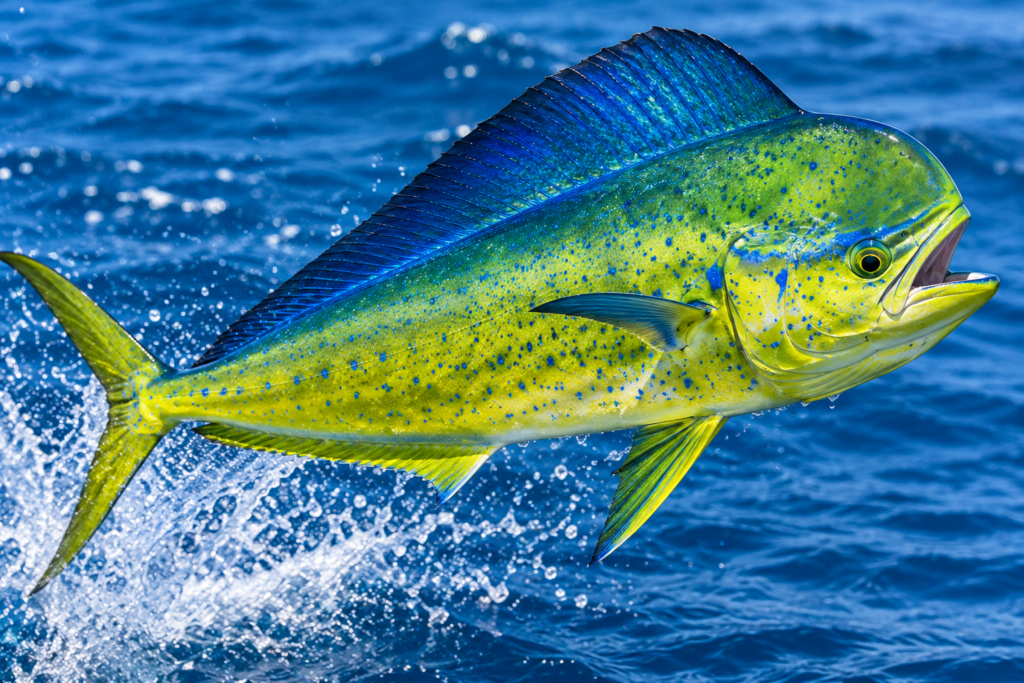
Nearshore trips reach Atlantic waters closer to shore, while offshore fishing heads toward reefs and open water. Offshore targets can include king mackerel, mahi mahi, marlin, sailfish, snapper, grouper and sharks. Trolling covers water for pelagic fish, while bottom fishing targets snapper and grouper near reefs and wrecks.
| Trip style | Setting | Common targets | Common approach |
|---|---|---|---|
| Inshore | Matanzas River and protected waterways | Trout and redfish | Light tackle or kayak fishing |
| Nearshore | Atlantic waters closer to shore | Snapper and grouper | Bottom fishing |
| Offshore | Atlantic reefs and open water | King mackerel and mahi mahi | Trolling or bottom fishing |
Ask the captain which target species and fishing method suit the conditions on your date.
Where can you fish from shore in Flagler Beach?
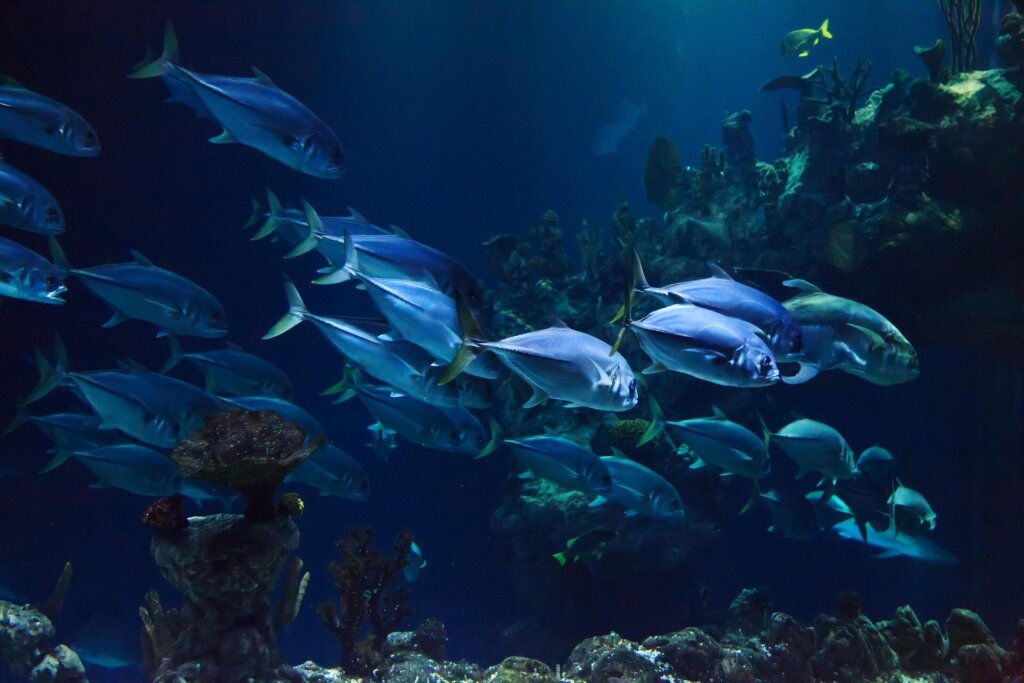
With 19 miles of beaches in Palm Coast and the Flagler Beaches, shore fishing gives visitors a boat-free way to target coastal fish. Surf fishing in Flagler Beach can target blues, whiting and flounder. Varn Park is a specific surf-fishing spot at 3665 N Ocean Shore Blvd, Palm Coast, FL 32137.
The Flagler Beach pier extends 806 feet and opens daily from 6 a.m. to midnight. A pier pass is required, and that pass is separate from any fishing-license coverage. The pier itself must have a valid saltwater pier license for eligible anglers to fish without an individual saltwater license.
Surf fishing along the beach
Surf anglers can spread out along the coast instead of crowding onto a boat. Check conditions and access before choosing a stretch of sand. Visitors staying near Ormond Beach can also plan around the wider regional coastline, while keeping the Flagler Beaches’ local access rules in mind.
Piers, parks and docks
Consider these shore options when planning where to cast:
- Surf fishing at Varn Park
- The Flagler Beach pier
- Waterfront Park
- Betty Steflik Preserve or Bing’s Landing
Washington Oaks Gardens, Bulow Plantation Ruins and Gamble Rogers state parks permit fishing, though each charges an entrance fee. Waterfront Park, Betty Steflik Preserve and Bing’s Landing offer additional fishing spots. Check access fees and opening details before carrying gear to a pier or park.
Do you need a Florida fishing license for your trip?
Passengers fishing aboard a properly licensed Florida charter generally do not need to buy an individual recreational saltwater license. The coverage applies only while passengers fish under that vessel license. A valid charter captain or vessel license covers the group only during fishing under that license.
Florida residents and visitors generally need a recreational fishing license to try to catch fish, including catch-and-release fishing. The main covered or exempt situations include:
- Passengers covered by a valid charter captain or boat license.
- Florida residents age 65 or older with proof of age or residency, and children under 16.
- Florida residents fishing from a pier with a valid saltwater pier license.
- Eligible Florida residents fishing from shore under the home-county natural-bait exemption.
Customers aboard a Florida charter, headboat or saltwater guide operation need no individual recreational saltwater license while covered by the vessel license. The valid charter captain or boat license must apply to the fishing taking place.
A Florida resident shoreline license covers fishing from land or a structure attached to land. It does not cover fishing from a boat or an island reached by boat. Nonresidents need a nonresident saltwater license unless a charter or pier license covers them.
One specific exemption applies to Florida residents fishing from shore in their home county with a pole or line without a retrieval mechanism, using natural bait for noncommercial purposes. Anyone caught fishing without a required license can receive a citation and face penalties that depend on the violation. If your circumstances do not fit an exemption, confirm the license you need with FWC before casting.
What bait and gear should you bring?
Live or frozen shrimp is a practical all-around starting bait for saltwater fishing. Shrimp works across many outings, while frozen squid is another all-around choice that stays on the hook better. Match bait and tackle to the fish and method you plan to use.
Florida FWC recommends live or frozen shrimp as a versatile saltwater bait. Frozen squid can be useful when bait needs to hold through repeated casts. Your target species and whether you plan on bottom fishing affect which supplies make sense.
Before buying gear, ask your captain what bait and tackle the trip uses or provides. That helps you avoid bringing equipment that does not fit the fishing plan. Hammock Bait and Tackle is located at 5861 Oceanshore Boulevard, Palm Coast, FL 32137, where you can ask about local bait and gear.
Match the bait to the target fish and confirm the plan before buying extra tackle.
What should you check before booking?
A good booking call confirms both the fishing plan and the full cost for your group. Get the details in plain terms before you pay, including what the trip covers and who can fish under the captain’s license.
Check these four points before you book:
- Trip duration and the fish your group wants to target.
- Whether the price includes the boat, captain, fuel, tackle, bait and fish cleaning.
- Any added passenger charges and the captain’s gratuity expectations.
- Whether the captain or vessel license covers everyone in your group.
Captain fees for operator licensing are $201.50 for four or fewer customers, $401.50 for ten or fewer, and $801.50 for eleven or more. Boat license fees are $201.50 for four or fewer customers and $401.50 for six or fewer. Fees of $401.50 for ten or fewer, or $801.50 for eleven or more, apply only to Coast Guard-inspected vessels.
Operator licensing fees are not customer trip rates, so do not treat them as a charter’s price.
Spring and fall favor inshore fishing, while summer favors offshore fishing. A same-day Flagler Beach fishing report needs current conditions, so check a current forecast and confirm with the captain. For party boat fishing in Palm Coast, FL, confirm whether a shared trip is offered rather than assuming a private charter is a party boat. Get the captain’s confirmation of the trip details and license coverage before paying.
Conclusion
The right Flagler Beach fishing day is the one that fits your group’s time, target and comfort on the water. A private charter gives your group a guided trip, while shore fishing keeps the day flexible and boat-free.
Choose a trip that fits your preferred water and budget, then confirm the plan directly with the captain. A clear conversation can help you arrive ready for the outing you booked. Choose your preferred trip style, confirm the details directly with the captain, and reserve a date that works for your group.
FAQ
Why do fishing charters cost so much?
Fishing charters cover the boat, captain, time on the water and the fishing plan. Trip length, fishing style and group size affect the total, as can fuel and what gear or services the trip includes. A shorter outing and a longer trip are different services, so compare what each quote covers before choosing.
How much does a fishing charter cost in Florida?
Flagler Beach listings run about $500-$2,650, with average half-day and full-day trips costing $895 and $1,797. Those local figures offer a useful Florida reference, though a particular boat listing can start below the broader range. Check passenger capacity and trip details when comparing rates, since starting prices may describe different offerings.
Do you get to keep fish on a fishing charter?
Sometimes, but keeping a catch depends on the species’ rules, size and bag limits, as well as the captain’s trip policy. Some fish may need to be released, and a legal catch does not automatically mean the captain will keep or clean it for you. Ask about the captain’s policy before the trip and follow the rules in effect for your catch.
Do I need a fishing license to fish on a charter in Florida?
Generally, no, if you are a passenger covered by a valid charter captain or vessel license while fishing under that license. Coverage does not automatically apply to fishing outside the licensed charter operation. Confirm that the captain’s license covers your group and the planned trip before you cast.
Do seniors over 65 need a fishing license in Florida?
Florida residents age 65 or older are exempt from an individual recreational fishing license when they can show proof of age or residency. That resident exemption does not apply to every visitor over 65. Nonresidents generally need a license unless a charter, pier license or another applicable exemption covers their fishing.
Can you fish off a pier without a license in Florida?
Yes, a Florida resident is exempt from an individual saltwater license when fishing from a pier with a valid saltwater pier license. The pier must hold that license; a pass that grants access to the pier is not itself fishing-license coverage. Nonresidents generally need a license unless a charter or pier license covers them.
Who is exempt from needing a fishing license in Florida?
Exempt cases include children under 16, qualifying Florida residents age 65 or older, and passengers covered by a valid charter license. Other rules cover Florida residents fishing from a licensed pier or meeting the home-county shoreline exemption. The details matter: a resident shoreline license does not cover nonresidents, boat fishing or an island reached by boat.
What is the best bait for pier fishing in Florida?
Live or frozen shrimp is a strong all-around saltwater choice, and frozen squid is another option that tends to stay on the hook better. The best pick can depend on the fish you hope to catch and the pier conditions that day. Ask locally about the target and match your bait to the method you plan to use.