Family Fishing Charters
The best way to choose fishing charters as a family.
"*" indicates required fields
Family Fishing Charters Near Flagler Beach: A Beginner’s Guide to Choosing Your First Trip
The best way for a family or first-time angler to choose a fishing charter near Flagler Beach is to match the actual trip to your group: the ages of everyone coming, their experience, comfort on the water, your schedule and your budget. A listing labeled “family-friendly” is only a starting point. What matters is the specific boat, captain, trip length, departure point and conditions on the day you go.
The good news for beginners: many local charters supply the rods, bait and instruction, so you don’t need gear or experience to start. Fishing is never guaranteed, though. A good first trip is one where everyone learns something, feels comfortable and enjoys time on the water, whether or not the fish cooperate.
When you’re ready, you can compare family-friendly trip options and view each operator’s trip details. If you’d like a plain-language overview first, request a no-obligation quote.
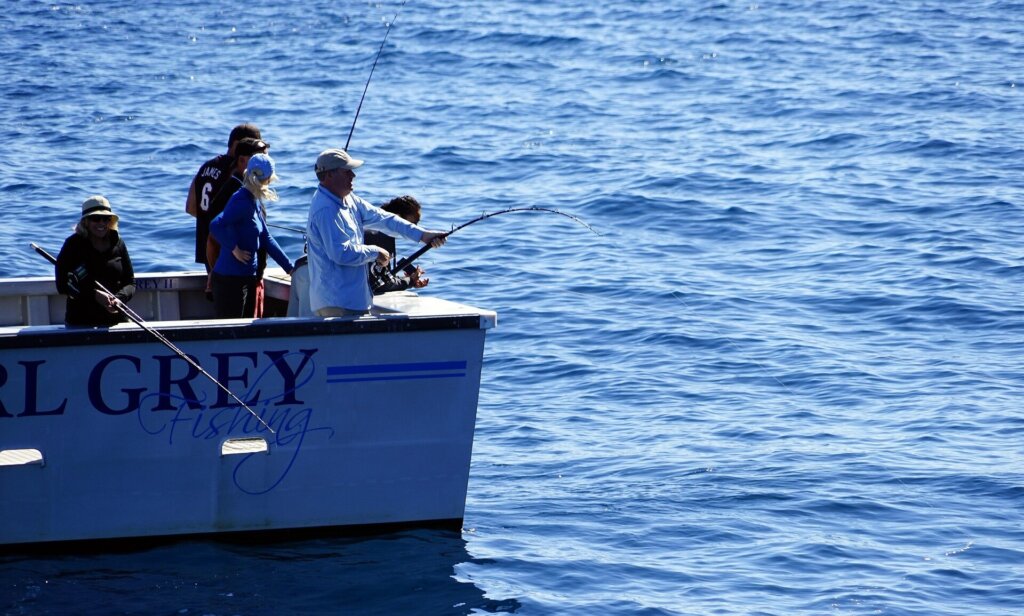
What Makes a Fishing Charter Suitable for Families and Beginners?
Flagler Beach Fishing Charters is a planning resource, not a charter operator. We don’t own boats, employ captains, provide equipment or confirm reservations. Learn how the process works. Bookings, prices, safety practices and policies are handled by the independent operator or booking provider.
No single charter suits every family. These are the qualities worth investigating before you book:
- Clear communication before booking. Does the operator answer questions about ages, needs and conditions directly?
- Instruction that fits your group. Will the captain teach basics like holding the rod and reeling, and adjust for children?
- Realistic expectations. Good operators explain what’s possible on your dates without promising fish.
- A manageable trip length. Most local listings checked start at 4 hours, so consider whether that suits your youngest or least patient guest.
- Suitable equipment. Are rods sized for children? Are life jackets available in the right sizes?
- Seating and comfort. Is there shade, a place to sit and somewhere to store bags?
- Chances to participate. Will kids get to reel in fish themselves?
- Flexibility, where actually offered. Ask what happens if a child needs to return early or the weather changes.
Quick Questions to Ask
☐ Does this trip accept children of our ages?
☐ How many people does the price include?
☐ Are child-sized life jackets available?
☐ Is there shade and a restroom?
☐ Will the captain teach beginners?
☐ What happens if someone wants to stop early?
Choosing the Right Trip for Your Group
Every group is different. The table below suggests what to discuss, not rules about who can go.
| Group | Priorities to discuss | Questions to ask | Possible tradeoffs |
| Families with younger children | Age policy, life-jacket fit, shade, restrooms, trip length | Is there a minimum age? Are child life jackets available? | Shorter trips may not be offered; small boats may lack restrooms |
| Families with older children or teens | Hands-on fishing, learning techniques, target species | Will teens be able to cast and reel themselves? | Teens may want more action than a slow day delivers |
| Adults who have never fished | Instruction, simple methods, realistic expectations | Will you show us the basics? Is bait fishing an option? | Lure or fly fishing may be harder at first |
| Mixed-experience groups | Balancing beginners and keen anglers | Can the captain help beginners while others fish independently? | One group’s preferences may shape the day |
| Multigenerational groups | Boarding, seating, sun, pace | How do we board? Is there seating with back support? | Some small boats are hard to board or move around on |
| Guests with mobility, sensory or other needs | Boarding, movement on board, noise, accommodations | Can you accommodate our specific needs? | Several local listings say they aren’t suited for guests with disabilities |
Inshore vs. Nearshore Fishing for Families
Two Different Settings
Inshore trips fish the tidal, sheltered water behind the barrier island: the Intracoastal Waterway, marsh creeks and nearby rivers. Inshore doesn’t mean freshwater. Most of this water is salty or brackish, a mix of fresh and salt water (NOAA).
Nearshore trips go out through an inlet into the Atlantic, generally within sight of land. Operators define the term differently, so ask what a specific trip involves.
How They Compare for Families
- Exposure: Inshore water is usually more sheltered, but it isn’t always calm. Wind and boat wakes can make it choppy. Nearshore trips are more exposed to swells.
- Transit: Flagler Beach has no ocean inlet. Nearshore boats typically depart closer to Matanzas Inlet or Ponce Inlet and must run through the inlet before fishing.
- Methods: Local inshore listings describe light tackle, live bait and lures near marsh edges and structure.
- Species: Inshore listings commonly name redfish, black drum, seatrout and sheepshead. Nearshore listings name species such as sharks, tarpon and bonito.
- Comfort: Many families start inshore, but nearshore trips aren’t automatically unsuitable for children. Ask about conditions, transit time and amenities.
For a full comparison, see inshore vs. nearshore comparison. To learn about different inshore styles, read flats vs. backwater fishing in Florida.
How Long Should Your First Fishing Trip Be?
What Local Listings Offer
Among the local listings checked (October 28–29, 2026), the shortest private trips were 4 hours, with 6- and 8-hour options from some operators. No shorter trips were found in this sample. Ask operators directly if a shorter outing is possible.
What to Consider
- Attention span: Four hours is a long time for some young children, especially if the fishing is slow.
- Heat and sun: Midday sun can be intense. Children’s Hospital of Philadelphia notes UV rays are strongest from 10 a.m. to 4 p.m. (CHOP).
- Motion sensitivity: Longer trips mean more time on the water.
- Travel to the departure point: Add driving time to Palm Coast, Ormond Beach or an inlet if the boat doesn’t depart near your accommodation.
- Bathroom needs: Several small inshore boats in local listings have no restroom on board.
- Transit vs. fishing time: Advertised trip length may include running to and from fishing spots. Ask how the operator counts the time.
- Energy and interest: A shorter trip that ends while everyone is still having fun can be better than a long one that drags.
What Happens on a Beginner Fishing Charter?
Every operator works differently. The sequence below is a typical illustration, not a promise of any operator’s itinerary.
1. Arrive at the confirmed meeting point. Confirm the exact address and arrival time in advance.
2. Meet the captain and receive instructions. Expect a brief introduction and a plan for the day.
3. Review safety information. The captain may explain where life jackets are and how to move safely around the boat.
4. Travel to the fishing area. This may take a few minutes or longer, depending on the route.
5. Learn basic equipment use. Beginners are often shown how to hold the rod, open the reel and wind in line.
6. Fish and receive guidance. The captain may bait hooks, help with casting and coach you when a fish bites.
7. Return to the dock. Some operators clean fish you keep; ask in advance.
Plain-Language Answers for Beginners
Will someone show us how to use the equipment? Many beginner trips include instruction, but confirm it.
Do we need to cast? Not always. On some bait-fishing trips, the captain may cast for you or set lines.
Who handles hooks and bait? Often the captain, especially with children. Ask if your group prefers not to touch bait.
Can someone watch rather than fish? Often yes, but non-fishing guests may count toward the passenger limit. Ask.
What if we don’t catch anything? That can happen on any trip. Ask about the operator’s approach to slow days, and plan to enjoy the scenery and wildlife either way.
Questions Parents Should Ask Before Booking
☐ Does the operator accept children of these ages?
☐ Do children count toward the passenger limit?
☐ Are life jackets available that fit each child?
☐ What is the operator’s policy on wearing them?
☐ What seating, shade and restroom facilities are available?
☐ Is there space for bags or necessary supplies?
☐ Can the crew accommodate our stated needs?
☐ What weather conditions might change the trip?
☐ Is a shorter or more sheltered alternative offered?
☐ What is included in the total price?
Life Jackets: Know the Rule and Check the Fit
Florida’s boating rules require children under 6 to wear a U.S. Coast Guard–approved life jacket while underway on a vessel under 26 feet, according to the state’s boater education material (Boat Ed Florida study guide). “Underway” means the vessel isn’t anchored, moored, docked or aground. Federal rules can differ in federal waters, and for-hire vessels may have additional requirements, so an operator’s own policy may be stricter. Check current rules with the Florida Fish and Wildlife Conservation Commission and ask the operator.
Fit matters as much as the rule. Sea Tow recommends checking that the jacket is Coast Guard approved, that your child’s weight and chest size fall within the label’s range, and that the jacket doesn’t ride up over the chin when tugged from behind. If you bring your child’s own life jacket, ask the operator whether that’s acceptable.
What to Bring—and What to Confirm Is Provided
Packing Checklist
☐ Layers and a light rain jacket
☐ Brimmed hat and sunglasses
☐ Broad-spectrum sunscreen of SPF 15 or higher, reapplied at least every two hours (CHOP)
☐ Light long-sleeved shirts for sun protection
☐ Drinking water and snacks (several local listings ask guests to bring their own)
☐ Non-slip, closed-toe shoes
☐ Any personal medications
☐ A waterproof bag or case for phones and keys
☐ Child-specific supplies you’ve agreed with the operator
Confirm Before You Pack
Every boat is different. Ask what’s provided, whether food and drinks are allowed, whether glass is banned (one local listing allows beer but no glass) and how much storage space there is. Don’t assume every boat supplies drinks, towels, fishing gear, licenses or fish cleaning.
Comfort, Seasickness, and Accessibility
Motion Sensitivity
Even sheltered water can rock a small boat. If anyone in your group is prone to motion sickness, tell the operator and ask about likely conditions. The CDC suggests focusing on the horizon. Talk with a pharmacist or healthcare provider before using any motion-sickness medication, especially for children. No trip type guarantees prevention.
Sun and Heat
Plan for shade, water and sun protection, and consider an earlier trip time in warm months.
Restrooms
Several small inshore boats in local listings have no restroom. Ask before booking and plan accordingly.
Boarding, Seating and Movement
Small boats can be hard to board from a dock or ramp, and space on deck can be tight. Ask how boarding works and where guests sit.
Sensory Needs
Engines, wind and the commotion of a hooked fish can be loud. If a family member has sensory needs, ask about noise, crowding and opportunities for breaks.
Communicate Clearly
Don’t assume accessibility from a photo or a listing label. Describe your needs clearly in writing and ask for a direct answer.
What Fish Might Your Family Encounter?
Inshore listings near Flagler Beach commonly name redfish (red drum), black drum, spotted seatrout, sheepshead and flounder. These species are documented in the Tomoka River fish survey reported by Tomoka State Park.
Keep in mind:
- Targets change with habitat, season, conditions and operator.
- A target is not a guaranteed catch. No listing can promise fish.
- Identification can be part of the fun. Kids can learn to spot a redfish’s tail spot or a sheepshead’s stripes.
- Keep-or-release decisions depend on current rules and the operator’s lawful practices. Check FWC saltwater regulations.
Some local trips also target larger, harder-fighting species such as tarpon or sharks. Those aren’t automatically ideal for children, so discuss what’s realistic for your group.
To learn what local fish eat and where they live, read What Do River Fish Eat Around Flagler Beach? Our redfish guide covers that species in depth
How Much Do Family Fishing Charters Cost?
Per Boat vs. Per Person
Most private charters charge one price for the boat, covering a set number of people. Some add a fee for each extra person. Shared trips usually charge per person.
Examples From Local Listings
These advertised examples were checked October 28–29, 2026, on booking platforms. They are not quotes; confirm current details with the operator.
| Operator and trip | Duration | Advertised price | Pricing basis and passengers | Departure area |
| Capt. Kevin, Family Fishing Adventures (Captain Experiences) | 4 hrs | $550 | 1–2 people; +$50 each, up to 6 | Palm Coast |
| Capt. Billy, Fantastic Flagler Beach Inshore (Captain Experiences) | 4 hrs | From $399 | $399 for 1 up to $549 for 4 | Flagler Beach |
| Flagler Fishing Charters, Half Day (FishingBooker) | 4 hrs | $400 | Entire boat, up to 3; ages 5+ | Flagler Beach (listing) |
Children’s Rates
None of these listings showed separate child rates. Assume each child counts as a passenger unless the operator says otherwise.
Other Costs
Ask about taxes, booking fees and card surcharges. The Captain Experiences listings recommend a 20% cash tip for the guide. Check inclusions such as bait, tackle, license coverage and fish cleaning.
Small Details Families Often Overlook
These vary by operator, so treat them as questions to confirm:
- Is transit part of the advertised trip length? Running to fishing spots can take part of a 4-hour trip.
- How far is the boarding location from where you’re staying? A trip marketed to Flagler Beach visitors may board in Palm Coast, Ormond Beach or another community. See our Palm Coast and Ormond Beach pages.
- Does a non-fishing guest count toward capacity? Usually everyone on board counts, but ask.
- Where can a child sit when not fishing? Ask about shaded seating.
- What if one person wants to return early? Returning may end the trip for everyone. Ask about the operator’s approach.
- Does everyone need to arrive together? Most boats leave at a set time.
- Is fish cleaning available, and how will you transport any fish you keep? Bring a cooler with ice if you plan to keep fish and your accommodation allows cleaning.
How to Compare Family-Friendly Charter Listings
Look for:
- Detailed trip descriptions that explain where and how the trip fishes.
- Actual departure information, not just a city name.
- Clear capacity and age policies.
- Current inclusions, such as bait, tackle, license, water and cleaning.
- Relevant, attributable reviews of the captain or operator. Reviews of this planning website are not reviews of a charter.
- Transparent pricing, including extra-person fees.
- Weather and cancellation terms.
An attractive photograph doesn’t prove a boat suits your family. Ask questions until you’re confident.
Trips to Compare
The listings below were checked October 28–29, 2026. Each describes its own offering; confirm suitability, policies and availability with the operator or booking provider.
Disclosure: We may earn a commission if you book through links on this page. The third-party booking provider or operator handles booking and applicable policies.
- Capt. Kevin — Family Fishing Adventures (Captain Experiences): 4-hour inshore trip departing Palm Coast for up to 6 people; lists redfish, black drum, trout and sheepshead. The listing notes no restroom on board and says the trip isn’t suited for guests with disabilities. View the operator’s trip details
- Flagler Fishing Charters — Half Day Trip (FishingBooker): 4-hour trip for up to 3 people, ages 5 and up; includes bait, tackle, license, water and fish cleaning. View the operator’s trip details
- Capt. Billy — Fantastic Flagler Beach Inshore (Captain Experiences): 4-, 6- or 8-hour inshore trip for up to 4 people. The listing notes no restroom on board. View the operator’s trip details
Questions to Send Before Booking
You can also contact us if you’d like help understanding your options.
Frequently Asked Questions
Can beginners book a fishing charter near Flagler Beach?
Yes. Many local listings supply equipment and welcome beginners. Tell the captain your experience level.
What age can children join a charter?
It depends on the operator. One local listing accepts ages 5 and up; others don’t state a minimum. Ask.
Do we need our own fishing equipment?
Usually not. Local listings checked include rods, reels and tackle, but confirm.
Is inshore fishing always better for families?
No. It’s often more sheltered, but the right choice depends on your group, the boat and conditions.
Can someone come along without fishing?
Often, but they may count toward the passenger limit. Ask the operator.
Do children count toward the passenger limit?
Generally assume yes. Confirm with the operator.
Are restrooms and shade available?
It varies. Several small inshore boats in local listings have no restroom. Ask before booking.
What if someone feels seasick or wants to return early?
Ask the operator’s policy in advance. Returning early may end the trip for the whole group.
Will the captain help us learn?
Many beginner trips include instruction, but confirm how hands-on the captain will be.
What happens if weather affects the trip?
The captain makes safety decisions. Policies on rescheduling, credit and refunds vary, so get them in writing.
Choosing Your First Trip
The right first charter matches your group’s ages, comfort, interests and budget, not just a “family-friendly” label. Ask clear questions, confirm the details in writing and set expectations around the experience rather than the catch.
When you’re ready, compare family-friendly trip options and check availability with the booking provider.
Contact Us
We would love to hear from you! Please fill out this form and we will get in touch with you shortly.