Friendly help finding Ormond Beach fishing charters that fit your group
Tell us about your trip and hear back fast. We’re local, responsive, and focused on matching you with Ormond Beach fishing charters that fit your group and budget.
Ormond Beach Fishing Charters: Local Waters and Trip Planning
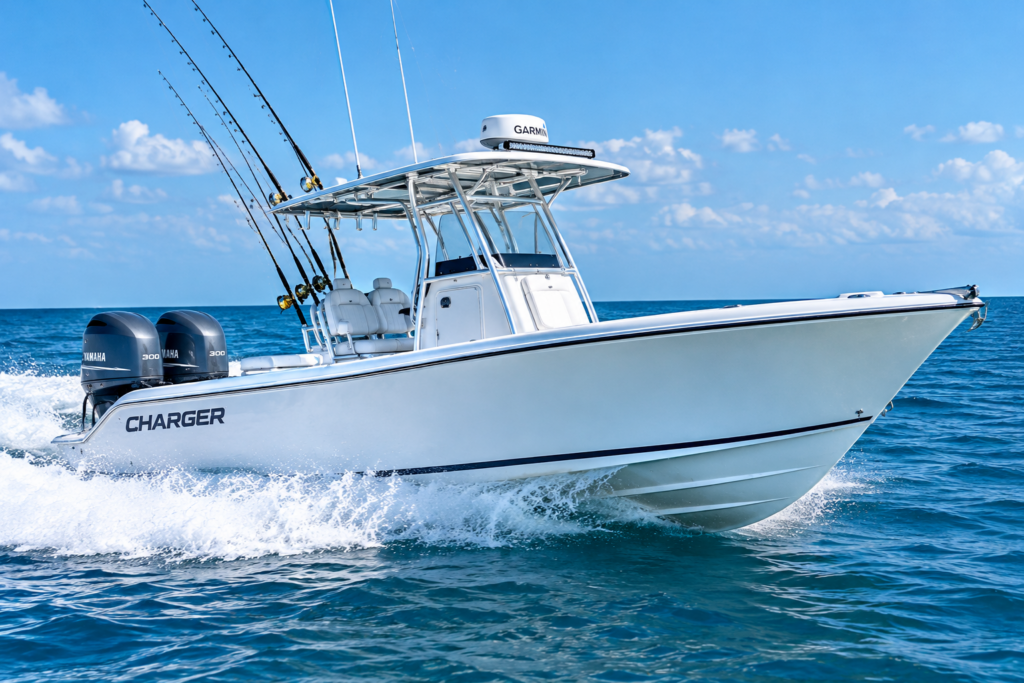
If you’re staying in Ormond Beach and want to spend part of your trip on the water, start by deciding what kind of water you want to fish. The Halifax River and the Tomoka River give you protected inshore settings close to town. An ocean trip is a different kind of outing, better for groups who specifically want time offshore. Each choice shapes the length of the trip, how comfortable it will be, what you might catch, and what you should ask before booking.
Flagler Beach Fishing Charters is a planning resource based in Flagler Beach. We help visitors and residents compare trip types, prepare useful questions, and connect with charter providers. We don’t operate boats. The captain or operator you choose confirms where you’ll meet, availability, pricing, what’s included, and the booking terms. You can read more about how our fishing-trip planning resource works.
Understand the waters around Ormond Beach
“Fishing near Ormond Beach” can mean quite different places, and those differences matter when you compare trips.
The Halifax River separates the mainland side of Ormond Beach from the barrier island, where much of the beachside lodging is. Despite the name, it behaves less like a typical inland river and more like a tidal lagoon. It is part of the Intracoastal Waterway, and its water levels and currents move with the tide. Grass edges, docks, bridges, oyster bars, and shallow shorelines all give fish places to feed and shelter. That’s why inshore captains pay attention to where they fish on the Halifax and when.
The Tomoka River is a separate waterway with its own character, so it shouldn’t be treated as another name for the Halifax. Part of its shoreline is protected within Tomoka State Park, and the park’s official page lists canoeing, boating, and fishing among the activities on its waters. The park also protects wildlife habitat, including areas used by West Indian manatees. That’s a good reminder that these waters are shared and that boats need to move through them with care. You can review Tomoka State Park boating and fishing information for the park’s current details, including its boat ramp to the river.
Fishing the rivers is a different experience from fishing the ocean. An inshore outing on the Halifax or Tomoka usually stays in sheltered, relatively shallow water with land close by. An ocean trip goes out into the open Atlantic, where wind and swell have much more effect on comfort and on whether the trip goes ahead. Ormond Beach doesn’t have its own ocean inlet, so ocean trips that serve the area may run out of an inlet elsewhere on the coast.
One more point to keep in mind is that the fishing area and the departure location are separate details. A trip that fishes Ormond Beach waters might start somewhere else, and a trip advertised as serving Ormond Beach might fish a different part of the coast. Ask about both.
Choose a trip that fits your group
Most people narrowing down a local trip choose from three broad styles.
Inshore trips suit people who want river scenery, shorter runs, and protected water. They usually work well for mixed-experience groups and for anglers interested in sight fishing or working shorelines. Protected water doesn’t guarantee flat conditions, though. Wind can still make the rivers choppy, and summer storms can build quickly.
Nearshore or offshore trips suit groups who specifically want to fish the ocean. Ask how far the boat usually runs, how conditions affect the plan, and whether anyone in your group is prone to seasickness.
Instruction-focused trips suit anglers who care more about learning than about the size of the catch, such as how to cast, how to read the water, or how to fish lures well. If that’s your goal, our article on artificial-lure fishing trips around Ormond Beach covers technique-driven trips in more depth. If you’re unsure which shallow-water style fits you, read about the differences between flats and backwater fishing.
| Trip preference | What to discuss | What to confirm |
| Inshore river trip | Areas the captain is likely to fish, wind exposure, comfort for younger or first-time anglers | Meeting location, trip length, shade, restroom plan |
| Nearshore or offshore trip | Expected run time, sea conditions, seasickness concerns, target species | Departure inlet or dock, weather cutoffs, cancellation terms |
| Instruction-focused trip | Skill level, preferred techniques, whether lures or bait will be used | Equipment provided, group size limits, how much teaching is included |
What might you target?
The inshore waters of this part of Florida’s coast are commonly associated with redfish, spotted seatrout, black drum, flounder, and snook. These are possibilities, not promises. What’s realistic on your trip depends on habitat, water temperature, tide, recent weather, and how the captain is currently fishing.
It helps to give a captain a preference rather than a fixed demand. “We’d love a shot at redfish, but we mostly want steady action for the kids” is easier to plan around than “we have to catch a snook.” The captain can then choose areas and methods that suit your group.
If one species matters most to you, read our regional redfish fishing guide for more detail on how they’re fished. For background on why fish gather where they do, see our explanation of what fish eat in local tidal waterways.
Planning around tides, weather, and your schedule
There’s no single “best time” to fish Ormond Beach that works on every day. Tides on the Halifax affect water depth, current, and where fish move to feed. A start time that works well one week may be a poor fit the next. Instead of assuming early morning is always the right choice, ask the captain how they plan to time your trip and why.
If you want to look at the timing yourself, NOAA’s Ormond Beach tide information comes from a station on the Halifax River listed as Ormond Beach. It’s a more local reference than a general tide app. Use it to have a better conversation with the captain, not to second-guess their experience on the water.
Weather deserves the same attention. Wind direction and strength affect both river and ocean trips, and Florida thunderstorms can develop quickly, especially in warmer months. Before booking, ask:
- Who decides whether a trip goes ahead in marginal weather?
- How much notice will you get if the trip is cancelled or moved?
- Can the trip be rescheduled, and what happens to a deposit if it can’t?
- Can the trip be shortened or moved to more sheltered water if conditions change?
Plan around your own schedule too. Avoid booking a trip right before a flight or a fixed dinner reservation in case the weather forces a change.
Where will your charter actually depart?
This is the detail people most often assume on a location page and shouldn’t. A charter that serves Ormond Beach meets wherever the operator says. That could be a marina, a private dock, or a launch site in Ormond Beach or another nearby community. The town where you’re staying doesn’t tell you where the boat leaves from.
Once you’ve chosen an operator, ask them to confirm in writing:
- The exact meeting address, not just a town or general area.
- Arrival time, and how early you should get there before departure.
- Parking arrangements, including any fees or time limits.
- Restroom availability at the meeting point.
- Boarding considerations, such as steps, ladders, or floating docks, especially for children, older relatives, or anyone with limited mobility.
- Expected return time, so you can plan the rest of your day.
If anything is unclear the day before, ask the operator again rather than relying on a map pin.
Local resources for planning time by the water
Two official local resources are worth knowing about, whether or not you book a charter.
Tomoka State Park boating and fishing information is the place to check current park details before an independent visit. Its official page covers the park’s water activities, its boat ramp to the river, and the wildlife habitat it protects.
Sanchez Park facilities and fishing access describes a city park at 329 Sanchez Avenue, beside the Tomoka River. The city lists a boat ramp, a fishing dock, parking, picnic facilities, a playground, and restrooms. That makes it a practical option for families who want a relaxed shore-fishing outing or an afternoon by the river.
Keep a park visit and a guided charter separate in your plans. A public boat ramp doesn’t mean a charter departs from there, and it doesn’t mean commercial pickup is allowed there. Your operator will tell you where to meet. If you fish from shore on your own, check whether you need a recreational fishing license for that activity.
Questions to ask before choosing a charter
Two trips can look similar on paper and turn out very differently. Treat each item below as a question for the operator, not as something every trip includes.
- Total price and passenger allowance: What’s the full cost, how many people does it cover, and are there extra charges?
- Trip duration: How long is the trip, and does that include travel time to the fishing area?
- Equipment and bait: Are rods, tackle, and bait provided, or should you bring anything?
- Comfort: Is there shade and seating? What’s the restroom situation on board or nearby?
- Children: Is the trip suitable for your children’s ages? Are properly sized life jackets available, or should you bring your own?
- Instruction: Will the captain help beginners with casting, hooking, and landing fish?
- Weather and cancellation: What are the terms if the weather turns or your plans change?
- License coverage: Does the operator’s license cover passengers’ fishing for this trip?
- Harvest and fish cleaning: Will you be able to keep any legal fish? If so, is fish cleaning offered, and is there a charge?
Groups with young children should also read our family fishing trip planning guide. For a sense of what drives charter pricing, see our regional fishing charter cost guide. Its examples are general and aren’t quotes for an Ormond Beach trip. For broader advice on evaluating operators, our guide to comparing fishing charter options goes further.
Ormond Beach fishing trip FAQs
Do fishing charters serving Ormond Beach always depart in Ormond Beach?
No. “Serving Ormond Beach” describes the area an operator covers, not necessarily where the boat leaves from. The meeting point may be in Ormond Beach or in another nearby community, depending on the operator and the type of trip. Always get the exact address from the operator.
What is the difference between a Halifax River trip and an offshore trip?
A Halifax River trip stays in protected, tidal inshore water, usually with shorter runs and calmer conditions than the ocean, though wind can still make it choppy. An offshore trip goes into the open Atlantic, depends more on sea conditions, and often targets different species. Your group’s comfort on the water and your goals should guide the choice.
Can beginners or children join a local fishing trip?
Often, yes. Inshore trips in particular can suit first-time anglers and families. Suitability still depends on the operator, the trip length, and your children’s ages. Ask whether the captain gives hands-on help and how life jackets are provided for younger passengers.
Do passengers need a separate Florida saltwater fishing license?
Customers fishing under an appropriate Florida charter captain or charter boat license generally don’t need their own recreational saltwater license for that covered trip. Confirm with your operator that their license covers your outing, and review the FWC charter-license requirements if you want the official explanation. That coverage doesn’t extend to separate shore fishing or freshwater fishing you do on your own.
Can we keep the fish we catch?
Sometimes. What you can keep depends on the species, size and bag limits, seasons, and the captain’s own policy. Rules can change, so check the current Florida saltwater fishing regulations for your trip date, and ask the operator what they allow and whether they clean fish.
What information should we provide when requesting planning help?
Share your preferred dates, the number of people in your group, the ages of any children, and whether you’d like an inshore, ocean, or instruction-focused trip. Mention any comfort needs, such as shade, restroom access, mobility concerns, or a history of seasickness, and the length of trip you have in mind.
Get help planning your Ormond Beach fishing trip
If you’d like help narrowing down your options, tell us a little about your trip. Useful details include your dates, group size, children’s ages if any are coming, the trip style you prefer, and any comfort needs. We’ll help you work out what to ask and connect you with providers. The operator you choose will confirm availability, pricing, the meeting location, and booking terms.
Call (386) 230-4880 to request planning help.
Areas We Serve Near Ormond Beach
We’re proud to help people find Ormond Beach fishing charters and nearby options throughout Florida, including Ormond-by-the-Sea and communities along the Halifax River.
Contact Us
We would love to hear from you! Please fill out this form and we will get in touch with you shortly.