Blog

  • Half Day vs Full Day Fishing Charters Near Flagler Beach

    If fishing is one part of a Flagler Beach vacation, a half-day charter can leave room for other plans, while a full-day charter suits a group making fishing the main event. Your choice depends on your group’s schedule, comfort, fishing goals, and intended water. Lines-in time means the portion of a trip when fishing lines are in the water.

    Families may value a manageable outing, while experienced anglers might want more time to explore. Travel plans, the group’s energy, and the captain’s fishing plan all affect how the day feels. The sections below cover timing, costs, fishing styles, conditions, booking details, and rules for keeping fish.

    half day vs full day fishing charters

    Key Takeaways

    • Choose a half-day charter when your schedule leaves room for only a shorter outing.
    • Consider a full-day charter when fishing is the main event.
    • Compare the specific trip length, not just its half-day or full-day label.
    • Ask what gear, bait, licenses, and other services the price includes.
    • Match the planned water and fishing style to your group’s goals.
    • Confirm group capacity, departure time, and meeting details before travel.

    Choose the trip around the kind of day your group wants, not simply the longest block of time.

    Half Day vs Full Day Fishing Charters: Which Option Fits Your Goals?

    Near Flagler Beach, a half-day charter typically falls within 3-5 hours, while a full-day charter starts at 6 hours. Those ranges describe local trip categories, not one fixed schedule for every boat. A four-hour trip may fit between other vacation plans, while a longer booking gives your group more room to make fishing the day’s focus.

    Ridin Dirty Charters lists a four-hour nearshore trip for up to four anglers. Fishing gear, bait, and licenses are included with that specific option. Its duration is a useful local example, but it does not set the length of every half-day trip in the area.

    A half-day label is a category, not a promise of one exact duration.

    For your group, hours matter alongside the trip’s purpose. A shorter trip may work well if you want a first taste of fishing or plan other activities the same day. A full-day charter can suit anglers who want to devote more of the day to the water.

    Check the listed duration for the specific trip you are considering, since the trip label alone does not tell you its exact length.

    What Do Flagler Beach Charter Prices Include?

    Flagler Beach listings average $895 for a half-day charter and $1,797 for a full-day charter, so the longer option carries a higher listed average. Use those averages as comparison points, not quotes for an individual trip. A specific boat, itinerary, and included services can affect what you pay.

    How the listed price range compares

    Prices across Flagler Beach charter listings range from about $500 to $2,650. That broad span makes the package details important: a lower figure may not include the same supplies or services as another listing. Compare trips with similar lengths and plans before treating one price as the better value.

    Charter listingPriceHow to read it
    Half-day average$895Average listed half-day price
    Full-day average$1,797Average listed full-day price
    Overall listed rangeAbout $500-$2,650Range across Flagler Beach charter listings

    An average can help you set a rough budget, but it does not guarantee an individual booking will match that number. A boat’s services and trip plan can make two listings with similar labels different in practice. Read the inclusions before comparing the final cost for your party.

    Which gear and services may be bundled

    Captain Kicen’s charters include a fishing license, rods, reels, tackle, live bait, bottled water, ice, and fish cleaning. That package can reduce the supplies you need to arrange separately. Do not assume another trip includes the same items. Ask about bait, tackle, water, licenses, and fish cleaning for the specific charter you book.

    Confirm whether the listed price covers the services your group expects, including any needed fishing gear. Some details may be specific to one captain or trip type. Compare what is bundled alongside the price, especially bait, tackle, water, and fish cleaning.

    How Much of the Booked Time Is Spent Fishing?

    A charter’s booked hours cover more than the time your group spends with lines in the water. Lines-in time depends partly on the run to the fishing area and the moves between spots. The captain also needs time to reach the water, prepare, and return to the dock.

    • Travel to the fishing area takes time before the first cast.
    • Setup and getting lines ready happen before fishing begins.
    • Moving between spots can interrupt fishing while the boat relocates.
    • Returning to the dock is part of the booked outing.

    Those parts take up a larger share of a shorter outing. A distant fishing area or several location changes can reduce the portion spent with lines in the water. The captain’s plan and the day’s conditions shape how much fishing time remains.

    A longer trip leaves more room to adjust if the bite is slow or conditions change. That extra flexibility does not guarantee more catches; it gives the captain additional time to work with the day’s plan. Ask which fishing areas the captain expects to reach within your chosen trip length.

    Your group can get a clearer picture by discussing the route before booking. Ask whether the intended area is close to the launch point or requires a longer run. That answer helps you set expectations for how the booked time may be divided.

    Which Flagler Beach Fishing Style Matches Your Target Species?

    Start with the type of water and fish you want, because Flagler Beach charters offer distinct inshore, nearshore, night, and offshore approaches. Your target can help narrow the fishing trips that fit your goals. The captain can discuss which trip style suits the fish you hope to catch.
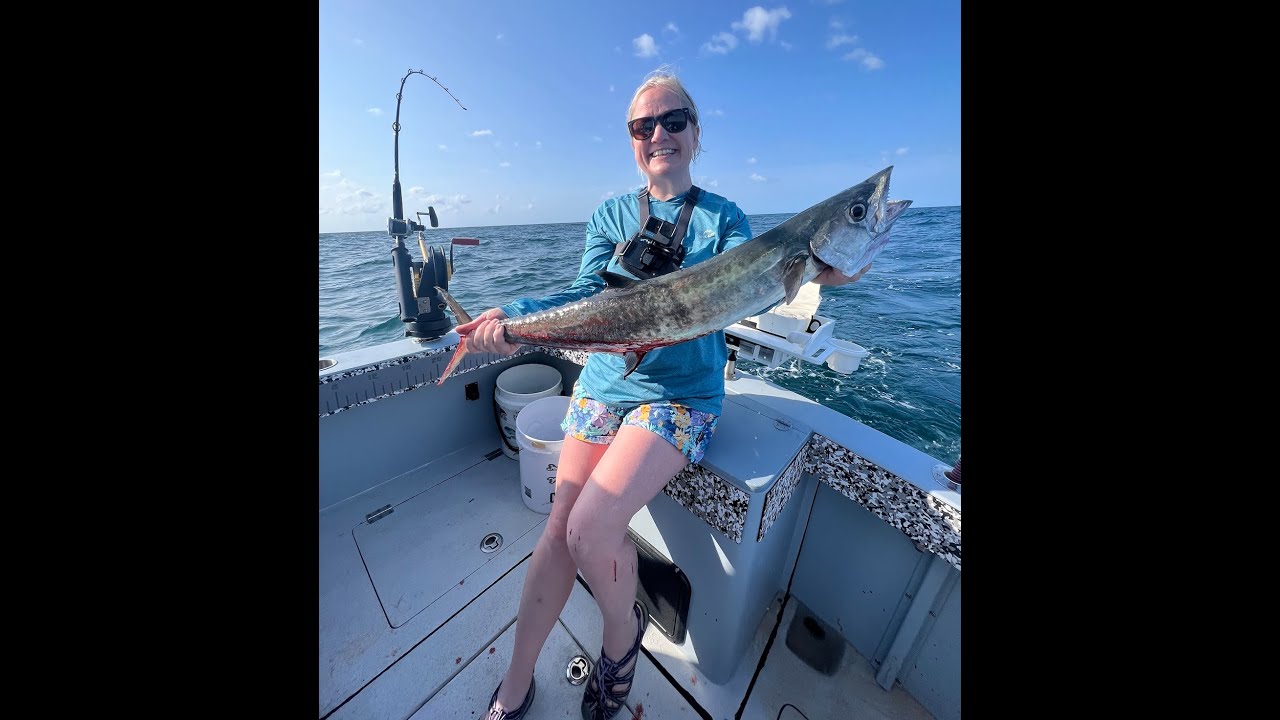
    Half Day Charter Fishing aboard the Reel Freedom

    Inshore trips for mixed local targets

    Captain Kicen’s inshore trips target redfish, snook, trout, flounder, and sheepshead. Grand Slam Fishing offers Flagler Beach trips with Captain Caleb Blackburn, who specializes in light-tackle and fly fishing inshore waters, backwaters, and creeks. His Flagler-area targets include redfish, snook, tarpon, black drum, flounder, sea trout, and snapper.

    That range gives you more than one kind of inshore approach to discuss. Light tackle uses lighter fishing gear, while fly fishing relies on a specialized fly rod and line. Your experience and preferred way to fish can help guide the conversation with the captain.

    Nearshore reefs and wrecks

    Ridin Dirty Charters’ four-hour nearshore outing works reefs and wrecks for snapper, grouper, and cobia. This approach brings the boat away from inshore water without making an offshore target list the only focus. Ask how the intended reef or wreck fits your group’s preferred fishing style.

    Nearshore fishing can appeal when your target includes reef fish, but your plans still need to match the captain’s route. The actual location depends on the trip plan and conditions. The species listed for a charter describe targets, not a promise that you will catch them.

    Night and offshore options

    Captain Kicen’s night trips focus on snook and tarpon. They offer a different setting and schedule from daytime inshore fishing. Offshore trips target snapper, grouper, cobia, mahi, and other reef species, making the intended water a key part of your choice.

    Tell the captain whether you prefer an inshore outing, a reef and wreck trip, fishing after sunset, or offshore water. A target list is not a guarantee of a catch, since fishing conditions can shape what bites. Before booking, name your preferred target and ask whether the trip type fits that goal.

    Which Waters Can Each Trip Reach?

    Flagler Beach gives anglers a choice of inshore, river, flats, and nearshore water, while distance offshore affects which boundary applies. The planned water helps define the trip’s reach. Local options range from close-to-shore settings to areas farther out, with conditions and the captain’s plan shaping the actual route.

    Water or areaWhat it means for trip planningLocal example
    InshoreClose-to-shore fishing optionFlagler Beach inshore charters
    River and flatsDifferent local water settingsRiver and flats trips
    Intracoastal Waterway and nearby lagoonsSummer tarpon may be a targetSummer trips
    Nearshore and federal watersLonger runs can change the trip’s reachAtlantic state waters extend to 3 miles, with federal waters beyond

    Summer trips may target tarpon in the Intracoastal Waterway and nearby lagoons. Nearshore and federal-water targets include red snapper, cobia, amberjack, king mackerel, wahoo, and mahi mahi. These examples describe possible fishing areas, not a fixed itinerary for every departure.

    Atlantic state saltwater waters extend from shore to 3 miles, while waters beyond 3 miles are classed as federal waters. The boundary matters because distance offshore changes which waters a trip may enter. Your captain’s plan and the day’s conditions determine the area actually fished.

    A trip name alone does not tell you how far the boat will travel. Ask which water the planned trip is intended to fish, rather than assuming its reach from the trip label.

    Who Gets More From a Half-Day or Full-Day Outing?

    A shorter charter is usually the more manageable choice for a first outing or a group fitting fishing around other plans. Comfort comes first when some anglers are new, younger, or unsure about a longer boat trip. A full day can suit serious anglers and groups who want fishing to occupy most of the day.

    Family learning fishing basics during a Flagler Beach outing

    When a half-day keeps the outing manageable

    First-time anglers may appreciate a shorter introduction, especially when learning to handle fishing gear and follow boat instructions. Families with kids can weigh attention, energy, and other vacation plans. Travelers with limited time may also prefer an outing that leaves part of the day open.

    These are scenarios to consider, not rules for every person in a category. A child who enjoys a full day outdoors may be happier on a longer trip than an adult who gets uncomfortable on a boat. Talk through your group’s experience and stamina before choosing.

    • First-time anglers who want a manageable introduction.
    • Families with kids balancing fishing and other plans.
    • Travelers with limited vacation time.
    • Anglers prioritizing a longer fishing outing.

    When a full day better fits the goal

    A full day can make sense for serious anglers who want fishing to be the main event. More time can also give the captain flexibility to work through a slower bite or respond to changing conditions. That flexibility is useful, but it does not guarantee a catch or remove weather concerns.

    Groups with different comfort levels should consider the least experienced person, not only the most eager angler. A longer outing may feel rewarding to one person and tiring to another. If your group’s priorities are split, choose the duration that the least experienced or least comfortable angler can enjoy.

    How Do Tides and Departure Times Affect Your Schedule?

    The departure time can be as important to your vacation schedule as the number of hours you book. Some trips follow the tide, while others favor an early start or a sunset departure. Knowing the timing helps you plan meals, travel, and the rest of your day around the boat.

    Morning starts shaped by tides

    Captain Kicen’s inshore trips usually start early in the morning based on the tide. The tide influences the planned start for those outings, so you should not assume every inshore trip leaves at the same clock time. Offshore trips also start early in the morning.

    An early departure can affect how your group handles the night before and the drive to the meeting point. Build the start into your plans instead of treating the booked hours as the only scheduling detail. For travelers, a morning trip may shape the entire day’s activities.

    Weekend and sunset departures

    Captain Kicen’s night trips start around sunset, offering a departure that differs from morning fishing. Ridin Dirty Charters offers weekend nearshore departures at 7:00 AM and 12:00 PM. Those are specific options for that charter, not a universal schedule for Flagler Beach fishing trips.

    Departure choices can affect how easily a trip fits with family plans or travel. A midday start may leave a morning open, while a sunset departure changes the outing’s rhythm. The right time depends on the particular fishing plan and the rest of your schedule.

    Ask about the departure when you discuss a trip, especially if you need to coordinate transportation or plans afterward. Confirm the departure time when arranging your trip, especially if you are coordinating travel or other plans that day.

    What Happens When Ocean Conditions Change?

    A rough ocean does not always mean the day must follow the original offshore plan. A possible alternative is an inshore trip when the river remains fishable and the captain judges conditions suitable. Captain Kicen may switch an offshore trip to an inshore trip under those circumstances.

    Captain checks changing ocean conditions before a fishing trip

    The river’s condition matters to that option. If the river is not fishable, or the captain’s assessment does not support a change, an inshore outing may not be available. A switch depends on both a fishable river and the captain’s judgment.

    • What water does the original plan target?
    • What alternative is possible if the ocean is rough?
    • How will the captain confirm a change?

    Discuss these points before leaving so your group understands what might happen if conditions shift. A longer trip does not remove weather risk, and an alternate plan is not guaranteed. Ask about the captain’s decision process before departure so your group understands how a change would affect the outing.

    What Should You Confirm Before the Trip?

    Confirm your group’s headcount and final meeting details before you set out for the ramp. Capacity depends on the trip type, and the launch point can depend on where the captain plans to fish. A few clear checks can prevent confusion on the day of your outing.

    Group size and what is supplied

    Captain Kicen’s nearshore trips accommodate up to four anglers, while inshore and night trips accommodate up to six. Confirm the capacity for your specific booking. Do not assume a boat’s limit is the same across every trip type, especially if your party includes several anglers.

    Also ask which gear and supplies the captain provides for your outing. That detail helps you avoid packing unnecessary equipment or arriving without something your group needs. Make the booking plan clear for everyone joining the trip.

    • Confirm the booked trip type.
    • Verify your group’s headcount.
    • Ask what gear and supplies are provided.
    • Check the final meeting place and time.

    Meeting point and launch plan

    Captain Kicen launches from the ramp closest to that day’s fishing location. The exact launch point can therefore depend on the planned area, rather than remaining fixed for every trip. Captain Kicen confirms the meeting place and time the day before the outing.

    That final message gives your group a chance to align travel plans with the actual launch point. Share the information with everyone riding along, so no one heads to an outdated location. Recheck the agreed meeting place and time the day before the trip.

    What Fishing Rules Apply, and What Happens to Kept Fish?

    Keeping a fish depends on current bag, size, and seasonal rules, not just whether it was caught. Florida rules still apply to fish your group hopes to retain. Captain Kicen cleans and bags kept fish after the trip, but cleaning does not change which fish may legally be kept.

    CheckWhat it coversPractical action
    Bag limitsHow many fish may be keptCheck current rules for the location
    Size limitsWhich fish meet the legal sizeCheck the current rule before keeping a fish
    Seasonal closuresWhen a fishery is closedVerify current dates and restrictions
    Location-specific rulesRegulations can depend on where you fishUse the Fish Rules app with Location Services enabled

    Bag limits set how many fish you may keep, while size limits determine which fish meet legal requirements. Seasonal closures can prohibit keeping a species during certain dates. Rules can also depend on the fishing location, so use the Fish Rules app with Location Services enabled for location-specific regulations.

    The Florida Fish and Wildlife Conservation Commission issued its 2026 saltwater recreational fishing regulations publication in January 2026. The publication directs anglers to MyFWC.com for current regulations. Checking those rules matters because regulations can change and your trip’s location affects which guidance applies.

    Fish cleaning is a service after the trip, not permission to keep every fish you catch.

    Follow the captain’s guidance when deciding whether a fish may stay in the cooler. Your group remains responsible for knowing the current rules for the fishing location. Check the current rules for the trip’s location before fishing, then follow the captain’s guidance on kept fish.

    Conclusion

    For most groups balancing fishing with other plans, a half-day charter is the easier fit; anglers making fishing the day’s focus should consider a full day. Your choice should reflect the group’s stamina, experience, schedule, and preferred water, not just how much time the boat can offer.

    When you speak with a captain, share your group size, fishing experience, and preferred water. That gives the captain useful details for discussing a suitable trip plan. Contact a captain with your group’s needs and ask which trip length best fits your plans.

    FAQ

    Can I ask a captain to focus on a particular fish?

    Yes, share your target before booking so the captain can discuss a suitable trip style and the day’s conditions. The captain can explain whether the planned water and approach fit your goal. Fish are not guaranteed, even when a trip is built around a particular target. Clear expectations help your group choose a plan that makes sense.

    Are meals included on Flagler Beach charters?

    Do not assume a meal is part of a Flagler Beach charter booking. Food arrangements can differ between trips, and included drinks or ice do not necessarily mean a meal is supplied. Ask the captain what food, if any, comes with your specific trip. You can then plan what your group needs without relying on an assumption.

    Should I choose a half-day trip if someone in my group is unsure about being on a boat?

    A shorter outing may be easier to manage for someone uncertain about spending time on a boat. Comfort also depends on the planned water and the person’s experience, so discuss both with the captain before booking. Explain what concerns your group member, such as trip length or being offshore. The captain can talk through the intended outing without promising how that person will feel.

    Can we keep every fish we catch?

    No, bag limits, size limits, and seasonal closures can restrict which fish your group may keep. Rules depend on the fishery and the location, so check current regulations before the trip. The captain can help you understand what applies during the outing, but a fish must still meet legal requirements. Cleaning and bagging a fish does not override those rules.

    What should I do if our group is split between inshore and offshore fishing?

    Agree on a primary goal, then ask the captain which water and trip plan can accommodate it. A group may need to decide whether a shared fishing style matters more than one person’s preferred location. Discuss any alternate plan before booking, especially if conditions could affect the intended water. That conversation can reveal whether one outing suits everyone in the party.

    Can I bring my own rods or tackle?

    Yes, you can ask the captain whether personal rods or tackle are welcome on your specific trip. Some charters supply fishing gear, but that does not automatically mean personal equipment is prohibited or needed. Tell the captain what you plan to bring and ask what is already provided. This helps avoid packing duplicate gear or bringing equipment that does not fit the plan.
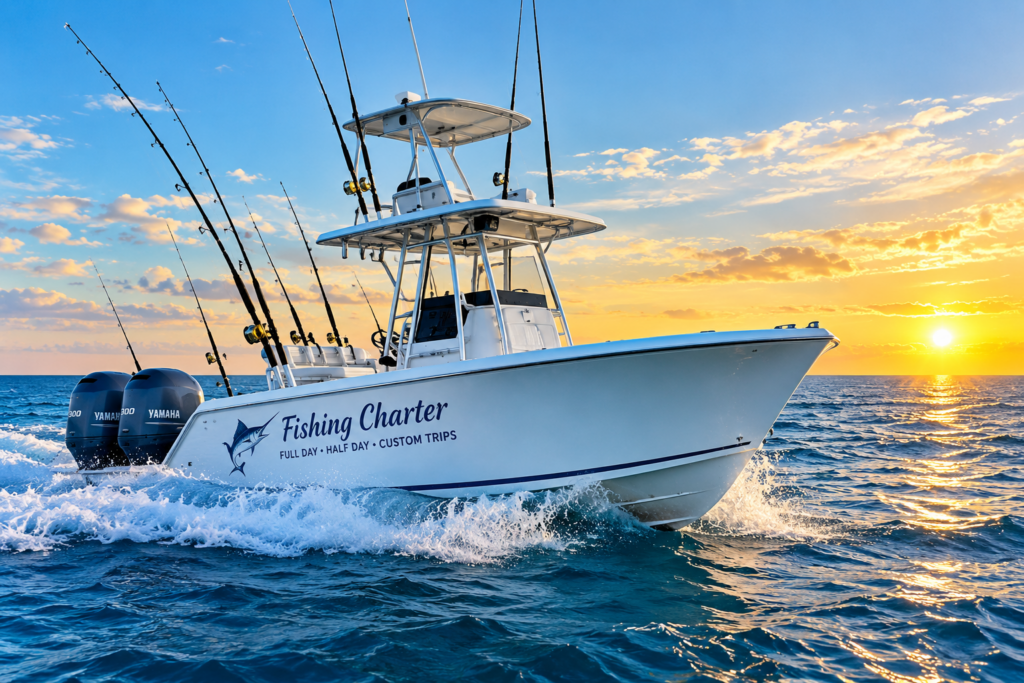
  • How Much Do Fishing Charters Cost in Flagler Beach

    A fishing day in Flagler Beach can mean a guided boat trip, a quiet stretch of beach or a cast into protected coastal waters. How much do fishing charters cost in Flagler Beach depends on the outing you choose, your group size and the experience you want. Inshore fishing means fishing in protected coastal waters such as rivers, creeks and estuaries close to shore. As an East Coast destination, Flagler Beach offers options for a family outing or a more focused fishing adventure. You can book a guided boat trip or fish from shore at your own pace. This guide helps you compare local choices and plan a day that fits your group, without treating every trip as the same experience. Your best starting point is the kind of fishing day you want, then the group size and budget you need to fit.

    Fishing Charter

    Key Takeaways

    • Charter costs depend on trip length, fishing style and group size.
    • Flagler Beach offers guided boat trips and shore fishing.
    • Inshore fishing takes place in protected waters close to shore.
    • Match the outing to your group’s time, comfort and budget.
    • Confirm trip details with the captain before booking.

    How Much Do Fishing Charters Cost in Flagler Beach?

    Local charter listings span about $500-$2,650, with specific smaller-boat offers starting below that broad range. Those figures serve different purposes: listing averages help with budgeting, while individual offers show a particular boat or trip’s starting price.

    The average half-day trip costs $895, and the average full-day trip costs $1,797. A specific 21-foot boat listing starts at $399, below the broader listing range. Palm Coast fishing charters include options such as a listed family trip starting at $550 for 1-6 people.

    Local charter rates at a glance

    Listing typeStarting priceCapacity
    21-foot boat$3991-4 people
    Palm Coast family boat$5501-6 people
    Inshore trip$5001-2 people
    Inshore and nearshore trip$7001-2 people

    The listed starting prices describe different boats and trip types, not one standard local rate. For Flagler Beach fishing, compare what fits your group rather than assuming a lower starting figure covers the same outing.

    What changes the total price

    A larger group can change the quote, especially when the boat has a set passenger limit. Longer runs, fishing style and included gear can also affect what you pay. Beach fishing charters are not the only option, so compare the boat and plan against your preferred kind of day.

    Treat listing averages as planning benchmarks, not a promise that every boat charges the same rate.

    Ask for the full price and a clear list of what it covers. A low starting figure may describe a smaller group or a specific trip setup. Compare the price for your whole group, not just the starting figure.

    What affects the length and cost of a fishing trip?

    Most Flagler Beach charter trips last four to eight hours, so the first cost decision is how much time your group wants on the water. A shorter trip suits anglers with limited time, while extra hours give the captain more time to range farther or target fish.

    Trip length shapes the day’s pace. A shorter outing can keep the schedule manageable for children or first-time anglers. Longer trips leave more time for travel and fishing, though the captain’s plan depends on conditions and your chosen style.

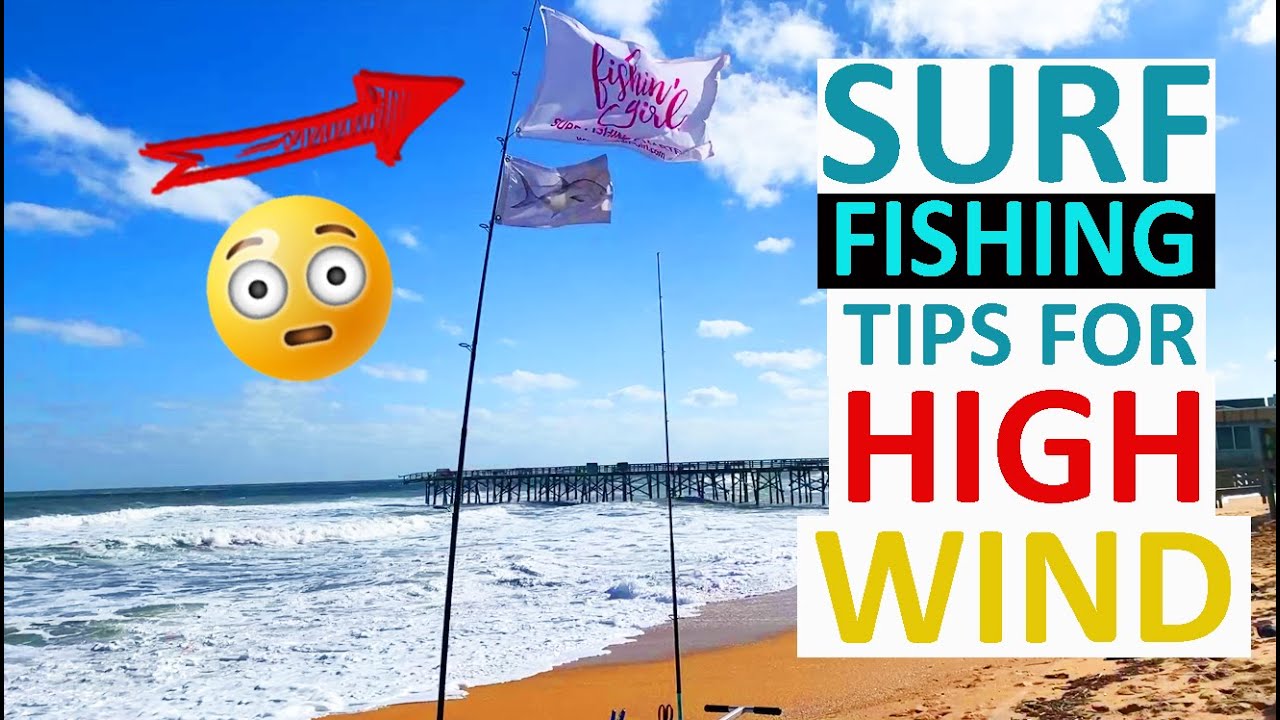
    How to Catch Fish on the Beach in High Winds

    The average charter boat in Flagler Beach is 23 feet long. Boat size and passenger capacity can affect comfort, movement and the space available for rods and gear. A group should consider how comfortably everyone can fish aboard the same boat.

    Fishing charters cost so much because the service includes the captain, boat, trip time, fuel and fishing plan. Those parts support the outing, not just the hours spent casting. Ask what the quoted rate includes instead of assuming every charter covers the same items.

    Specialized tarpon trips are available in summer, so your target can influence which dates and trip plans suit you. If tarpon is your target, check summer availability before settling on a date.

    Which fishing style and species fit your group?

    Choose inshore waters for protected backwater fishing, and look offshore for a wider range of Atlantic species. Inshore fishing often suits a sheltered, flexible outing, while offshore fishing fits groups seeking open-water action. The best style depends on the water and fish you want to pursue.

    The 23-mile Matanzas River joins the Halifax River and holds trout, redfish, flounder, cobia and kingfish. Inshore trips may target sheepshead, trout, redfish, tarpon, snook and flounder. Intercoastal waters offer a different feel from open Atlantic fishing.

    Inshore and backwater trips

    Protected waterways can suit anglers who prefer calmer water and a flexible outing. Light tackle is common for trout and redfish, and kayak fishing can offer another way to explore backwaters. Ask whether the planned trip uses a boat or kayak.

    Nearshore and offshore fishing

    Nearshore trips reach Atlantic waters closer to shore, while offshore fishing heads toward reefs and open water. Offshore targets can include king mackerel, mahi mahi, marlin, sailfish, snapper, grouper and sharks. Trolling covers water for pelagic fish, while bottom fishing targets snapper and grouper near reefs and wrecks.

    Trip styleSettingCommon targetsCommon approach
    InshoreMatanzas River and protected waterwaysTrout and redfishLight tackle or kayak fishing
    NearshoreAtlantic waters closer to shoreSnapper and grouperBottom fishing
    OffshoreAtlantic reefs and open waterKing mackerel and mahi mahiTrolling or bottom fishing

    Ask the captain which target species and fishing method suit the conditions on your date.

    Where can you fish from shore in Flagler Beach?

    With 19 miles of beaches in Palm Coast and the Flagler Beaches, shore fishing gives visitors a boat-free way to target coastal fish. Surf fishing in Flagler Beach can target blues, whiting and flounder. Varn Park is a specific surf-fishing spot at 3665 N Ocean Shore Blvd, Palm Coast, FL 32137.

    The Flagler Beach pier extends 806 feet and opens daily from 6 a.m. to midnight. A pier pass is required, and that pass is separate from any fishing-license coverage. The pier itself must have a valid saltwater pier license for eligible anglers to fish without an individual saltwater license.

    Deep sea fishing

    Surf fishing along the beach

    Surf anglers can spread out along the coast instead of crowding onto a boat. Check conditions and access before choosing a stretch of sand. Visitors staying near Ormond Beach can also plan around the wider regional coastline, while keeping the Flagler Beaches’ local access rules in mind.

    Piers, parks and docks

    Consider these shore options when planning where to cast:

    • Surf fishing at Varn Park
    • The Flagler Beach pier
    • Waterfront Park
    • Betty Steflik Preserve or Bing’s Landing

    Washington Oaks Gardens, Bulow Plantation Ruins and Gamble Rogers state parks permit fishing, though each charges an entrance fee. Waterfront Park, Betty Steflik Preserve and Bing’s Landing offer additional fishing spots. Check access fees and opening details before carrying gear to a pier or park.

    Do you need a Florida fishing license for your trip?

    Passengers fishing aboard a properly licensed Florida charter generally do not need to buy an individual recreational saltwater license. The coverage applies only while passengers fish under that vessel license. A valid charter captain or vessel license covers the group only during fishing under that license.

    Florida residents and visitors generally need a recreational fishing license to try to catch fish, including catch-and-release fishing. The main covered or exempt situations include:

    • Passengers covered by a valid charter captain or boat license.
    • Florida residents age 65 or older with proof of age or residency, and children under 16.
    • Florida residents fishing from a pier with a valid saltwater pier license.
    • Eligible Florida residents fishing from shore under the home-county natural-bait exemption.

    Customers aboard a Florida charter, headboat or saltwater guide operation need no individual recreational saltwater license while covered by the vessel license. The valid charter captain or boat license must apply to the fishing taking place.

    A Florida resident shoreline license covers fishing from land or a structure attached to land. It does not cover fishing from a boat or an island reached by boat. Nonresidents need a nonresident saltwater license unless a charter or pier license covers them.

    One specific exemption applies to Florida residents fishing from shore in their home county with a pole or line without a retrieval mechanism, using natural bait for noncommercial purposes. Anyone caught fishing without a required license can receive a citation and face penalties that depend on the violation. If your circumstances do not fit an exemption, confirm the license you need with FWC before casting.

    What bait and gear should you bring?

    Live or frozen shrimp is a practical all-around starting bait for saltwater fishing. Shrimp works across many outings, while frozen squid is another all-around choice that stays on the hook better. Match bait and tackle to the fish and method you plan to use.

    Florida FWC recommends live or frozen shrimp as a versatile saltwater bait. Frozen squid can be useful when bait needs to hold through repeated casts. Your target species and whether you plan on bottom fishing affect which supplies make sense.

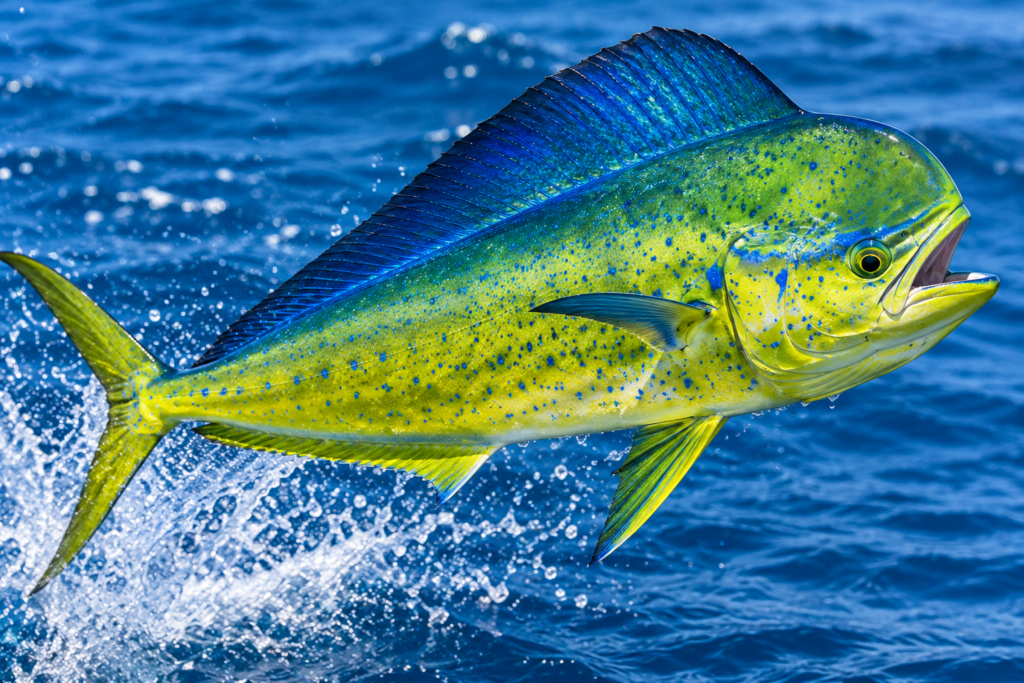
    mahi mahi

    Before buying gear, ask your captain what bait and tackle the trip uses or provides. That helps you avoid bringing equipment that does not fit the fishing plan. Hammock Bait and Tackle is located at 5861 Oceanshore Boulevard, Palm Coast, FL 32137, where you can ask about local bait and gear.

    Match the bait to the target fish and confirm the plan before buying extra tackle.

    What should you check before booking?

    A good booking call confirms both the fishing plan and the full cost for your group. Get the details in plain terms before you pay, including what the trip covers and who can fish under the captain’s license.

    Check these four points before you book:

    • Trip duration and the fish your group wants to target.
    • Whether the price includes the boat, captain, fuel, tackle, bait and fish cleaning.
    • Any added passenger charges and the captain’s gratuity expectations.
    • Whether the captain or vessel license covers everyone in your group.

    Captain fees for operator licensing are $201.50 for four or fewer customers, $401.50 for ten or fewer, and $801.50 for eleven or more. Boat license fees are $201.50 for four or fewer customers and $401.50 for six or fewer. Fees of $401.50 for ten or fewer, or $801.50 for eleven or more, apply only to Coast Guard-inspected vessels.

    Operator licensing fees are not customer trip rates, so do not treat them as a charter’s price.

    Spring and fall favor inshore fishing, while summer favors offshore fishing. A same-day Flagler Beach fishing report needs current conditions, so check a current forecast and confirm with the captain. For party boat fishing in Palm Coast, FL, confirm whether a shared trip is offered rather than assuming a private charter is a party boat. Get the captain’s confirmation of the trip details and license coverage before paying.

    Conclusion

    The right Flagler Beach fishing day is the one that fits your group’s time, target and comfort on the water. A private charter gives your group a guided trip, while shore fishing keeps the day flexible and boat-free.

    Choose a trip that fits your preferred water and budget, then confirm the plan directly with the captain. A clear conversation can help you arrive ready for the outing you booked. Choose your preferred trip style, confirm the details directly with the captain, and reserve a date that works for your group.

    FAQ

    Why do fishing charters cost so much?

    Fishing charters cover the boat, captain, time on the water and the fishing plan. Trip length, fishing style and group size affect the total, as can fuel and what gear or services the trip includes. A shorter outing and a longer trip are different services, so compare what each quote covers before choosing.

    How much does a fishing charter cost in Florida?

    Flagler Beach listings run about $500-$2,650, with average half-day and full-day trips costing $895 and $1,797. Those local figures offer a useful Florida reference, though a particular boat listing can start below the broader range. Check passenger capacity and trip details when comparing rates, since starting prices may describe different offerings.

    Do you get to keep fish on a fishing charter?

    Sometimes, but keeping a catch depends on the species’ rules, size and bag limits, as well as the captain’s trip policy. Some fish may need to be released, and a legal catch does not automatically mean the captain will keep or clean it for you. Ask about the captain’s policy before the trip and follow the rules in effect for your catch.

    Do I need a fishing license to fish on a charter in Florida?

    Generally, no, if you are a passenger covered by a valid charter captain or vessel license while fishing under that license. Coverage does not automatically apply to fishing outside the licensed charter operation. Confirm that the captain’s license covers your group and the planned trip before you cast.

    Do seniors over 65 need a fishing license in Florida?

    Florida residents age 65 or older are exempt from an individual recreational fishing license when they can show proof of age or residency. That resident exemption does not apply to every visitor over 65. Nonresidents generally need a license unless a charter, pier license or another applicable exemption covers their fishing.

    Can you fish off a pier without a license in Florida?

    Yes, a Florida resident is exempt from an individual saltwater license when fishing from a pier with a valid saltwater pier license. The pier must hold that license; a pass that grants access to the pier is not itself fishing-license coverage. Nonresidents generally need a license unless a charter or pier license covers them.

    Who is exempt from needing a fishing license in Florida?

    Exempt cases include children under 16, qualifying Florida residents age 65 or older, and passengers covered by a valid charter license. Other rules cover Florida residents fishing from a licensed pier or meeting the home-county shoreline exemption. The details matter: a resident shoreline license does not cover nonresidents, boat fishing or an island reached by boat.

    What is the best bait for pier fishing in Florida?

    Live or frozen shrimp is a strong all-around saltwater choice, and frozen squid is another option that tends to stay on the hook better. The best pick can depend on the fish you hope to catch and the pier conditions that day. Ask locally about the target and match your bait to the method you plan to use.

  • Fall Fishing Trips Near Flagler Beach Florida

    Fall brings a mix of surf, inshore, and boat-based fishing options around Flagler Beach. If you are home planning a coastal Florida outing, this local guide can help you choose a kind of access and a realistic target. It is not a nationwide roundup of destinations such as Lake Michigan or the Pacific Northwest.

    Fall weather can shift quickly, so temperatures and water conditions matter as much as your preferred experience. You can compare nearby fish, public access, guided trips, and practical checks before setting out. A good plan starts by matching your target fish to the kind of access you want.

    Fall fishing trips

    Key Takeaways

    • Flagler Beaches offers surf, inshore, and boat-based outings.
    • Redfish and spotted seatrout are local fall targets.
    • Public sites differ in access and entrance fees.
    • Charter trips vary in length, price, and passenger limits.
    • Check current conditions and applicable rules before leaving.

    Fall Fishing Trips Near Flagler Beach: What Can You Catch?

    Redfish and spotted seatrout are practical local fall targets, with the best approach depending on whether you are fishing grass, a waterway, the beach, or an inlet. Visible mullet can help you find active fish in local waterways, while grass edges offer another place to focus.

    In the October 23-25, 2026, forecast, redfish and trout were recommended near visible mullet schools in main waterways. Suggested choices included topwater lures or large soft-plastic swimbaits. A Carolina rig is a bottom-fishing setup with a sliding sinker on the main line above a swivel, leader, and hook. That forecast recommended live finger mullet on this setup for live-bait fishing.

    Redfish and trout around grass and waterways

    Grass fishing calls for a presentation that can move through vegetation. Forecasts for early and mid-October 2026 recommended weedless soft plastics with at least a quarter-ounce weight for redfish. One forecast described sight-fishing flooded grass with a weedless tube or another soft plastic.

    Spotted seatrout may hold near shallow grass lines. The October 1-5 forecast suggested topwater lures or live shrimp beneath a popping cork. These are examples from dated local forecasts, not a promise that the same choice will work on every outing.

    Surf, inlet, and bottom-fishing targets

    Palm Coast and Flagler Beaches have 19 miles of beaches where surf anglers can target bluefish, whiting, and flounder. Inlets offer a different outing: mullet was recommended for bull redfish, tarpon, and sharks in an October forecast. Fresh dead shrimp on the bottom was suggested for black drum and croakers along grass lines and docks.

    From October 15 through November 30, 2026, recreational flounder fishing in Northeast Florida is catch-and-release because the season is closed.

    Offshore bottom fishing was suggested in water starting at 140 feet for triggerfish, vermilion snapper, and mutton snapper. Fall fishing trips in the USA vary by region, and Flagler’s choices are coastal, unlike nationwide outings for striped bass, salmon, or freshwater species.

    Check the current flounder season dates before keeping one, since the dates determine whether retention is allowed.

    Best Fall Fishing Destinations in the US for 2023

    Which Flagler Beach Fishing Spots Fit Your Outing?

    For surf fishing, Varn Park is a named Flagler Beaches option, while several county and park sites offer different ways to reach the water. Choose access first if you need to narrow down spots, since a beach, seawall, pier, and boat launch serve different outings.

    Varn Park is at 3665 N Ocean Shore Blvd, Palm Coast, FL 32137. Washington Oaks Gardens State Park allows surf fishing and fishing from its Matanzas River seawall. Gamble Rogers Memorial State Recreation Area adds a pier and boat-launch access alongside Atlantic surf fishing.

    Surf and shoreline access

    Those sites suit anglers who want to fish from shore or a structure. Washington Oaks combines ocean surf with a river seawall, while Gamble Rogers has several types of access in one park. Washington Oaks Gardens, Bulow Plantation Ruins, and Gamble Rogers state parks require an entrance fee.

    Docks, rivers, and boat launches

    Bulow Plantation Ruins State Park is a small-craft choice: you can fish from its dock or launch a boat under 16 feet long or a kayak. Flagler County also has free fishing docks, including Waterfront Park, Betty Steflik Preserve, and Bing’s Landing. Boat launches are available at Moody Boat Launch, Bing’s Landing, and Herschel King Park, which has two ramps.

    For freshwater fishing and kayak access, consider Lake Disston, Haw Creek Preserve, or Bull Creek in Bunnell. Anglers looking for fall fishing trips near me around Flagler Beach can start by choosing access type rather than assuming every site has the same facilities.

    LocationAccessFishing optionFee information
    Washington Oaks Gardens State ParkSurf and Matanzas River seawallSurf and seawall fishingEntrance fee required
    Bulow Plantation Ruins State ParkDock and small-craft launchDock fishing; boat under 16 ft or kayak launchEntrance fee required
    Gamble Rogers Memorial State Recreation AreaSurf, boat launch, and pierSurf and pier fishingEntrance fee required
    Flagler County free fishing docksWaterfront Park, Betty Steflik Preserve, and Bing’s LandingFree fishing docksFree fishing docks
    • Waterfront Park fishing dock
    • Betty Steflik Preserve fishing dock
    • Bing’s Landing fishing dock and boat launch
    • Moody Boat Launch
    • Herschel King Park boat launch, with two ramps
    • Lake Disston, Haw Creek Preserve, and Bull Creek for freshwater fishing and kayak launches

    Add the entrance fee for the three state parks to your outing budget before you set out.

    Flagler fishing spots with a kayak near a freshwater launch

    How Do You Choose a Flagler Beach Fishing Charter?

    A guided inshore trip is the clearest fit for anglers focused on redfish, snook, or trout in the Halifax or Matanzas Rivers. Trip length and group size help narrow the choice, but target species and included gear matter too.

    Captain Kicen’s inshore charters include light tackle and live bait. Its rates range from $500 for a four-hour half day to $850 for an eight-hour full day, with a six-hour option priced at $650. Night, nearshore, and offshore trips have different durations and passenger limits.

    Trip typeDurationPriceTarget or group detail
    Captain Kicen’s inshore trips4, 6, or 8 hrs$500, $650, or $850Redfish, snook, and trout
    Night fishing5 hrs$500Snook, tarpon, redfish, and trout around lit bridges and docks
    Nearshore5 hrs$500Up to 4 passengers
    Offshore8 hrs$1,000Up to 6 passengers

    Captain Kicen’s charters include rods, reels, tackle, bait, a fishing license, and a cooler. Its website showed a 5.0 rating from 131 Google reviews. That score and count describe reviews, not a guarantee of your trip experience.

    Flagler Beach listings include inshore trips starting at $399 for one to four people and a Palm Coast family trip starting at $550 for one to six people. Listings range from about $500 to $2,650, with listed averages of $895 for a half-day trip and $1,797 for a full-day trip. Captain Experiences lists Flagler Beach guides at 4.99 out of 5 from 9,559 verified reviews.

    A fishing charter near me in Flagler Beach can mean different trip lengths and group capacities, so compare the exact itinerary and inclusions. A top fall fishing choice could be an inshore outing if rivers fit your target; top fall options also include night or offshore trips. Listed rates and durations are shown in Captain Kicen’s charter details.

    Confirm the trip duration, passenger limit, and included equipment with the operator before booking.

    Fishing trip aboard a Flagler Beach charter boat

    How Do Fall Weather and Water Conditions Shape the Plan?

    The October 23-25, 2026, forecast treated offshore access and shallow-water schooling as separate decisions. That dated forecast has passed, so its conditions are an example, not a current report.

    Offshore fishing was expected to remain closed through that weekend because of a nor’easter. The forecast also advised looking in water under five feet for schooling fish. A protected inshore outing was a relevant alternative when offshore conditions were poor.

    That contrast is useful when you are deciding how much of the day to commit to open water. Wind and rough seas can change whether a boat can safely make an offshore run. Shallow water may offer another kind of fishing plan, but it still depends on current conditions.

    Local fall fishing is not the same itinerary as a nationwide trip for salmon or walleye around Lake Michigan. Those species and destinations do not describe a Flagler Beach outing. Winter brings a different season, and the best time to go depends on conditions on the day you plan to fish.

    Use a forecast to decide whether your plan should stay inshore or venture offshore. The dated October example shows why those choices should not be treated as interchangeable. Check a current marine forecast before choosing an offshore departure.

    What Should You Check Before Fishing in Flagler County?

    Before leaving home, check both the fishing license rules for your trip and whether your planned waters fall under state or federal regulations. Your location matters, as do the angler’s circumstances and whether a boat is part of the outing.

    Florida fishing licenses may be needed depending on the angler and trip. Short-term, non-resident licenses are available at the Flagler Beach Tax Collector’s Office, 2525 Moody Blvd, Flagler Beach, FL 32136. The office is open Monday through Friday, 8:30 a.m. to 4:30 p.m.

    Fishing licenses and local purchase options

    Hammock Bait and Tackle, at 5861 Oceanshore Boulevard, Palm Coast, FL 32137, sells short-term fishing licenses, bait, and tackle. Check license needs for the specific angler before the outing. A freshwater trip and a saltwater trip may involve different considerations, so do not treat local planning as a guide to every bass, perch, or crappie destination.

    Boating safety and state-federal waters

    A boating safety identification card may also be needed if you are operating a boat. Florida’s saltwater rules and federal rules apply in different parts of the Atlantic, so identify the waters your trip will cover.

    Florida state saltwater waters extend from shore to 3 miles in the Atlantic; federal regulations apply beyond the 3-mile Atlantic state-waters limit.

    Use this short checklist before you cast line:

    • Confirm the fishing license needed for the angler.
    • Check whether a boating safety identification card is needed.
    • Verify the rules for the water where the trip will take place.

    Local saltwater preparation differs from freshwater trips and nationwide outings for bass, perch, or crappie. Verify the rules for your exact location with the appropriate authority before fishing.

    Conclusion

    A memorable local fishing day starts with a realistic match between your target, access, and conditions. Flagler’s options let you plan from shore, a dock, a river, or a guided boat trip, but each choice brings different limits and preparation.

    For a practical next step, pick one access style or charter itinerary that fits your time and group. Then check the current forecast and rules for the water you plan to fish. That brief check can keep a promising outing from becoming a poor fit on arrival.

    Pick your preferred Flagler-area option, then confirm the current forecast and regulations before you go.

    FAQ

    Where is the best place to fish in the fall?

    Varn Park is a clear choice for Flagler surf fishing. Gamble Rogers Memorial State Recreation Area is a good fit when you want surf, pier, and boat access in one park. For freshwater access, look toward Lake Disston, Haw Creek Preserve, and Bull Creek. The best match depends on the kind of water and access you want that day.

    What is the 80/20 rule in fishing?

    The 80/20 rule is a loose rule of thumb: a small share of locations or conditions may account for much of the action. It is not a fixed, measured law, and it does not mean the same spot will produce every day. For a local outing, watch for signs such as baitfish activity and adjust your location when conditions change.

    What fishing is best in October?

    In Flagler, local October forecast examples favored redfish and trout in waterways and around grass. A forecast from October 23-25, 2026, pointed anglers toward main waterways near visible mullet schools. Those dated recommendations do not predict current conditions. Flounder retention also depends on the season: Northeast Florida is catch-and-release from October 15 through November 30, 2026.

    What fish bite best in fall?

    Local fall targets include redfish and trout in waterways, black drum and croakers around grass lines or docks, and bluefish or whiting in the surf. The water type shapes which fish you are likely to pursue. An inlet, grass flat, beach, and offshore bottom-fishing area each offer a different mix, so match your target to your access.

    What is the best bait to use for fall fishing?

    Live finger mullet is a local option for inshore live-bait fishing, while fresh dead shrimp suits black drum and croakers along grass lines and docks. Bait choice depends on the target and where you are fishing. A bait that works on a river edge may not suit a surf outing, so choose for the setting rather than the season alone.

    What bait is irresistible to bass?

    No bait is irresistible to bass. A natural-looking presentation that matches local forage is a better rule of thumb, and the right choice can change with water clarity, cover, and fish activity. Bass anglers often adjust size and movement before changing to an entirely different bait. Treat any one bait as an option, not a sure catch.

    What is the hottest bass lure right now?

    No single lure is the hottest bass choice everywhere. A local October forecast favored topwater lures or large soft-plastic swimbaits for redfish and trout, not as a guaranteed bass recommendation. Bass lure choice depends on the water and current conditions. Match the lure to the fish you are targeting instead of assuming another species’ forecast applies.

    What color can bass not see?

    There is no single color that bass universally cannot see. Light and water clarity affect how colors appear, and conditions can change what stands out. A practical approach is to consider how visible a lure will be in the water you are fishing. If the water is murky or light is low, adjust the presentation based on what you can see.

    Contact Us

    We would love to hear from you! Please fill out this form and we will get in touch with you shortly.

    • This field is for validation purposes and should be left unchanged.

  • Live Bait Fishing Trips Near Daytona Beach

    A guided outing near Daytona Beach can put you on the water with a captain, tackle, and a plan matched to your group. Live bait fishing trips can suit families with kids, first-time anglers, and people with more experience. Your choice of inshore or offshore water affects how the outing feels and how much time you spend running.

    A livewell is an aerated boat tank that keeps live bait alive during a trip. Trip availability and included gear vary by outing, so check what the captain plans to provide. This directory helps you compare local choices and make a clear booking plan. Bait included in a price does not by itself confirm that the captain will fish with live bait. Before booking, confirm that the specific trip will use live bait.

    live bait fishing trips

    Key Takeaways

    • Daytona Beach offers inshore, nearshore, and offshore saltwater outings.
    • Private charter prices and trip lengths vary by fishing style.
    • Included bait does not guarantee live bait.
    • Ask about the captain’s bait plan and child-size safety gear.
    • Confirm the departure details directly with the captain.

    Which Live Bait Fishing Trips Fit a Daytona Beach Day?

    A sheltered inshore outing is the natural fit if your group wants to stay closer to shore, while an offshore trip suits anglers prepared for a longer run. Inshore water can mean estuaries and river edges, while offshore trips reach farther into the Atlantic. Your preferred setting and time aboard are the best first filters.

    Florida offers both saltwater and freshwater guided choices, while the Daytona-area options in this directory are saltwater. The table compares local saltwater styles with Lake Toho, a freshwater alternative. Live bait can work across different fishing styles, but the captain should confirm the bait and method for your selected trip.

    Trip typeTypical settingExample target fishPractical fit
    InshoreEstuaries and river edgesRedfish, snook, spotted seatroutSheltered saltwater fishing
    NearshoreReefs and waters closer to shoreKing mackerel, cobiaA step beyond inshore without a full offshore run
    OffshoreAtlantic waters farther from shoreMahi, grouperLonger open-water outings
    FreshwaterLake TohoBassA separate freshwater alternative, not a Daytona saltwater charter

    For many groups, inshore fishing offers a calmer setting and less time spent traveling to the fishing area. Nearshore fishing extends the range to reefs and closer coastal waters, without the longer run of an offshore outing. Your route and conditions still shape the actual time spent fishing.

    Do not assume that a trip will use live bait just because bait is included; confirm the method for your chosen outing.

    Offshore trips can target mahi and grouper, but they call for a longer open-water outing. Kids or first-time anglers may prefer a shorter plan, while experienced anglers might welcome more time aboard. Ask how the captain describes the trip’s pace before choosing.

    Choose by water type and time on the boat first, then check that the captain’s target species and bait method match your priorities.

    What Do Daytona Beach Fishing Charters Cost?

    The listed Daytona Beach private trips run from $400 for a 5-hour inshore outing to $1,500 for a 14-hour extended trip. The comparison below shows five options with clear durations and styles. Each listed private trip covers up to four guests.

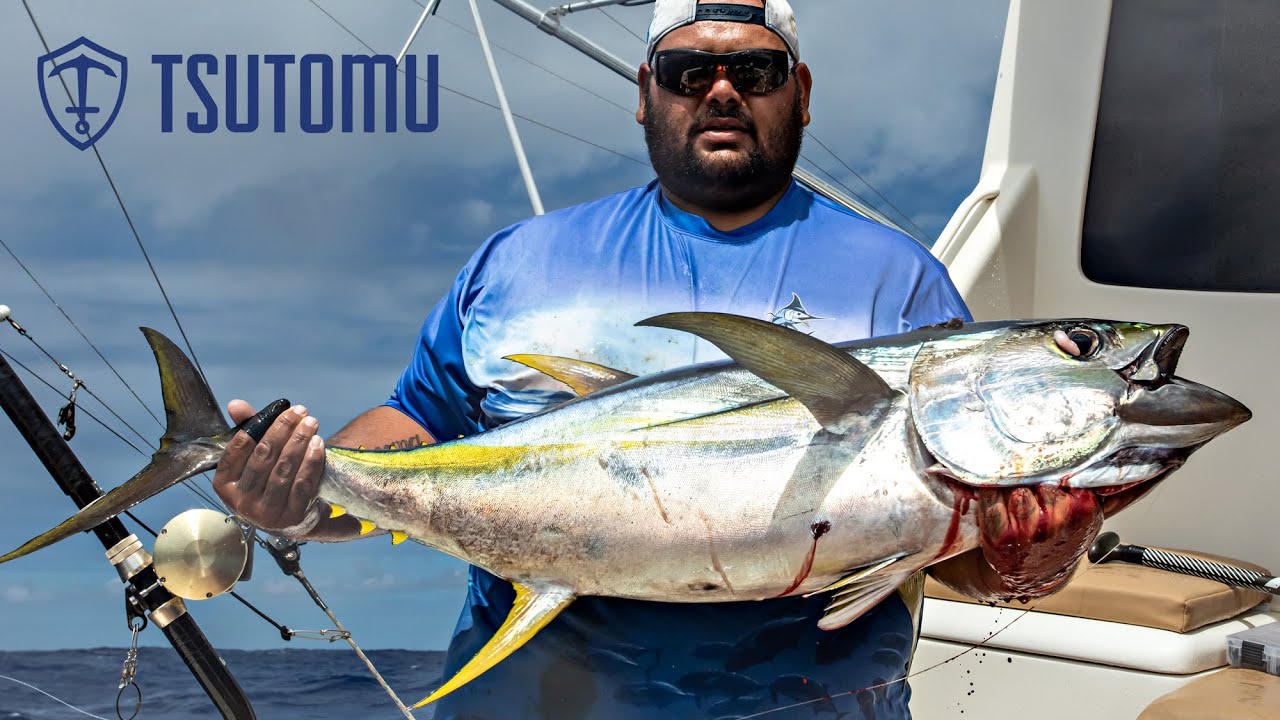
    Yellowfin Tuna Live Baiting -  Day Trip on a Sport Fishing Yacht
    TripDurationPrice per private tripTarget or style
    Shark fishing3 hours$450Shark
    Inshore fishing5 hours$400Inshore
    Inshore fishing10 hours$800Inshore
    Offshore fishing5 hours$500Offshore
    Offshore fishing10 hours$1,000Offshore

    The remaining choices stretch the day farther. A 12-hour mahi and grouper fishing trip costs $1,200, and a 14-hour extended trolling and deep-drop trip costs $1,500. Those longer outings offer more time on the water, so consider whether the schedule suits your group.

    Private trip pricing includes the boat, captain, fishing licenses for everyone, rods, reels, tackle, bait, and lures. The Daytona Beach private trip prices cover the listed group size, not a per-person rate. Included bait does not necessarily mean live bait, so settle that detail separately.

    Price alone does not show how much of the outing involves travel, fishing, or a particular technique. A shorter trip may fit a family’s schedule, while a longer one allows more time aboard. Ask how the captain plans to use the booked hours.

    Compare the total trip duration and fishing style as well as the price when deciding which outing fits your day.

    What Florida Alternatives Offer a Different Fishing Plan?

    New Smyrna Beach is the closest like-for-like alternative in this comparison, while Lake Toho changes the plan to freshwater bass fishing. Cape Canaveral offers another saltwater departure area. The trip type and what the price includes differ across these three choices.

    DestinationTrip type and durationPriceStated inclusions
    New Smyrna BeachInshore for 4 hours$500 per boatLicense, bait, gear included
    Cape CanaveralOffshore for 4 hoursFrom $750License, bait, gear included
    Lake TohoBass for 2 hours$250 per boatGear included; Florida freshwater license and live bait extra

    New Smyrna’s inshore outing keeps the saltwater plan familiar while changing the departure area. Cape Canaveral’s offshore option starts at $750 for four hours. Both list a license, bait, and gear among the inclusions, but the bait listing does not establish that the bait is live.

    Lake Toho is a freshwater alternative, not a Daytona saltwater outing. Its two-hour bass trip includes gear, while the Florida freshwater license and live bait cost extra. That distinction matters if your priority is freshwater fishing rather than an Atlantic outing.

    Prices and trip lengths give you a quick comparison, but the launch area can shape your travel day. Think about which water and target species fit your plans, then account for the drive to the departure point.

    Check the exact departure point and what the listed inclusions cover before choosing an alternative.

    How Can You Confirm a Charter Uses Live Bait?

    A listing that says “bait included” does not prove that live bait will be used. Some trips use dead or cut bait instead. Get an explicit answer about live bait before booking.

    Captain checking live bait in a boat livewell before fishing

    Ask what bait the captain plans to use

    Ask the captain which live bait is planned and whether the trip targets a particular species with it. That answer helps you understand the fishing method, not just what the price covers. A specific bait name is more useful than a general promise of bait.

    Common live baits include shrimp, minnows, worms, and baitfish. Those are examples, not a promise that every type will be available or suit every trip. The target fish, location, and method shape what the captain plans to use.

    Ask whether the captain catches bait during the outing or supplies it before fishing begins. Catching bait during the trip can take time away from fishing for the target species. Knowing the plan helps set expectations for the outing’s pace.

    Check how the bait is supplied and kept

    A livewell is an aerated tank on the boat that keeps live bait alive. Ask whether the boat has one and how bait will be handled during the trip. The setup can matter if you expect the captain to keep bait alive for an extended outing.

    Confirm whether bait, hooks, and any needed tackle are included. A general bait inclusion might refer to dead or cut bait, so it does not answer the live-bait question. Ask whether live bait is actually part of the planned technique.

    Details can also clarify what the group should bring and what the captain will supply. Avoid assuming that every common bait is right for your preferred fish or available on your date. An answer that names the bait and supply plan gives you a clearer basis for choosing.

    Ask the captain to confirm the bait type and supply plan in writing before you reserve.

    What Should You Check Before Choosing a Captain?

    A useful captain comparison starts with recent feedback from anglers who booked a similar kind of outing. Compare at least three recent reviews from Daytona Beach or New Smyrna Beach. Reviews that describe the trip are more useful than a star rating alone.

    Look for comments about communication, trip conditions, and the group’s experience. Reviews matter most when they match your trip style, group type, and expected fishing conditions. They can show how a guide handles a day on the water, but no review guarantees a future catch.

    Use this five-point checklist to compare the captain’s fit with your group:

    • Recent reviews that mention communication and trip conditions.
    • Captain experience with the target species.
    • Clear answers about live bait.
    • A trip length and boat setup that suit your group.
    • Direct confirmation of age guidance and child-size safety equipment.

    Knowledge of a target species can help a captain choose a fishing approach, but it does not promise a particular result. Read more than one review to see whether the same strengths appear across different trips. Note whether reviewers describe kids, first-time anglers, or a similar group size.

    Captain profiles and reviews can be compared in both Daytona Beach and New Smyrna Beach. Use the feedback to identify questions, then consider how directly the captain answers. A clear reply about your group’s needs is a practical sign of good communication.

    Ask the captain one specific question about your group before booking and judge the clarity of the reply.

    When Is the Best Time to Fish Near Daytona Beach?

    There is no single best month for every target, but Daytona Beach trips run year-round. The best time depends on target species, weather, water conditions, and seasonal activity. Match the season to the fish you hope to target.

    Snook fishing near New Smyrna Beach during a seasonal window

    Match the season to your target species

    Seasonal activity changes which fish may be a focus for a trip. New Smyrna Beach’s seasonal guide lists snook as best from February through May. It associates bull redfish with the fall mullet run, when baitfish movement is part of the seasonal picture.

    These are New Smyrna seasonal pointers, not guarantees for every Daytona outing. The species a captain targets can depend on the trip’s location and the activity at that time. A seasonal window can help you choose a target, but it cannot promise a catch.

    If you have a particular fish in mind, tell the captain before settling on a date. That gives the captain a chance to discuss whether the planned outing fits your goal. Ask how the target species affects the zone or approach for that trip.

    Keep weather and water conditions in the decision

    Weather and water conditions can change which departure date or fishing zone is practical. A day that looked promising when booked may call for a different plan as conditions shift. Check the forecast close to the trip and ask whether the captain still considers the outing appropriate.

    Open-water and sheltered-water plans can respond differently to the same conditions. The captain can assess the expected route and conditions for the booked trip. Let the captain’s current assessment shape whether the planned outing is suitable.

    Daytona Beach fishing trips remain available throughout the year, but the experience can vary with conditions and species activity. Keep your expectations tied to the target and date rather than a guaranteed catch. A flexible group is better prepared if the fishing zone needs to change.

    Confirm the target species and current weather plan with the captain shortly before departure.

    Do You Need a Fishing License for a Florida Charter?

    Most passengers on a properly licensed Florida saltwater charter do not need to buy an individual recreational saltwater license if they are authorized to fish under the vessel license. Confirm that your entire party is covered by the vessel license.

    Understand the vessel license

    Florida charter and headboat operations must have an FWC charter captain or boat license that covers their passengers. Customers authorized to fish under that vessel license do not need an individual recreational saltwater fishing license.

    Passenger coverage is the key detail for your group. Ask whether the vessel license applies to everyone who plans to fish on your booked outing. Do not treat one passenger’s status as confirmation for the rest of the party.

    That vessel coverage applies to customers fishing under the license. It is separate from the captain’s professional credentials, which govern operation of a for-hire vessel. Both checks matter, but they answer different questions.

    Check the captain’s for-hire credentials

    A Florida saltwater captain operating a for-hire vessel must meet U.S. Coast Guard requirements. Those requirements include holding a Captain license or Merchant Mariner Credential. A customer’s license coverage does not replace the captain’s credentials.

    Keep the two checks distinct: the vessel license covers authorized customers, while the captain’s credential qualifies the professional operating the charter. A fishing charter involves both the passenger rules and the captain’s for-hire requirements.

    Ask about passenger coverage for your party and the captain’s credentials for the outing. These are straightforward details to settle before anyone steps aboard. The Florida charter license rule covers passenger authorization and captain requirements separately.

    Confirm passenger coverage and the captain’s for-hire credentials before the trip.

    What Should You Bring for a Day on the Water?

    Pack for sun, changing conditions, and comfort, but first check what the captain already provides. Broad-spectrum SPF 30 or higher is a common sun-protection recommendation. A little preparation can make a long stretch on the water easier for adults and kids.

    Keep your bag focused with these four basics:

    • Sun protection, including sunscreen and a hat.
    • Drinking water and any personal snacks.
    • Weather-appropriate layers.
    • Personal motion-sickness supplies you normally use.

    Check before bringing a cooler, personal tackle, or outside bait. Captains may have rules about these items, and equipment can vary by trip. Families should ask whether child-size life jackets are available and which ages or sizes the captain can accommodate.

    Arriving 15-30 minutes before departure gives you a practical buffer for parking and meeting the captain. Use that time to get aboard without rushing, especially when kids are in the group. Confirm child-size flotation gear and any restrictions on outside bait or equipment before leaving home.

    Where Do Daytona Beach Charters Depart, and How Do You Book?

    Daytona Beach charters depart from Dunlawton Boat Ramp, 81 Dunlawton Avenue, Port Orange, FL 32127. Verify the address before setting out. Use the captain’s confirmation for the final meeting details.

    Booking services with live calendars let you choose a trip, date, and group size. The captain then confirms the meeting spot, time, and what to bring. Follow these three steps:

    1. Select the trip and confirm live bait use.
    2. Choose an available date and group size.
    3. Confirm the meeting point, departure time, and what to bring directly with the captain.

    A live calendar helps with date selection, but it does not settle every practical detail. The captain’s confirmation supplies the final plan for where to meet and when to arrive. Keep the details with your reservation so they are easy to find on departure day.

    A calendar opening is not the same as a confirmed meeting plan; use the captain’s direct confirmation for the final details.

    Check that the chosen date and group size match your reservation. If anything changes after booking, contact the captain rather than relying on an old calendar view. A clear meeting plan keeps the start of your fishing trip simple.

    Save the captain’s confirmed meeting point and departure time with your reservation details.

    Conclusion

    A good Daytona Beach fishing plan starts with the kind of water and trip length your group actually wants. Inshore, nearshore, and offshore outings offer different settings and time aboard. Choose a target species that fits the experience your group hopes to have.

    Before you commit, get the captain’s clear answer about live bait and confirm that the trip suits your group. A listed bait inclusion alone does not tell you which method the captain will use. Check availability for a date that works, then make sure the group details are settled.

    Choose a date, confirm live bait and group details with the captain, and reserve the outing that fits your day.

    FAQ

    What fish can live bait catch near Daytona Beach?

    Live bait can be used to target inshore fish such as redfish, snook, and spotted seatrout, along with offshore species such as mahi and grouper. The captain’s target depends on the selected trip and seasonal activity. Ask which species the outing is set up to pursue, since a seasonal pattern does not guarantee a catch.

    Can I bring my own live bait?

    Ask the captain before bringing your own live bait, because the preferred bait and fishing method can differ by trip. The captain may have a specific plan for bait supply and handling, or rules about outside bait on the boat. Get approval before packing it, and clarify whether any bait you bring must meet particular handling requirements.

    Are live bait fishing trips suitable for kids?

    Many fishing trips can suit families, but the best fit depends on the kids’ ages and comfort on a boat. Confirm age guidance, trip length, and child-size life jackets with the captain before booking. A shorter outing may be easier for young anglers, while the captain can explain what the boat setup allows.

    What happens if the weather is bad on my charter date?

    The captain assesses conditions and communicates the plan for the outing. Weather may affect the departure date, route, or fishing zone, and the captain can tell you whether the planned trip remains appropriate. Read the specific rescheduling or cancellation terms before booking so you understand what happens if conditions disrupt your date.

    How much should I tip a fishing charter captain?

    A common U.S. guideline is about 15-20% for good service, adjusted for the trip and the service you receive. Consider the captain’s communication, preparation, and care for your group when deciding what feels fair. If several people share the cost, agree on the tip before leaving the dock.

    How far in advance should I book a Daytona Beach fishing charter?

    Reserve as early as practical, especially for weekends and peak travel dates, which can fill sooner. Check the live calendar for current openings, then complete the booking details for your group. If your dates are flexible, comparing a few available days can help you find an outing that fits your schedule.

    Contact Us

    We would love to hear from you! Please fill out this form and we will get in touch with you shortly.

    • This field is for validation purposes and should be left unchanged.

  • Flagler Beach vs Ormond Beach Fishing Trips

    Flagler Beach is the stronger starting point for anglers weighing surf and nearshore options, while Ormond Beach suits a river-centered inshore outing. Inshore fishing means fishing in protected coastal waters such as rivers and flats, rather than farther offshore. Your choice shapes the feel of the day, from casting along the coast to fishing calmer river water.

    The right destination depends mainly on whether you want surf or nearshore options, or river-focused fishing. Both towns offer ways to spend time on the water, and your group’s experience level can help narrow the choices. If you want to fish without a boat, shore-based options matter most. If you want a captain to guide the day, compare the trip style and meeting point.

    Flagler Beach vs Ormond Beach

    The coast gives you more than one way to plan a fishing outing, but the best fit depends on the water you want to fish and how you want to spend your time. Think about who is joining you, too: a shore lesson, a boat trip, and a river outing offer different kinds of days.

    Pick the water and trip style you most want to spend your time on before comparing individual charters.

    Key Takeaways

    • Flagler Beach is a strong fit for surf and nearshore choices.
    • Ormond Beach suits anglers drawn to river-centered inshore fishing.
    • Inshore fishing takes place in protected coastal waters, including rivers and flats.
    • You can fish from shore in the Flagler area without booking a boat.
    • Compare trip format, group size, and meeting location before choosing.

    Flagler Beach vs Ormond Beach: Which Fishing Trip Fits?

    For an angler who wants both beach-based and boat-based choices, Flagler Beach is the better fit; for a river-focused outing, choose Ormond Beach. Trip style is the key difference, not a universal ranking of either town. Flagler Beach is part of the Palm Coast and the Flagler Beaches coastal visitor region, while Ormond Beach is a nearby Atlantic-coast city.

    The Flagler Beach vs Ormond Beach comparison is about Florida fishing-trip styles, not which town is best for everyone. Flagler Beach favors travelers who want surf and nearshore possibilities. Ormond Beach is a better match if the Halifax and Tomoka Rivers are central to your plans.

    Trip-planning factorFlagler BeachOrmond Beach
    Coastal visitor settingPalm Coast and Flagler Beaches regionNearby Atlantic-coast city
    Stated trip-style emphasisSurf and nearshore optionsRiver-centered inshore options
    Most suitable travelerBeach and boat choice seekerRiver-focused angler
    Main trade-offLess river-centered emphasisLess surf-focused emphasis

    When comparing Flagler Beach vs Ormond Beach, Florida, consider the trip you actually want rather than the town’s general atmosphere. A coastal visitor setting can suit a beach-oriented stay, while a river trip gives the day a different pace. Local homes and lodging choices may also shape where your group prefers to base itself.

    Choose Flagler Beach for surf and nearshore choices, or Ormond Beach when river fishing is the priority.

    A Flagler Beach vs Ormond Beach comparison from 2021 is a dated snapshot, not a current booking guide. Use present trip details to make your choice, especially if a listing’s format or meeting location matters to your plans. Decide whether the water you most want to fish is the beach, the nearshore coast, or a river.

    Where Do Ormond Beach and Flagler Beach Trips Fish?

    Ormond Beach’s Halifax and Tomoka Rivers offer a distinctly different outing from the Gulf Stream, which lies about 40 miles offshore. Protected rivers create an inshore setting, while the Gulf Stream is a farther-offshore destination. Those waters call for different plans, time commitments, and expectations.

    The Gulf Stream’s roughly 40-mile distance is a geographic fact, not a promise that a particular listing offers an offshore trip. The Halifax and Tomoka Rivers let anglers fish in protected water near Ormond Beach. Their calmer setting can suit people who want a river outing rather than a longer run toward open water.

    The rivers provide a close-to-shore way to fish, with the surrounding landscape shaping the experience. An inshore trip stays in protected coastal water, such as a river or flats. That distinction matters when you compare a river-focused charter with one advertised as a trip farther out.

    Fishing grounds also affect the rhythm of a day on the water. A captain’s route may depend on the trip format and conditions, so a town name alone does not tell you where the boat will spend its time. Ask what the advertised trip covers before you build the rest of your plans around it.

    Ormond Beach’s offshore distance does not mean every charter reaches the Gulf Stream. A listing may focus on inshore water instead, even when farther offshore grounds are part of the regional geography. Confirm the intended fishing grounds with the captain before choosing a trip advertised as offshore.

    Which Fish Can You Target in Each Town?

    Both destinations list black drum, flounder, redfish, and snook, while the trout listing uses a different name in each place. The overlap gives you several shared targets, but the exact trip style and captain’s plan still matter. Flagler Beach listings include inshore, river, flats, and nearshore trips; Ormond Beach listings include inshore, river, and flats trips.

    A listed target is not a guarantee that you will catch that fish. Treat the species name as a starting point for a conversation about the planned outing, not as a promise. The trout names also differ: Flagler Beach lists spotted seatrout, while Ormond Beach lists speckled trout.

    Flagler Beach vs New Smyrna Beach: Which Retro Florida Beach Town Wins in 2025?
    Target speciesFlagler BeachOrmond Beach
    Black drumCommonly listedCommonly listed
    FlounderCommonly listedCommonly listed
    RedfishCommonly listedCommonly listed
    SnookCommonly listedCommonly listed
    TroutSpotted seatroutSpeckled trout

    These fish are part of the range anglers may see across different trip listings, not a fixed menu for every outing. A charter’s water type can shape which species the captain expects to pursue. If one fish matters most to your group, ask about that target before deciding which town or trip format fits.

    Season, conditions, and the chosen fishing grounds can also affect the day’s plan. A broad listing may show what a guide commonly targets without describing the plan for your particular date. Ask which species the captain plans to target on your specific trip date rather than relying on a general list.

    How Long Are Trips, and When Can You Target Tarpon?

    Flagler Beach charter trips run from four to eight hours, so the available time is one of the first details to match to your plans. Four to eight hours gives you a clear window for deciding whether a trip fits your day. A longer booking leaves more time on the water, but does not promise a catch or a set itinerary.

    Specialized Flagler Beach tarpon trips are available in summer. That option is distinct from a general charter listing, so confirm whether the trip is designed around tarpon. The season alone does not tell you which dates a captain expects to offer.

    What the trip length allows

    A four-hour trip gives you a shorter block of fishing time than an eight-hour trip. The exact time spent fishing, traveling, and changing locations depends on the captain’s plan. Consider how much of your day you want to set aside, especially if your group has other activities planned.

    Trip length can influence how much flexibility a captain has during the outing. A shorter window may suit travelers who want a focused experience without giving up most of the day. A longer booking leaves more room for time on the water, though it still cannot guarantee a particular result.

    Check the listed duration against your group’s schedule, including the time needed to arrive at the meeting point. The word “half-day” or “full-day” may not tell you the exact number of hours for one specific listing. Read the trip details and confirm the exact duration when booking.

    Summer tarpon trips

    Tarpon trips in the Flagler Beach area are a specialized summer option. That makes them a more focused choice than a general outing for travelers who specifically want to target tarpon. It does not establish a peak month or guarantee that tarpon will be available on every date.

    Ask the captain whether your preferred date fits the trip’s target and whether the outing is currently offered. A captain can also explain how the planned target affects the trip format. Confirm the trip’s exact duration and target species before you reserve a date.

    How Much Do Fishing Trips Cost in Each Town?

    Flagler Beach half-day trips average $895, while Ormond Beach half-day trips average $1,056. Full-day averages are $1,797 in Flagler Beach and $1,729 in Ormond Beach. Overall listed prices range from about $500 to $2,650 in Flagler Beach and about $536 to $2,530 in Ormond Beach.

    Trip length, boat, group size, and trip format all affect the listed price. A low starting price is one option, not a standard cost for every trip. The comparison changes when a boat carries more passengers or when the outing uses a distinct format.

    Price measureFlagler BeachOrmond Beach
    Half-day average$895$1,056
    Full-day average$1,797$1,729
    Overall listed price rangeAbout $500-$2,650About $536-$2,530

    Flagler Beach has a listed starting option at $399 for a 21-foot boat carrying 1-4 people. Another listing starts at $500 for a 16-foot boat carrying 1-2 people. A separate inshore-and-nearshore trip starts at $700 for a 16-foot boat carrying 1-2 people.

    Ormond Beach has a listed starting option of $399 for a 21-foot boat carrying 1-8 people. An artificial-lure trip on that boat starts at $379 for 1-2 people. Those are distinct listing examples, not a guarantee that each trip has the same price or passenger capacity.

    The figures answer the basic Flagler Beach vs Ormond Beach cost question, but an average is not a quote for your group. A shorter outing, different boat, larger passenger capacity, or specialized trip format can shift the price. Compare the exact trip details before deciding that one destination costs less.

    Check what the listed fare covers and whether the boat’s stated capacity matches your group. A lower starting figure may apply to fewer passengers or a specific kind of outing. Compare the full trip details and passenger capacity, not just the lowest starting price.

    How Do Charter Listings and Guide Reviews Compare?

    Ormond Beach has more listed trips, while both destinations show the same guide rating of 4.99 out of 5. The listing count is 65 trips in Flagler Beach and 84 in Ormond Beach. Ratings are high in both places, but an average score cannot tell you whether a specific trip fits your plans.

    Flagler Beach guides are rated 4.99 from 9,559 verified reviews, and Ormond Beach guides are rated 4.99 from 9,603. These figures offer a broad view of the listed guide community. They do not explain one captain’s boat, meeting point, or intended fishing plan.

    Fishing guides and charter listings in the Flagler Beach community
    Listing measureFlagler BeachOrmond Beach
    Trips listed65 trips84 trips
    Guide rating4.99 out of 54.99 out of 5
    Verified reviews9,5599,603

    Use the overall rating to narrow your options, then focus on the details of the guide you may book. The experience can vary with the boat, the day’s target, and how the trip is organized. A high aggregate rating does not answer the specific questions that matter to your group.

    Before booking, ask the guide four direct questions:

    • What species are likely targets on your date?
    • What passenger capacity applies to the boat?
    • What is included in the trip?
    • Where should your group meet?

    A clear answer can help you judge whether the trip matches your expectations and schedule. Confirm that the boat suits your group and that the meeting location works from your lodging or home base. Check that the meeting point and trip details match your plans before booking.

    Can You Fish From Shore Around Flagler Beach?

    You can fish from shore around Flagler Beach, so booking a boat is not the only way to plan a fishing outing. Surf fishing gives you a beach-based option along 19 miles of beaches. Varn Park, at 3665 N Ocean Shore Blvd in Palm Coast, is one named place to consider.

    A shore trip and a charter are different formats. You can cast from the beach without a boat, while a charter is a captain-led fishing trip. That difference matters if you want beach access, prefer to stay on land, or are planning an outing for people with different comfort levels.

    Surf fishing along the Flagler coast

    The 19-mile stretch of beaches gives shore anglers room to consider a surf outing. Varn Park is located in Palm Coast at 3665 N Ocean Shore Blvd. It offers a recognizable place to plan around, though access rules can differ by location.

    Surf fishing can suit you if you want the beach experience without arranging a boat. You can keep the outing centered on shore, and the plan does not require a captain to take you out. Before you set up, make sure the access point allows the activity you intend to do.

    Parks and lessons for shore anglers

    Flagler County state parks that permit fishing include Washington Oaks Gardens State Park, Bulow Plantation Ruins State Park, and Gamble Rogers Memorial State Recreation Area. Their settings differ, so check the specific park’s current access details before choosing a spot. A state park name alone does not describe every shoreline condition.

    Fishin’ Girl instructor Cathy Sanders offers a surf-fishing lesson that includes gear and instruction. A lesson provides teaching and equipment, while a charter centers on a captain-led trip by boat. Pick the format that fits your plans, then check the current access rules at the specific beach or park before setting up your gear.

    How Do Flagler Beach and Ormond Beach Compare on a Map?

    Flagler Beach and Ormond Beach are about 20 minutes apart via A1A, making it practical to compare them as nearby fishing destinations. A1A runs north-south through Flagler Beach. The drive estimate gives you a basic sense of the space between the towns, not a full route from your lodging.

    The exact meeting address matters because the 20-minute estimate does not account for your starting point or the charter’s departure location. A map can help you see the route, but a town name alone may not take you to the right dock or access point. Check the address before setting out.

    Your travel time can change based on where you are staying and where the trip begins. A home base in Palm Coast, a beach rental, or a place farther away will give you a different starting point. A1A’s north-south route through Flagler Beach helps orient you, but it is not the only detail to plan.

    Use this four-step preparation list before driving to a fishing trip:

    1. Confirm the captain’s exact meeting address.
    2. Check the route from your lodging or home base.
    3. Allow time for the drive to the departure point.
    4. Save the return route before you leave.

    That preparation can make a nearby destination feel easier to reach, especially if your group is unfamiliar with the area. It also helps you avoid treating the town center as the meeting point. Use the captain’s actual meeting address, not just the town name, to plan your drive.

    What Fishing Rules and Licenses Should You Check?

    On a Florida saltwater charter, the captain’s license covers everyone aboard, but freshwater fishing requires a fishing license. That distinction matters if you are choosing between a saltwater charter and a freshwater outing. Shore anglers also need to follow the applicable rules for their chosen species and location.

    Check current Florida Fish and Wildlife Conservation Commission rules for your target species and date. Limits can differ by species, so do not assume one rule applies to every fish. A charter license arrangement does not remove the need to follow catch rules.

    Angler checking Florida fishing rules near Flagler Beach water

    Shore fishing and state-water boundaries

    Florida saltwater regulations apply from shore to 3 miles in the Atlantic and from shore to 9 miles in the Gulf. Federal regulations apply beyond state waters. The zone boundary depends on which coast you are fishing, so the Atlantic and Gulf limits are not interchangeable.

    Florida saltwater recreational regulations cover red drum, flounder, snook, spotted seatrout, tarpon, and sheepshead. These species have rules that can differ, including limits that may change what you can keep. Identify your intended target before you plan to bring a fish home.

    Shore fishing does not place you outside fishing regulations. Where you stand and the water you fish both matter, especially near a state-water boundary. If your trip may cross into federal waters, the applicable rules change beyond the state zone.

    Charter licenses and freshwater trips

    On Florida saltwater charters, the captain’s license covers everyone aboard. You do not need to bring a separate fishing license for each passenger on that saltwater charter. The coverage applies to people aboard the charter, not to separate fishing plans away from it.

    Freshwater fishing has a different license requirement: anglers need a fishing license. Do not assume that a saltwater charter’s license arrangement covers a freshwater trip. Check the current rule for your chosen type of water and target fish, then verify the current rule for your target species before keeping a fish.

    Is Flagler Beach Water Clear, and Can You Swim?

    Flagler Beach’s orange-gold sand comes from coquina, but sand color alone does not tell you whether the water is clear or safe for swimming that day. Daily conditions change, so a beach view cannot replace a current water-quality check. Swimming is possible at suitable sandy areas, with an important rocky-shore exception.

    Washington Oaks Gardens State Park’s rocky stretch can be sharp underfoot and is unsuitable for swimming. That shoreline differs from suitable sandy beach areas. Coquina outcroppings there formed during the Pleistocene, more than 12,000 years ago.

    Flagler Beach’s golden-orange sand comes from compacted coquina shell fragments and ancient marine material. Ormond Beach and Daytona Beach sand can also look orange, with coquina shell fragments absorbing the rusty color of iron oxide. The similar color has a related coastal material, but the local descriptions are not identical.

    Florida’s Healthy Beaches program rates marine water as good at 0-35 enterococci per 100 milliliters, moderate at 36-70, and poor at 71 or greater. Enterococci are bacteria measured in water samples. The program’s rating thresholds give you a way to understand reported results, not a promise about conditions at a particular beach today.

    Florida issues a swimming advisory when an enterococci result exceeds 70 colony-forming units per 100 milliliters and a resample also exceeds that value. A single color or appearance cannot tell you whether a result meets that rule. Check the current local beach advisory and avoid entering the water at the sharp, rocky Washington Oaks stretch.

    What Beach Access Rules Affect an Ormond Fishing Trip?

    Volusia County allows beach driving and parking only in designated areas, so check the access point before taking a vehicle onto the beach. Designated areas also shape where you can leave a vehicle near the shore. Visitor on-beach driving costs $30 daily or $150 for an annual pass.

    Visitor off-beach parking costs $20 daily or $100 for an annual pass. Registered Volusia County residents receive no-cost access to beach driving and County-owned off-beach parking after registering with ParkVolusia. The resident benefit depends on registration, not simply living in the county.

    Volusia County has more than 60 off-beach parking lots included in the ParkVolusia beach-parking program. These lots give you another way to reach the shore without driving directly on the sand. Check which participating lot works for your planned access point.

    Drivers must follow the county’s beach rules. Keep the vehicle on the seaward side of conservation-zone markers, and follow posted speed limits. Headlights must stay on, and at least one front-seat window must remain open.

    Use this checklist when driving on the beach:

    • Use designated driving and parking areas.
    • Stay seaward of conservation-zone markers.
    • Obey posted speed limits and keep headlights on.
    • Keep at least one front-seat window open.

    These rules apply to the permitted beach-driving areas, not every stretch of sand. A parking lot may be the simpler choice if you do not need to bring a vehicle onto the beach. Register through ParkVolusia first if you are a Volusia County resident seeking the no-cost access benefit.

    Which Fishing Trip Should You Choose for Your Plans?

    Match the trip to your preferred setting first, then choose a specific guide or shore option that fits it. Your preferred setting may be surf, a nearshore boat trip, a night charter, or protected river water. The best choice follows the kind of fishing day your group actually wants.

    Choose surf fishing for a shore-based outing, or pick a boat trip when you want a captain-led experience. Palm Coast Fishing offers inshore and nearshore charters with Captain Chris Herrera’s team, including trips targeting cobia and redfish. Moana Kai Fishing, led by Captain Elijah Hair, offers night fishing charters targeting tarpon and snook.

    Use these four options to narrow your plan:

    • Choose surf fishing for a shore-based outing without a boat.
    • Consider Palm Coast Fishing for an inshore or nearshore trip targeting cobia or redfish.
    • Consider Moana Kai Fishing for a night trip targeting tarpon or snook.
    • Choose Ormond Beach when a river-centered inshore setting is your priority.

    Confirm current trip details with the named operator before booking, since a listing’s target or format may not fit every date. Tell the operator what kind of outing your group prefers instead of choosing only by the name of a fish. That makes it easier to discuss the right format for your plans.

    Companions who are not fishing can weigh nearby restaurants, shops, and other activities when choosing a home base. Palm Coast and the surrounding towns offer different settings for a shared stay, and your group may value convenient access to things beyond the water. Keep those plans in mind without letting them distract from the fishing format you want.

    Choose the setting first, then confirm that the operator’s current trip format fits your date and group.

    A shore lesson, a daytime boat trip, and a night charter create different experiences for people who are new to fishing as well as regular anglers. Before booking, tell the operator your group size, preferred target, and whether you want to fish by boat or from shore.

    Conclusion

    Choose Flagler Beach for the mix of surf and nearshore possibilities, or Ormond Beach for a river-centered trip. Each town gives you a distinct way to spend time fishing along this part of Florida’s coast.

    Think about the experience you want your group to have, then contact a local captain or lesson provider. Send a local captain your preferred date, group size, and fishing style before you commit to a booking.

    FAQ

    What is the prettiest beach town in Florida?

    “Prettiest” is subjective, but Flagler Beach stands out in this comparison for its golden-orange sand. The color comes from coquina, a local material made of compacted shell fragments and ancient marine material. You may prefer another town for its views, beach atmosphere, or activities, so think about the setting you want rather than treating beauty as a single measurable quality.

    Is the water clear at Flagler Beach?

    Water clarity at Flagler Beach can change, so no one can promise clear water on a particular day. Sand color and appearance do not establish water quality. Florida’s Healthy Beaches program measures enterococci levels and issues swimming advisories under set conditions. Check the current local beach advisory before you swim, especially if recent weather may have changed conditions.

    Can you swim at Flagler Beach?

    Yes, swimming is possible at suitable sandy areas around Flagler Beach. Avoid the rocky stretch at Washington Oaks Gardens State Park, where coquina can be sharp underfoot and the shore is unsuitable for swimming. Choose a sandy beach area instead, and check current local advisories before entering the water. The rocky shoreline is a poor place to wade barefoot.

    Why is the sand orange in Flagler Beach, Florida?

    Flagler Beach’s golden-orange sand comes from coquina, which includes compacted shell fragments and ancient marine material. Coquina gives this stretch of coast a distinctive look, though color can vary along the shore. Ormond Beach and Daytona Beach sand can also appear orange because coquina shell fragments absorb the rusty color of iron oxide.

    How much does a fishing charter cost in Flagler Beach or Ormond Beach?

    Listed Flagler Beach charter prices range from about $500 to $2,650, while Ormond Beach listings range from about $536 to $2,530. Half-day and full-day averages differ between the towns. Your actual listing price depends on the boat, trip length, passenger group size, and trip format, so compare the details of the outing you plan to book.

    Do I need a fishing license for a Florida saltwater charter?

    No, passengers aboard a Florida saltwater charter are covered by the captain’s license. That arrangement applies while you are fishing aboard the charter. Freshwater fishing is different and requires a fishing license. Species rules still apply to saltwater catches, so check current Florida regulations for your target fish and the date of your trip.

    Contact Us

    We would love to hear from you! Please fill out this form and we will get in touch with you shortly.

    • This field is for validation purposes and should be left unchanged.

  • Artificial Lure Fishing Charters in Ormond Beach

    Ormond Beach gives anglers access to river, flats, and inshore fishing without making an offshore run the default plan. Artificial lure fishing charters can help you work the Halifax River, Tomoka River, and nearby waters with a guide who adjusts the presentation to the day.

    Local conditions shape where you fish and how you cast. A guide can help you match a lure presentation to water depth, current, and fish activity, which can make a new technique easier to learn.

    artificial lures

    Key Takeaways

    • Local trips commonly focus on rivers, flats, and inshore water.
    • Confirm that the trip listing allows artificial lures.
    • Choose the water type that fits your fishing goal.
    • Ask how much casting instruction the guide provides.
    • Compare the trip’s duration, passenger capacity, and included tackle.

    Compare the water type and the kind of instruction you want before choosing a trip.

    What Do Artificial Lure Fishing Charters in Ormond Beach Include?

    Local lure trips usually focus on inshore, river, and flats water, where anglers cast light tackle rather than depend on a long offshore run. Sight casting means spotting a fish and presenting a lure directly to it before it moves away.

    Artificial lure fishing prompts a strike through the lure’s presentation rather than relying on live bait. On a typical fishing charter, you can expect to cast and work a lure while the guide helps you read the water and adjust your approach.

    Light tackle lets you cast smaller lures and feel how they move through the water. The guide may point out current seams, shallow edges, or other places worth working, then help you respond to what happens after each cast.

    Ask whether the guide offers live bait if conditions make lures difficult to fish effectively.

    That option can matter when fish are not responding to an artificial presentation or when the day’s conditions make casting harder. Live bait is not the same experience as fishing artificial lures, so clarify what the trip will focus on.

    Techniques vary with the water and the guide’s plan. You might cast across a shoreline, work a lure over open flats, or try sight casting when a fish appears within range.

    Ask the guide whether instruction is included if you want to learn a new casting or retrieve technique during the trip.

    Where Do Ormond Beach Charters Fish?

    The Halifax River and Tomoka River system are the clearest local starting points for inshore fishing. River water offers a different trip feel from shallow flats, so the setting can help you choose what kind of day you want.

    The Halifax River and Tomoka River system offer inshore fishing opportunities around Ormond Beach. The nearby Gulf Stream is about 40 miles offshore, making it a separate, longer-range consideration rather than the default expectation for a local inshore trip.

    WaterLocal opportunityPractical fit
    Halifax RiverInshore fishing opportunityRiver-style trip
    Tomoka River systemInshore fishing opportunityRiver-style trip
    FlatsFlats fishing opportunityA setting suited to sight casting

    Each setting gives you a different way to spend time on the water. River trips stay focused on a river-style area, while a flats outing centers on shallower, more open water.

    The practical fit matters if you have a specific fishing style in mind. Flats can suit anglers interested in sight casting, while river water provides a distinct setting for inshore fishing.

    The Gulf Stream’s offshore distance changes the scale of a trip compared with local river and flats fishing. It should not be assumed that an Ormond Beach inshore outing includes a run that far from shore.

    If offshore water is your goal, confirm the route and expected travel time with the guide before booking.

    Which Fish Can You Target Around Ormond Beach?

    Redfish, black drum, flounder, snook, and speckled trout are the most useful starting points when choosing a local target. These species are among the commonly sought-after fish around Ormond Beach.

    A target list helps you describe a goal, but it cannot guarantee a catch. Conditions and the trip’s chosen water affect which fish you may encounter, so treat a species preference as a starting point for a conversation with your guide.

    Other listed targets include tarpon, bluefish, jack crevalle, and mangrove snapper. Those fish broaden the range of possibilities, but their presence should not be assumed on every outing.

    Daytona-area inshore trips provide a wider local picture. Around the Halifax River and Ponce Inlet, anglers target redfish, spotted sea trout, mangrove snapper, flounder, black drum, snook, and tarpon.

    Speckled trout and spotted sea trout are names often used for the same general fish. A guide may use either term when discussing the local target range, so ask what the trip is expected to focus on.

    Think about what would make the outing satisfying even if your first-choice fish does not show. You might prefer a particular style of water or a chance to practice a technique, rather than making the day depend on one species.

    Tell the guide your first-choice species and ask which local setting best suits that goal.

    Which Lures and Techniques Work in Local Water?

    Start with the lure’s depth and action, then adjust its color to the water and light. The right presentation depends on what the lure needs to do, not simply which color looks appealing.

    Match lure depth to the water you are fishing before changing colors or styles. Depth, cover, forage, and retrieve are useful checks when choosing an artificial lure fishing approach.

    Casting Lures for Mahi Mahi Offshore South Florida | Epic Dolphin Fishing + Slow Pitch Jigging

    Match the Lure Style to the Situation

    Spoons flash like baitfish and can cover water with varied retrieves. A steady retrieve searches a broad area, while a change in pace gives the lure a different action.

    Topwater lures work at the surface, and calmer conditions can make that presentation easier to manage. Minnow baits can be retrieved straight or worked with a twitch-pause action that gives the lure brief changes in movement.

    Twitch baits also depend on controlled rod movements to create an irregular action. Pick a style that suits the depth and cover, then give it enough casts to see how fish respond.

    Adjust the Retrieve and Casting Angle

    Use colors that remain visible in the day’s light and water conditions. A lure that is easy to see can help you track the presentation, especially when casting near cover or working shallow water.

    Vary the cast angle, distance, and retrieve speed to find a repeatable pattern. When a fish ignores a presentation, change one part at a time so you can tell whether the adjustment helped.

    • Depth: Does the lure reach the part of the water you want to fish?
    • Cover: Can you work it around the structure or vegetation?
    • Forage: Does its size and movement resemble available bait?
    • Retrieve: Can you work it at a speed that suits the conditions?

    A common mistake is changing lure color repeatedly without first testing retrieve and depth. That can leave the more important parts of the presentation untested.

    If a fish follows but does not strike, pause or alter the retrieve before switching to a completely different lure.

    How Do You Compare Ormond Beach Charter Options?

    The strongest fit for a typical Ormond Beach lure angler is a trip listing that names the preferred water and clearly allows artificial lures. That detail helps separate a lure fishing charter from options that may center on another style.

    Ormond Beach listings include 84 fishing trips. One example, the Artificial Lures River Style trip, is listed from $379 for 1-2 people on a 21-foot boat.

    Read the Trip Listing for the Details That Matter

    The example describes one listing, not every local fishing charter. Compare its starting price and boat details with the trip duration, passenger capacity, included tackle, target species, and cancellation terms.

    Those details can change how well an option fits your group. A listing that allows lure fishing may still differ in its planned water, length of trip, or equipment supplied.

    Artificial lure fishing charters in Florida cover different saltwater settings, while Ormond Beach options commonly focus on inshore, river, and flats water. That makes the local water type an important part of comparing an area-wide search with a specific trip.

    Choose a Trip That Fits Your Fishing Goal

    For the best artificial lure fishing charters, prioritize a river or inshore option that explicitly allows lures if you want typical local artificial-lure action. Choose a flats trip if sight casting is your main goal.

    Read the trip listing closely instead of relying on a title alone. Check what the guide plans to fish, whether artificial lures are welcome, and whether the listed passenger limit suits your group.

    Think about the kind of experience you want from the day. A focused lure fishing charter may suit you better than an option with a broader approach, even if both fish nearby water.

    Confirm the final price and trip terms on the specific listing before you reserve.

    When Is the Best Time to Book an Ormond Beach Fishing Charter?

    Summer is Ormond Beach’s most popular charter season, and anglers book an average of 26 days ahead. That lead time gives you a practical starting point when choosing dates during the busiest period.

    Summer draws the most charter bookings, with an average booking lead time of 26 days. Seasonal fishing opportunities also shift during the year, so your preferred target may affect which dates you consider.

    Angler planning a seasonal fishing charter in Ormond Beach

    Winter brings sheepshead as a popular Daytona-area inshore catch. If that fish is your priority, tell the guide when you are planning to go and ask what water they expect to fish.

    Each autumn, big redfish enter the Halifax River at Ponce Inlet during the October redfish run. That seasonal movement makes the area a notable choice for anglers interested in redfish during that period.

    Snook and tarpon also receive special attention at Ponce Inlet in September and October. These seasonal opportunities give you useful context, but they do not promise a particular catch on a given day.

    For a specific target, leave room in your plans for the guide’s assessment of local conditions. The same broad season can offer different fishing depending on the water selected and the day’s circumstances.

    If your schedule is fixed, share the dates when you contact a guide. That lets you compare your timing with the guide’s planned water and the seasonal fishing you hope to experience.

    For a specific seasonal target, ask the guide which dates and local water are the best match before selecting a trip.

    Do You Need a Florida Saltwater Fishing License?

    Passengers authorized to fish under a Florida charter or headboat vessel license do not need individual recreational saltwater licenses for that fishing. The key condition is that you must be covered as a passenger authorized under the vessel’s license.

    Florida state saltwater waters extend 3 miles offshore in the Atlantic and 9 miles in the Gulf. Federal regulations apply beyond those respective distances.

    The state-to-federal boundary matters because the rules that apply can change with the fishing area. A trip planned close to shore and one that crosses a boundary may require different checks.

    Confirm the vessel’s license coverage with the charter operator before fishing. You can also check applicable rules with the relevant authority, especially when the planned route crosses from state into federal waters.

    Do not assume that every person aboard is covered simply because the boat has a license. The vessel license applies to passengers authorized to fish under it, so confirm that your group falls within its coverage.

    Ask about the planned fishing area as well as the license. Knowing whether the trip stays within state waters or reaches beyond them helps you understand which regulations may apply.

    Confirm the vessel’s license coverage and the planned fishing area with the operator before departure.

    How Do You Choose a Guide for Your Skill Level?

    Choose a guide who can explain the fishing approach at the level of detail you want. Good instruction can help you get more from the trip, whether you are learning to cast or already have experience.

    Inshore charters commonly run about 4-6 hours, while full-day trips commonly last about 8 hours. The exact schedule depends on the operator, so match the trip length to your group’s needs.

    Fishing guide coaching a new angler on casting technique

    If You Are New to Artificial Lures

    Ask whether the guide offers casting instruction and how much hands-on help you can expect. A guide who explains the fishing plan clearly can help you feel more comfortable trying a new technique.

    If a kid is joining, ask whether the trip suits children and what age guidance the operator uses. Consider how long the child can stay engaged on the water, not just whether they enjoy fishing.

    If You Already Have Casting Experience

    Confirm the target species and preferred technique before booking. Ask how much time the guide expects to spend moving between spots, since travel affects how the day is divided.

    Angler situationQuestion to askUseful detail to confirm
    New to luresWill you coach casting and retrieves?Instruction and tackle are confirmed
    Experienced casterCan we focus on a chosen technique or species?Target and water type are confirmed
    Family with a childIs the trip appropriate for a child?Age guidance and trip length are confirmed

    Before choosing, use this short checklist to cover details that shape your time on the boat:

    • Ask about the guide’s experience with your chosen technique.
    • Confirm which gear the trip includes.
    • Check the cancellation and weather terms.

    Match the trip duration to the group’s stamina, especially when a child is joining.

    A realistic trip length can help everyone stay comfortable and interested. Match the trip duration to the group’s stamina, especially when a child is joining.

    What Gear Should You Bring for Artificial Lure Fishing?

    Ask what tackle is included before packing rods or buying lures for the trip. Many charters may provide gear, but the operator can tell you what is supplied for your specific outing.

    A 7-foot medium-light to medium spinning rod is a common inshore starting point. Typical general-purpose braided line ranges from 10-20 lb, with cover, current, and fish size affecting the choice.

    Ask whether rods, reels, tackle, and artificial lures are supplied before bringing your own. The following are general starting points, not required charter equipment.

    SetupTypical rod and lineGeneral fit
    Lighter inshore setup7-foot medium-light spinning rod, 10 lb braidLighter lures and less cover
    General inshore setup7-foot medium spinning rod, 10-20 lb braidA broad starting point for local fishing
    Heavier inshore setupMedium spinning rod with stronger line as neededMore current, cover, or larger fish

    Personal items can make a long spell in the sun more comfortable, even when the guide supplies the fishing tackle.

    • Polarized sunglasses
    • Sun protection
    • Water
    • Comfortable, non-slip footwear

    Follow the guide’s equipment advice when local current, cover, or target size calls for a different setup.

    That advice can help you avoid bringing gear that does not fit the planned fishing. Follow the guide’s equipment advice when local current, cover, or target size calls for a different setup.

    Conclusion

    A good Ormond Beach charter choice starts with the water you want to fish and the kind of lure fishing you want to learn or practice. Your goal can help narrow the local options to a trip that suits your group and experience.

    Compare current Ormond Beach listings, then contact the guide to confirm dates, trip terms, and included tackle. That conversation can clear up details that affect your plans before you commit.

    Choose the listing that fits your group, confirm the details with the guide, and reserve your preferred date.

    FAQ

    Can a beginner catch fish using artificial lures on a charter?

    Yes, a beginner can catch fish using artificial lures on a charter, and a guide can coach your casting and retrieve. Ask before booking how much hands-on instruction is included, since teaching styles differ. You can also tell the guide what you have tried before, which helps them choose a useful starting point for the day.

    Are artificial lures better than live bait for Ormond Beach fishing?

    Artificial lures are useful for active casting and sight fishing, but they are not always better than live bait. Fish response and conditions can affect which approach works well on a given day. Ask whether the guide offers live bait as an alternative if you want that option available during your trip.

    Can an Ormond Beach charter reach the Gulf Stream?

    Yes, an Ormond Beach charter can be planned for the Gulf Stream, which is about 40 miles offshore. That distance makes the trip a separate, longer-range plan from a local inshore outing. Confirm with the guide whether the specific boat and trip plan cover that run, including the route and expected travel time.

    What is the difference between river fishing and flats fishing?

    River fishing takes place in a river setting, such as the Halifax River or Tomoka River system. Flats fishing focuses on shallow, open water, where sight casting can be used when a fish is visible. Your choice comes down to the kind of water and fishing style you want for the outing.

    What should I ask before booking an artificial-lure trip?

    Ask about the target species, water type, included tackle, trip length, passenger capacity, and cancellation terms. These details show whether the trip fits your group and fishing goal. Confirm that the listing allows artificial lures, too, so the guide’s planned approach matches what you want to do on the water.

    Do I need to bring my own artificial lures on a guided trip?

    No, you do not necessarily need to bring your own artificial lures on a guided trip. Ask the operator what tackle is supplied, since some trips may include the lures and gear you need. Bring your own only if the guide confirms they are useful or welcome for the planned fishing.

    Contact Us

    We would love to hear from you! Please fill out this form and we will get in touch with you shortly.

    • This field is for validation purposes and should be left unchanged.

  • Flagler Beach Fishing Charters: How to Choose the Right Trip for Your Group

    Flagler Beach Fishing Charters

    The sun is just clearing the Atlantic, the Intracoastal is glassy, and your captain is easing the boat along a marsh edge while someone in your group asks, for the third time, whether that swirl was a fish. Ten minutes later, a rod bends hard and the whole boat is laughing. That is the kind of morning many people picture when they search for Flagler Beach fishing charters, and with a little planning, it is a realistic one to aim for.

    This guide is for anyone trying to turn that picture into an actual booking: vacationing families, couples looking for a different kind of beach day, groups of friends, local residents who want to learn new water, and experienced anglers comparing captains. Rather than general fishing trivia, it focuses on the decisions that shape your trip: which type of charter fits your group, where the boat actually leaves from, how long to book, what affects the price, and which questions to ask before you pay a deposit.

    Already know roughly what you want? You can ask about available trips for your dates. If you are still deciding, keep reading. Everything below is designed to help you find a fishing trip that fits your group.

    Quick Guide: Which Flagler Beach Fishing Trip Fits Your Group?

    Use this table as a starting point, not a rulebook. Captains in the area run their trips differently, and trip lengths, boats, and amenities vary from one operator to the next.

    Trip typeWho it may suitTypical experienceQuestions to ask before booking
    Inshore / backwater (Intracoastal, creeks, river)Families with young kids, beginners, couples, anglers who want light tackleOften protected water near shore; frequently offered as shorter half-day trips on smaller bay or flats boatsWhat is the minimum age? Is there shade? Where do we meet? What happens if it is windy?
    Nearshore (just outside an inlet, along beaches, reefs and wrecks)Older kids, adventurous beginners, groups wanting bigger fish without a full dayOpen-ocean conditions but not far out; trip length and feasibility depend heavily on sea conditionsWhich inlet do we run out of? What sea conditions cause a cancel or switch to inshore?
    Offshore (deeper Atlantic water)Experienced anglers and groups comfortable with long days and ocean swellsLonger runs and longer trips; usually larger boats; the most weather-dependent optionHow far do we run? Is there a restroom? How are fuel costs handled? What is the weather policy?
    Private vs. shared tripPrivate suits families and groups; shared trips (where offered) may suit solo anglers or pairsPrivate means your group only; shared means you fish alongside other guestsIs the price per person or per boat? What is the passenger limit?

    Why Book a Local Fishing Charter Instead of Going It Alone?

    Flagler Beach is easy to fish from the sand, and plenty of visitors do. A charter offers a different experience, and for many groups the practical benefits are what make the trip worthwhile.

    A captain who knows the local water

    Tides, wind direction, water clarity, and seasonal fish movements all change where the fish are likely to be. A captain who works this stretch of coast regularly has a much better starting point than a visitor with a new map app. That local knowledge does not guarantee fish, but it does mean your time on the water is spent where the odds are reasonable.

    Less gear planning

    Many charters include rods, reels, tackle, and bait, which saves you from buying or renting gear you may use once. Inclusions differ by operator, so confirm exactly what is provided before your trip.

    Coaching for beginners and kids

    A good inshore captain often spends as much time teaching as fishing: how to cast, how to feel a bite, how to reel without horsing a fish. For first-time anglers, that hands-on guidance can turn a frustrating morning into a confidence-building one.

    A shared experience with your group

    On a private charter, the boat is yours for the trip. Families, couples, and friend groups get a few hours together on the water without having to manage the logistics themselves.

    Fishing water you cannot reach from shore

    A boat opens up marsh creeks, oyster bars, inlet edges, nearshore reefs, and deeper offshore structure. Shore fishing has its own charms, but it cannot match that range.

    Licensing is usually simpler

    Under Florida rules, saltwater charter, headboat, and guide operations need an FWC charter captain or charter boat license, and passengers fishing under that license generally do not need their own recreational saltwater fishing license. See the Florida Fish and Wildlife Conservation Commission (FWC) charter license page for details, and still confirm coverage with your captain before the trip rather than assuming.

    Inshore, Nearshore, and Offshore Fishing Near Flagler Beach

    These three terms appear on nearly every charter listing, and understanding them is the single most useful thing you can do before booking.

    Inshore fishing charters in Flagler Beach

    Inshore trips work the protected waters behind the barrier island: the Intracoastal Waterway, the Matanzas River to the north, tidal creeks, and marsh edges. Commonly targeted inshore species in this area include redfish, spotted seatrout, flounder, sheepshead, black drum, and, in the right conditions, snook and tarpon, according to charter listings for the area.

    Inshore water is generally calmer than the ocean, which is why these trips are a popular choice for children, beginners, and anyone prone to motion sickness. “Generally calmer” is not the same as “always calm,” though. Wind can still make the Intracoastal choppy, and summer thunderstorms build quickly in Northeast Florida. Inshore boats tend to be smaller bay or flats boats, so ask about shade and seating if your group needs them.

    Nearshore fishing charters

    Nearshore trips head into the Atlantic but stay relatively close to the coast, fishing along beaches, around inlet mouths, and over nearby reefs, ledges, or wrecks. Depending on the season, that can mean species such as Spanish mackerel, king mackerel, sharks, cobia, and various bottom fish.

    Nearshore fishing gives you a taste of the ocean without committing to a full-day run, but it is exposed water. Sea conditions decide whether a nearshore trip runs, and a reputable captain will move you inshore or reschedule rather than take your group into conditions that are unsafe or miserable.

    Offshore fishing near Flagler Beach

    Offshore trips run farther into the Atlantic, targeting species that charter listings in this region commonly name, including king mackerel, mahi-mahi, sailfish, snapper, grouper, and sharks. These trips usually require more time, more fuel, a larger boat, and a group that is comfortable with ocean swells for several hours.

    Where does the boat actually depart?

    This is the question many visitors forget to ask. Flagler Beach sits on a barrier island with the ocean on one side and the Intracoastal on the other, but the town itself does not sit on an inlet. Boats heading into the ocean need inlet access, and the closest inlets are Matanzas Inlet to the north, near Palm Coast and Marineland, and Ponce de Leon Inlet to the south, near Ponce Inlet and Port Orange.

    In practice, that means a charter marketed to Flagler Beach visitors may launch from a ramp or marina on the Intracoastal near town, from Palm Coast, or from a marina closer to one of those inlets. Inshore captains frequently meet at public ramps; nearshore and offshore captains often leave from closer to an inlet. Always confirm the exact meeting address, parking arrangements, and meeting time in writing. The FWC Boating and Angling Guide to Flagler and St. Johns Counties is a useful map if you want to see how the local waterways connect.

    Fish Species and Seasonal Considerations

    It is tempting to ask, “What is the best month to fish here?” The honest answer depends on what you mean by “best,” and it helps to separate three different ideas.

    • When a species may be present. Many inshore fish, including redfish, seatrout, and sheepshead, live in local waters for much of the year, while migratory species move through on seasonal patterns tied to water temperature and bait.
    • When fishing can be productive. A species can be present and still be hard to catch. Water temperature, tides, wind, and bait availability all affect whether fish are actively feeding.
    • When harvest is legally permitted. Some species have closed seasons, slot limits, or bag limits. A fish you can catch and release in one month may not be legal to keep.

    A fourth idea gets mixed in with all three: tourist demand. Busy booking seasons usually reflect school holidays and vacation patterns, not necessarily the peak for any particular species. One national booking platform, for example, reports that summer is the most popular season for nearshore trips out of Ponce Inlet. That tells you when people book, not when the fishing is objectively best.

    The most reliable approach is to tell your captain which species interest you and ask what is realistic for your dates. Captains see conditions every week; a good one will tell you honestly whether your target species is a reasonable goal.

    Because size limits, bag limits, and season dates change, this guide does not list them. Check the current FWC recreational saltwater fishing regulations before your trip, and expect your captain to follow them on board. Catch-and-release is always an option if your group would rather enjoy the fight than take fish home.

    Choosing a Flagler Beach Fishing Trip for Your Group

    The right trip depends less on the fish and more on the people in the boat. Here is how to think about the most common group types.

    Family fishing charters in Flagler Beach

    For families with children, an inshore half-day trip is often the easiest starting point: protected water, shorter runs, and steady action on smaller fish can matter more to kids than one big catch. Before booking, ask about:

    • Minimum age and whether child-sized life jackets are on board in the right sizes
    • Shade, seating, and whether there is a restroom (many small inshore boats do not have one)
    • Whether the captain is comfortable teaching young children and adjusting the plan if attention spans run short
    • Whether you can bring snacks, drinks, and a small cooler

    More family-specific tips are in [INTERNAL LINK NEEDED: family fishing guide or kids’ charter page].

    Beginner-friendly fishing trips in Flagler Beach

    If nobody in your group has fished before, say so when you inquire. A captain who knows that in advance can plan simpler techniques and spend more time coaching. Inshore and calm-day nearshore trips are usually the most forgiving for beginners. Ask whether the captain provides basic instruction and whether the trip focuses on action (catching more fish of moderate size) or on targeting a specific trophy species.

    Couples

    Couples often enjoy a private inshore or sunrise trip that feels relaxed rather than rushed. If one partner is keen and the other is lukewarm, a shorter trip lets the reluctant angler enjoy the scenery without committing to a full day.

    Small groups and friends

    Group size is the first thing to confirm. Many smaller inshore boats in the area are set up for a handful of passengers, often around four, while larger nearshore and offshore boats may carry more. If your group exceeds one boat’s limit, ask whether the operator can arrange a second boat on the same schedule.

    Experienced anglers

    If you have fished a lot, be specific: target species, preferred technique (light tackle, fly, bottom fishing, trolling), and whether you want to keep fish or release them. Ask the captain about recent conditions and what a realistic plan looks like. Experienced anglers often get the most out of a longer trip that allows time to adjust when the first plan does not work.

    Comfort, accessibility, and safety questions for every group

    Do not assume any of the following are available; ask directly:

    • Passenger limit and minimum age
    • Shade (T-top or Bimini), seating, and restroom access
    • Accessibility for anyone with limited mobility, including how boarding works at the ramp or dock
    • Advice for passengers prone to seasickness, and whether an inshore alternative exists
    • Safety equipment on board, including properly sized life jackets for every passenger
    • The captain’s licensing and the operator’s insurance

    Pricing: What Flagler Beach Fishing Charters Cost and What Is Included

    There is no single price for a fishing charter near Flagler Beach. These are the factors that move the number most:

    • Trip length. Half-day, three-quarter-day, and full-day trips are priced very differently.
    • Trip type. Offshore trips typically cost more than inshore trips because of fuel, time, and larger boats.
    • Passenger count. Some operators price by the boat for a set number of guests and add a per-person fee beyond that.
    • Private versus shared. Shared trips, where available, are usually priced per person; private charters are usually priced per boat.
    • Fuel requirements. Longer runs burn more fuel, and some operators build that into the price while others note fuel-related charges separately.

    Example price ranges from current listings

    To give you a sense of scale, here are figures published by third-party booking platforms as viewed in October 2026. These are not quotes from this website, not binding, and subject to change:

    • FishAnywhere.com’s Flagler Beach page reported an average of roughly $474–$493 for a four-hour trip and roughly $1,059–$1,178 for an eight-hour trip (the figure differed between versions of the page), noting that duration, boat size, amenities, and fishing type all affect price.
    • One Flagler-area inshore operator listed on FishingBooker showed $400 per group for a four-hour trip and $475 per group for a six-hour trip.

    Treat these as context for budgeting, then get a current price for your specific dates and group.

    What to confirm before you pay

    • Is the price per person or per boat, and how many passengers does it cover?
    • Are rods, reels, tackle, and bait included?
    • Does the charter’s license cover all passengers for saltwater fishing?
    • Is fish cleaning included if you keep legal fish?
    • Are there any fuel charges or surcharges?
    • How much is the deposit, and when is the balance due?
    • What are the cancellation and weather policies?
    • What are the gratuity expectations for the captain or crew?

    Nearby Charter Destinations Worth Comparing

    If you are staying in Flagler Beach, you are not limited to captains who list Flagler Beach as their home port. A nearby departure point can make sense when it offers a trip type, schedule, or inlet access that suits your plans better. The key is to compare the actual marina or ramp, not just the town name.

    AreaWhy a Flagler Beach visitor might consider itApprox. distance listed*
    Palm CoastClose to the north; inshore trips on the Intracoastal and Matanzas River, plus access toward Matanzas Inlet~8–11 miles
    Ormond BeachA short trip south; inshore options on the Halifax River and Tomoka Basin area~16 miles
    Daytona BeachMore operators to choose from; inshore and some nearshore options~20–21 miles
    Port Orange / Ponce InletDirect access to Ponce de Leon Inlet makes it a common base for nearshore and offshore trips~24 miles
    St. AugustineLarger charter scene to the north with inshore, nearshore, and offshore options~21 miles

    *Distances are as listed by a third-party booking platform from Flagler Beach to each operator area and are approximate. Actual driving distance and time depend on the specific marina, your starting point, and traffic.

    A practical rule of thumb: for inshore fishing, a captain who launches near your lodging can save you a predawn drive. For offshore fishing, a departure close to an inlet can mean less time running and more time fishing, even if the drive to the marina is longer. When you compare Palm Coast fishing charters, Ormond Beach fishing charters, or Daytona Beach fishing charters with local options, ask each captain how long the boat ride to the fishing grounds will be.

    Things to Do Near Flagler Beach Before or After Your Charter

    Most inshore trips wrap up by midday, which leaves the afternoon free. These nearby options suit different groups, from non-fishing companions to families planning a full weekend. Hours, fees, and facilities change, so check each official page before you go.

    In Flagler Beach

    The beachfront and downtown. Flagler Beach is a small town with a laid-back, Old Florida feel, and its oceanfront along A1A and the compact downtown near the pier make an easy post-charter stop for lunch, browsing, or a walk on the beach. Visit Flagler, the county’s official tourism site, is a good place to check current events and dining.

    A note on the Flagler Beach Pier. The historic pier has been closed since it was damaged by Hurricanes Ian and Nicole in 2022. Reconstruction of a new concrete pier began in early 2026, and local news reported in mid-2026 that the project was roughly 60% complete, with an early-2027 target opening. Local reporting also indicates the new pier will not include a bait shop. Check with the City of Flagler Beach for the current status before planning around it.

    Gamble Rogers Memorial State Recreation Area at Flagler Beach. Located at 3100 S. Oceanshore Blvd., this small state park stretches between the Atlantic and the Intracoastal Waterway and is a popular spot for beach time, birding, and paddling. Florida State Parks noted that, effective June 23, 2026, the beachside campground, day-use parking lot, and restroom would be closed for an improvement project, so check the park page for current access.

    Just outside Flagler Beach

    North Peninsula State Park. About four miles south of Flagler Beach on A1A in Ormond-by-the-Sea, this park offers a quieter, less developed stretch of beach. The park lists hours of 8 a.m. until sundown with no entrance fee.

    Bulow Plantation Ruins Historic State Park. A few miles inland, this park preserves the coquina ruins of a 19th-century sugar plantation along a scenic trail. It is a good shaded outing for history-minded companions. Note the limited schedule: the park lists hours of 9 a.m. to 5 p.m., closed Tuesdays and Wednesdays.

    Washington Oaks Gardens State Park. North in Palm Coast at 6400 N. Oceanshore Blvd., this park pairs formal gardens and live oaks on the river side with a distinctive coquina rock beach on the ocean side. It is a strong choice for non-fishing companions.

    Marineland Dolphin Adventure. Farther north on A1A in the Marineland area, the historic oceanarium continued operating in 2026 under new nonprofit ownership after its former parent company’s bankruptcy. Confirm current programs and hours directly with the facility before you visit.

    Fitting it all together

    • After a morning charter: keep it simple. Lunch downtown, a beach nap, or a short walk at North Peninsula is plenty after an early start.
    • For non-fishing companions: Washington Oaks or Bulow Plantation Ruins make a pleasant half-day while the anglers are out.
    • For a family weekend: consider an inshore trip one morning, beach time that afternoon, and a park or Marineland visit the next day.
    • Avoid overloading a half-day: charters sometimes run late when the fish are biting or return early because of weather. Leave a buffer rather than booking another timed activity right after your trip.

    What to Bring on Your Fishing Charter

    Every captain has slightly different rules, so confirm the list with yours. These items cover most trips:

    • Reef-safe sunscreen (many captains prefer lotion over spray on the boat)
    • Polarized sunglasses and a hat with a strap or brim
    • Lightweight long-sleeve sun shirt
    • Non-marking, closed-toe shoes or boat-friendly sandals
    • A light rain jacket or windbreaker, especially for early starts or cooler months
    • Water and snacks, unless the captain confirms they are provided
    • A small soft-sided cooler if allowed, plus a separate cooler in your car for any fish you keep
    • Seasickness remedies taken in advance if anyone is prone to motion sickness (ask a pharmacist or physician what is appropriate)
    • Phone in a waterproof case or zip bag
    • Cash or a card for gratuity

    Ask in advance about alcohol, glass containers, and any items the captain prefers you leave at home.

    How weather affects your trip

    Weather is the biggest variable in any charter. Wind and seas determine whether nearshore and offshore trips can run, and lightning is a safety issue on any boat. Many captains watch the forecast closely in the days before your trip and may suggest a different time, an inshore alternative, or a reschedule. The National Weather Service Jacksonville office publishes marine forecasts for this stretch of coast if you want to keep an eye on conditions yourself. Before booking, ask exactly how weather cancellations are handled and how much notice you will receive.

    How to Book a Flagler Beach Fishing Charter

    A smooth booking usually follows the same steps:

    1. Choose your preferred dates, with a backup date if your schedule allows. A flexible day helps when weather forces a change.
    2. Share your group size and experience level, including ages of any children and anyone with mobility or motion-sickness concerns.
    3. Identify the trip type you want: inshore, nearshore, or offshore, and half-day or longer.
    4. Confirm the departure location, including the exact address, parking, and meeting time.
    5. Review inclusions and policies, using the pricing checklist above: gear, bait, license coverage, fish cleaning, deposit, cancellation, and gratuity.
    6. Ask about weather alternatives, such as an inshore backup or a reschedule window.
    7. Complete the booking or inquiry process and keep the written confirmation handy on the day of your trip.

    Frequently Asked Questions About Flagler Beach Fishing Charters

    Do I need a Florida fishing license on a charter?

    Generally no, for saltwater fishing aboard a properly licensed charter. FWC rules allow passengers on a licensed charter to fish under the vessel’s or captain’s license. Confirm with your captain that the trip is covered, and review the FWC saltwater license information if you plan to fish on your own before or after the charter.

    Are fishing charters near Flagler Beach suitable for young children?

    Many inshore trips can work well for kids, but minimum ages and child-sized life jackets vary by boat. Ask about age limits, shade, and restroom access before booking, and consider a shorter trip for younger children.

    How long should we book for a first trip?

    For beginners and families, a half-day inshore trip is a common starting point. It provides enough time to learn and catch fish without wearing anyone out. Experienced anglers or groups targeting offshore species usually need more time.

    Where do Flagler Beach fishing charters depart from?

    It depends on the captain and the trip. Inshore trips often launch from ramps or marinas on the Intracoastal, while ocean trips need inlet access, usually via Matanzas Inlet to the north or Ponce de Leon Inlet to the south. Always confirm the exact meeting point.

    Will we definitely catch fish?

    No honest captain can guarantee a catch. Local knowledge improves your odds, but weather, tides, and fish behavior are outside anyone’s control. Ask what is realistic for your dates and target species.

    What happens if the weather is bad?

    Policies vary. Many captains reschedule, offer an inshore alternative, or refund deposits when they cancel for unsafe conditions. Get the specific weather and cancellation policy in writing before you pay.

    Can we keep the fish we catch?

    Often yes, as long as the fish are legal to harvest under current FWC size, bag, and season rules. Some captains encourage catch-and-release for certain species. Ask whether fish cleaning is included.

    Is the price per person or per boat?

    Most private charters are priced per boat for a set number of passengers, sometimes with a per-person fee for additional guests. Shared trips, where offered, are usually per person. Always confirm before booking.

    What if someone in our group gets seasick?

    Choose an inshore trip if possible, since protected water is usually calmer. Talk to a pharmacist or physician about motion-sickness prevention ahead of time, and let the captain know when you book.

    Should we tip the captain?

    Tipping is customary on many charters, but expectations vary. Ask the operator what is typical so you can plan ahead.

    Ready to Plan Your Flagler Beach Fishing Trip?

    The best Flagler Beach fishing charters are the ones that fit your group: the right trip type, the right length, a departure point that makes sense, and a captain whose policies you understand before you step aboard. Use the questions in this guide, compare a few options, and give yourself a backup date in case the weather has other plans.

    Contact Us

    We would love to hear from you! Please fill out this form and we will get in touch with you shortly.

    • This field is for validation purposes and should be left unchanged.

  • Do You Need a Fishing License for a St. Augustine Charter

    In 2026, most anglers fishing aboard a properly licensed St. Augustine charter do not need to buy an individual Florida saltwater license. A for-hire vessel is a boat that takes paying anglers fishing on a charter, guide or party trip. For beginner anglers planning a Florida saltwater trip, the boat’s status matters more than your state of residence. The exemption depends on the vessel having a valid charter license.

    do you need a fishing license

    That distinction can save you an unnecessary step, but it is not a blanket waiver for every kind of fishing. If you fish from shore or another boat, different rules may apply. The first thing to verify is whether the boat holds a valid charter license.

    Key Takeaways

    • Passengers fishing from a qualifying for-hire vessel do not need an individual saltwater fishing license.
    • The boat must hold a valid charter license for the passenger exemption to apply.
    • Booking a charter alone does not establish that the exemption applies.
    • Fishing from shore or another boat falls outside the vessel’s passenger exemption.
    • Florida’s ordinary saltwater rules apply when no exemption covers your fishing.

    Do You Need a Fishing License if the Boat Is a Charter?

    A charter booking by itself does not settle the license question; the boat must have a valid charter license. Passengers fishing from a qualifying for-hire vessel do not need an individual saltwater fishing license. That Florida rule applies in 2026 to guide, charter and party boats.

    The passenger exemption applies only when the for-hire vessel has a valid charter license.

    The name of the trip or the way you booked it is not enough to establish the exemption. A paid fishing trip vessel needs the right credential for passengers to rely on the vessel-based rule. A fishing license held by an angler does not change whether the vessel qualifies.

    Fishing situationPassenger license ruleVessel condition
    For-hire vessel with valid charter licensePassenger does not need an individual saltwater fishing licenseValid charter license
    For-hire vessel without a valid charter licenseCharter exemption does not applyNo valid charter license
    Private or recreational boatFor-hire exemption does not applyNot a licensed for-hire vessel

    Licensing rules can differ on United States trips, and states trips may have separate requirements. Do not assume that the rule for a charter in another state applies to a Florida trip.

    Treat a trip on any vessel outside that exemption as ordinary saltwater fishing.

    What Does the Charter License Exempt Passengers From?

    The passenger exemption covers more than the basic saltwater license. On a qualifying trip, passengers do not need three individual saltwater credentials for covered fishing. The exemption applies to the passenger’s fishing from the vessel, not to unrelated fishing elsewhere.

    Do You Need a Fishing/Rod Licence? 🎣 Beginner Basics

    Saltwater, snook and spiny lobster permits

    The exemption means passengers do not need an individual saltwater fishing license, a snook permit or a spiny lobster permit for fishing covered by the vessel’s license. These credentials relate to different types of saltwater fishing or harvest, so it helps to know what each one covers.

    • Saltwater fishing license: the individual credential for covered saltwater fishing.
    • Snook permit: the permit associated with snook fishing and harvest.
    • Spiny lobster permit: the permit associated with spiny lobster harvest.

    The exemption concerns license requirements, not every rule about what you may catch or keep. Species-specific seasons, limits and harvest rules still matter during a trip. A permit exception does not mean every catch is open for harvest.

    Captain credentials and individual exemptions

    A captain’s personal credential is separate from the vessel’s passenger exemption. A valid saltwater products license or an FWC charter captain license exempts its holder from the saltwater license requirement. A charter boat license or a U.S. Coast Guard license does not exempt its holder from that individual requirement.

    In other words, a vessel credential and a captain’s credential serve different purposes. The word lifetime describes how long a license lasts, not whether it is the correct license for a person’s activity. A resident’s individual credential should not be confused with the vessel’s charter license.

    A captain’s U.S. Coast Guard license alone does not establish the Florida passenger exemption.

    When Do Florida’s Regular Saltwater License Rules Apply?

    Outside the licensed-vessel exemption, Florida’s saltwater rule applies even when an angler plans to release every fish. Florida residents and visitors generally need a saltwater fishing license to attempt to take covered saltwater fish or marine organisms. Casting a line counts as an attempt.

    Florida residents and visitors

    Residents and visitors need a license unless an exemption applies. Catch-and-release fishing still requires a Florida saltwater license unless an exemption applies. The rule covers the attempt to catch fish, not just keeping a fish after it is caught.

    That means the license question can arise before you know whether anything will bite. These actions count as attempting to take fish:

    • Casting a line into saltwater.
    • Trying to catch a saltwater fish.
    • Releasing a fish after catching it.

    A lifetime license is not a separate exception to the activity rule; the relevant question is whether an applicable exemption covers you. Florida’s requirements apply to residents and visitors when they fish outside a qualifying vessel exemption.

    Nonresidents age 16 and older

    Nonresidents age 16 or older need a Florida fishing license unless an exemption applies. An out-of-state fishing license is not valid in Florida. Holding a credential from your home state does not replace the Florida requirement for fishing here.

    Check the rule for the specific activity and setting, especially when a trip includes fishing away from a charter vessel. The license requirement can apply even if you plan to release your catch and never take fish home.

    An out-of-state license does not replace the Florida license required for a nonresident.

    What Are the Rules for Children on a Charter?

    A child’s age, not whether the child is a resident or visitor, determines the under-16 exemption. Children under 16 do not need a Florida recreational fishing license, including when they fish on a charter. The exemption is based on age and applies to Florida recreational fishing requirements.

    Child fishes beside an adult aboard a St. Augustine charter boat

    Children under 16

    A child under 16 does not need an individual license for recreational fishing in Florida. The child’s residency does not change this age-based exemption. Families can focus on the trip rather than trying to buy a license for a younger child.

    The exemption applies to the child, not to every adult fishing alongside them. An adult still needs to meet the applicable license rule unless an exemption covers that adult. A child’s status does not transfer to a parent or another person aboard.

    How to get a fishing license for a child age 16 or older

    At age 16 or older, a child follows the rules that apply to the child’s Florida residency and fishing situation. Whether the boat has a valid charter license also matters. If the vessel qualifies, passengers fishing from it fall under the vessel’s exemption; outside that setting, individual rules apply.

    To get a license for a child age 16 or older who needs one, follow the purchase steps in section 7. Choose the license type and duration for the child’s Florida fishing plans. A lifetime license or another credential should match the activity rather than being chosen by age alone.

    If a birthday falls close to the trip date, use the child’s age on the actual day of fishing. That date determines whether the under-16 exemption applies. Check the child’s age on the day of the trip, especially if they are close to turning 16.

    Does Catch Location Change Florida’s Landing Rule?

    A trip beyond Florida state waters does not remove the Florida license requirement if you land saltwater species in Florida. Florida requires a fishing license to land saltwater species in the state, whether you caught them in state or federal waters.

    Where the fish was caughtWhere it is landedFlorida license rule
    Florida state watersFloridaLicense required to land saltwater species
    Federal watersFloridaLicense required to land saltwater species
    Either state or federal watersOutside FloridaThis Florida landing rule does not apply based on landing location alone

    The location where you land the fish determines whether this Florida landing rule applies. Crossing from state waters into federal waters does not by itself change the result when your catch comes ashore in Florida.

    This rule addresses the license requirement for landing saltwater species in Florida. It does not grant permission to keep a fish when another applicable rule prohibits harvest. For United States trips, landing rules can vary by state; states trips may involve different local requirements.

    For this rule, the key location is where the fish is landed.

    Where Can You Get a Florida Saltwater License, and What Does It Cost?

    A nonresident who needs an individual Florida saltwater license can choose a 3-day, 7-day or annual option. In 2026, nonresident prices are $17.00 for 3 days, $30.00 for 7 days and $47.00 annually. These are license prices, not charter booking prices.

    Visitor selects a Florida saltwater fishing license for planned days

    Where can I get a fishing license?

    You can get a Florida saltwater license through the Florida Fish and Wildlife Conservation Commission (FWC) online licensing system or from an authorized license agent. Those options let you select an individual credential that matches your fishing plans.

    When you buy, make sure the license is for saltwater fishing and that its duration covers the days you plan to fish. If your trip includes more than one type of fishing, check that the selected credential fits each activity. The license rules depend on where and how you fish.

    Keep the license information available during your trip. An electronic record or a printed confirmation can help you find the credential details if you need them. Buying an individual license is useful when your plans include fishing outside an exemption.

    Three-day and seven-day options

    In 2026, a nonresident saltwater license costs $17.00 for 3 days or $30.00 for 7 days. The shorter options suit visitors with a brief fishing schedule. Choose the one that covers the dates you will actually fish, rather than the full length of your vacation.

    These fees cover the individual Florida saltwater license, not the cost of a charter. A charter’s booking price is separate, and paying for a trip does not itself establish a passenger exemption. The number of fishing days, rather than the number of vacation days, can help you compare the options.

    Annual license

    The 2026 annual nonresident saltwater license costs $47.00. It may fit a visitor who expects to fish on multiple occasions across the year. It is still an individual license, not a charter booking or a vessel credential.

    Compare the annual price with the short-term options using your likely fishing dates. A long vacation with only one day on the water may not call for a longer license period. Match the license duration to the dates you will actually fish in Florida.

    What Should You Confirm Before You Board?

    Before boarding, ask the operator to confirm that the vessel’s Florida charter license is valid. The passenger exemption applies to fishing from that qualifying for-hire vessel, not to every fishing activity during your visit. A quick, clear answer gives you a useful record of the rule that fits the charter portion of your plans.

    The Florida Fish and Wildlife Conservation Commission (FWC) is the state agency associated with Florida fishing licenses. Keep your questions specific, especially if your plans include more than the charter trip. Use this short checklist before leaving for the dock:

    • Ask the operator to confirm that the vessel has a valid charter license.
    • Tell the operator if you plan to fish from shore or another boat before or after the charter.
    • Ask which species-specific harvest rules apply to your intended catch.

    The vessel exemption is not a general waiver for shore fishing, a private boat or a separate trip. If your plans change, the license rule may change with them. A conversation about the whole itinerary can help you distinguish charter fishing from other fishing.

    The charter exemption covers passengers fishing from the qualifying vessel only.

    Keep the operator’s answer with your trip confirmation so you know which license rule applies to your plans.

    Conclusion

    For most beginners, the answer comes down to one detail: whether the charter vessel has a valid Florida charter license. Passengers fishing from a qualifying for-hire vessel do not need an individual saltwater license. Fishing outside that exemption means checking the individual license rule for your activity.

    Your next step is simple: contact the operator before departure and confirm the vessel’s valid charter license. That answer can help you plan any fishing you intend to do beyond the charter. Confirm that credential with the operator before you leave for the dock.

    FAQ

    When can you go fishing for free?

    Florida designates free fishing days, but the dates vary by year. Check the Florida Fish and Wildlife Conservation Commission’s current calendar before planning around one. Free fishing days do not mean every trip or species is free from other rules. Passengers covered by a valid charter-vessel exemption do not need to rely on those dates to avoid an individual saltwater license.

    How much does it cost if you get caught without a fishing license?

    A Florida fishing violation can lead to a citation and court costs, but the penalty depends on the violation and the details of the case. There is no single amount that applies to every situation. If you receive a citation, read its instructions and respond by the stated deadline. Do not assume that a charter booking alone protects you from a license violation.

    Do you need a license to fish on your own private property?

    It depends on the water and whether a Florida exemption applies to your fishing. Private property alone does not automatically establish an exemption for saltwater fishing. The rules can differ based on the activity and the location, so do not treat a private-property exception as permission to fish from a charter without meeting its vessel requirements.

    Does the charter exemption cover fishing from shore after the trip?

    No. The for-hire vessel exemption covers passengers fishing from the qualifying vessel, not separate shore fishing after the trip. Shore fishing follows Florida’s ordinary license rules unless another exemption applies. If you plan to cast from a beach or dock before or after the charter, consider that activity separately from fishing aboard the boat.

    Do passengers who are not fishing need a Florida saltwater license?

    No. A person who is not attempting to take fish is not fishing and does not need a saltwater fishing license just for being aboard. The charter passenger exemption matters for guests who do fish from a qualifying vessel. If a guest decides to cast a line, the applicable fishing and vessel rules then matter.

    Contact Us

    We would love to hear from you! Please fill out this form and we will get in touch with you shortly.

    • This field is for validation purposes and should be left unchanged.

  • What Is the Difference Between Flats and Backwater Fishing in Florida

    A Florida visitor choosing a trip can see the difference between flats and backwater fishing close to shore, where water and approach vary. A flat is a broad, shallow area with a relatively level bottom, often covered by grass, sand, or mud. Both options offer a different kind of day from deep sea fishing, with shorter runs and shallower water.

    Water shape, cover, casting style, and conditions all help distinguish these outings. For beginners planning a Florida trip, the right match can make the day more comfortable and rewarding, even when the fish do not cooperate. This comparison gives you practical ways to choose based on what you want from the water, the weather, and the fishing itself.

    what is the difference between flats and backwater fishing

    The right choice starts with whether you want to scan open shallows or cast close to cover.

    Key Takeaways

    • Flats are open, shallow areas with relatively level bottoms.
    • Backwater means sheltered creeks, shorelines, and oyster bars.
    • Flats fishing often calls for spotting fish and accurate casts.
    • Backwater fishing puts more emphasis on casting near cover.
    • Tides and wind can change which areas fish well during your trip.
    • Ask your captain about the water type, target fish, and weather plan.

    What Is the Difference Between Flats and Backwater Fishing: Open Water or Cover?

    Flats fishing means searching broad, shallow bottom, while backwater fishing means working smaller sheltered waters lined with cover. Both are shallow saltwater fishing, not deep sea fishing. The main difference is the way the habitat shapes where you look and cast.

    A flat has a relatively level bottom that may be covered in grass, sand, or mud. In contrast, backwater includes mangrove shorelines, tidal creeks, oyster bars, and protected estuaries. Flats offer more open bottom; backwater brings fish-holding structure within casting range.

    ZoneSettingStructureTypical focus
    FlatsBroad, shallow grass, sand, or mudOpen bottomScan for fish
    BackwaterMangrove creeks and protected baysRoots and oyster barsCast close to cover

    Choose open bottom when you want to look across the water; choose close structure when you want to work cover.

    The edges of these areas can meet within one coastal system, but they create distinct fishing approaches. A skiff, a shallow-draft boat, can move through shallow water to reach flats or protected creeks. On some trips, you may also wade, depending on the bottom and conditions.

    Neither style means heading offshore to reefs, wrecks, or deep water. Those features belong to a different kind of outing, while flats and backwater keep you near the coast. Use open bottom versus close structure as the quickest way to tell the two experiences apart.

    What Does Flats Fishing Look Like on the Water?

    A flat may look like a broad sheet of shallow water, but its usable area changes as the tide rises or falls. The water depth affects access and the paths fish can take across grass flats, sand, or mud. A low tide can leave a flat too shallow or dry to cross by boat.

    Fishing the Flats - Backwater Bonefish on Mantis Fligs

    How tides shape a flat

    A rising tide covers more of the level bottom and opens shallow edges to fish. As water drains, fish may leave those edges for deeper water. The change matters to both your route and the spots where fish can move, so a flat does not fish as one unchanging field.

    Anglers commonly reach these areas by poling a skiff or wading. Quiet movement helps limit disturbance in water where fish can be seen from a distance. Wading also lets you approach an area without moving a boat through it, when the bottom allows safe access.

    How anglers find fish in open shallows

    Flats fishing often starts with visual scanning. Look across the water for movement, shapes, or fish showing near the surface, then choose a direction that avoids rushing into the area. Casting calls for control: a lure or bait that lands close to a fish without startling it can give you a better chance.

    Use this simple sequence when you reach a promising stretch:

    1. Scan the water for fish.
    2. Approach quietly by skiff or on foot.
    3. Make a controlled cast toward the target.

    A fish that moves away may be reacting to the boat, a footstep, or a cast that lands too close. Check the tide against the flat’s depth before choosing a route across it.

    How Do Tides Affect Backwater Fishing?

    In a mangrove creek, a moving tide can shift bait and predators toward the same narrow edges. In Marco-area backwaters, the first couple hours of a falling tide can flush baitfish from flooded mangroves over bars. Predators may gather where that bait moves through the creek.

    Falling tide at creek mouths

    As water drops out of flooded mangrove edges, small baitfish can be carried toward creek mouths and across oyster bars. Those narrow exits give larger fish places to feed. Rather than casting at every stretch of shoreline, anglers can focus on places where moving water funnels bait into reach.

    Creek mouths and bar edges can change as the tide falls. A spot that held fish earlier may become less active when the bait has moved on. Watch the water and adjust where you cast instead of staying fixed on one bank.

    Rising tide along roots and bars

    A rising tide floods oyster bars and reaches into mangrove roots, giving fish access to covered edges. Fish can move with the water onto the bars or closer beneath branches. Structure matters because it offers both feeding areas and places to hold out of open water.

    Those tight edges call for targeted casts near roots, bars, and creek banks. A bait passing too far from cover may miss the fish holding there. The cast should reach the edge without landing in branches or oyster shells.

    Keep your attention on the water’s movement and the places it opens or drains. Work the creek mouths and bar edges as water moves rather than treating one spot as productive all tide.

    Which Fish Might You Encounter in Each Area?

    Flats can bring opportunities to spot fish in open shallows, while backwater fish often hold close to cover. The habitat offers clues about where to look, but it cannot promise what will bite on a particular trip. Local conditions and season affect which species are active.

    SpeciesFlats associationBackwater associationWhere to focus
    BonefishFlats and shallow open waterNo defining backwater exampleScan open shallows
    PermitFlats and shallow open waterNo defining backwater exampleSight-cast where visible
    SnookNo defining flats exampleMangrove branchesCast near roots
    RedfishFlatsOyster barsLook across shallows or along bars
    Juvenile tarponFlatsDeeper creek holesWatch open shallows or deeper holes

    On flats, anglers may target bonefish, permit, tarpon, and redfish. The chance to see a fish in open water is part of the appeal, especially when it moves across a shallow area. A visible fish still requires a careful approach and a cast that reaches it without spooking it.

    Backwater examples include snook beneath mangrove branches, redfish along oyster bars, and juvenile tarpon in deeper holes. Mangrove snapper and black drum can also turn up in backwater. The fish’s location often reflects the nearby cover or depth, not simply the name of the area.

    This table gives examples, not a guarantee of a catch. A fish may shift between nearby habitats, and the day’s conditions influence what is active. Ask which species are active in the intended area and season rather than booking around a guaranteed catch.

    How Do Casting and Tackle Differ?

    Open flats reward a quiet, accurate presentation, while mangrove roots make line strength and control more important. Where a fish can run shapes the setup: a hooked fish in a creek may pull directly toward nearby roots. Use heavier braid and leader around mangroves than you would for a same-size fish in open water.

    Presenting a cast on open flats

    Flats gear can include a 7-9-foot rod, braided line, and a fluorocarbon leader. Polarized sunglasses help you look through glare and scan the shallows. A longer cast may help you reach a fish without bringing the boat too close, though a quiet landing still matters.

    The goal is to place bait or a lure within reach without startling a fish. Open water gives you more room to manage a hooked fish, so the line can match the target rather than tight cover. Your captain’s preferred approach and the fish you are targeting help shape the setup.

    Protecting line around mangrove roots

    In a creek, a fish can turn toward roots or branches as soon as it feels the hook. Stronger braid and leader can help you control that first run. Cast close enough to reach the fish holding near cover, but keep your line clear of branches and sharp oyster shells.

    Before the trip, check these gear basics with the captain:

    • Polarized sunglasses.
    • A rod suited to the target fish.
    • Line and leader matched to the cover.
    • Bait or lures chosen for the captain’s approach.

    A guide can supply tackle, but ask what is included instead of assuming it comes with the trip. Match the leader to the cover before the first cast, especially where a hooked fish can reach roots quickly.

    Which Conditions Favor Flats or Backwater Fishing?

    A windy forecast does not automatically cancel a shallow-water trip if protected creeks are available. In the Marco area, backwater creeks can remain fishable when wind makes the Gulf difficult. Open flats are more exposed, while mangrove creeks can offer shelter.

    Sheltered backwater creek on a windy Gulf day

    Wind can make open water uncomfortable for anglers and harder to fish from a boat. The conditions can also affect how easily you can spot fish across an exposed flat. A protected creek may give the captain another place to fish without heading into rougher Gulf water.

    The best plan for a particular day depends on what conditions allow. A trip booked for open flats may need to shift to sheltered water if the wind builds. That change does not mean the day has failed; it means the captain is choosing a more workable place to fish.

    Season and local conditions also shape what you might encounter, so a forecast alone does not determine the whole trip. Wind direction, water access, and the captain’s judgment all affect which areas are practical. Keep the plan flexible rather than assuming the original route will suit every forecast.

    Weather can shift after you leave the dock, and protected water may offer a useful alternative. Confirm the captain’s weather plan before departure and be ready to fish a more sheltered area.

    Which Style Fits Your Skill Level and Trip?

    Choose flats if the appeal is spotting fish across open shallows, and choose backwater if you prefer protected creeks and close-range casts. Your comfort with the style matters as much as your fishing experience. Both are shallow inshore options, not deep sea fishing or offshore trips.

    Choose flats for visual, open-water casting

    Flats suit anglers who enjoy watching the water and waiting for a clear target. You may need patience while scanning, then accuracy when a fish comes into view. Beginners can try the style, though quiet approaches and controlled casts take practice.

    Open water also leaves room for a fish to move after the hook sets. That can feel less crowded than casting beside branches, but the fish may be harder to spot. Pick flats if seeing the target and making a deliberate cast sounds enjoyable.

    Choose backwater for protected, structure-focused fishing

    Backwater is a good fit when you would rather fish protected water and place casts near banks, roots, or oyster bars. You do not need to spot every fish before casting. You do need to be comfortable placing a cast near structure and keeping control if a fish turns toward cover.

    Inshore fishing takes place close to land in bays, passes, canals, and protected coastal waters. Shorter runs mean less travel time and more time fishing, and some inshore charters offer half-day trips. Common inshore catches include snook, redfish, and speckled trout.

    Unlike deep sea charters, these trips stay near shore rather than running offshore to deep water. Some groups prefer open-water sight fishing; others feel more comfortable in sheltered creeks when wind picks up. Match the trip to the least experienced angler’s comfort with casting, patience, and changing conditions.

    What Should You Ask Before Booking a Fishing Charter?

    Before paying a deposit, confirm the water type, trip length, included gear, and backup plan for poor conditions. A fishing charter can focus on flats or backwater, and the details help you know what the group is booking. Half-day trips are often about four hours, while full-day trips are often about eight.

    Anglers checking fishing charter details before departure

    Use this checklist when comparing fishing charters:

    • Confirm whether the trip is for flats or backwater.
    • Ask which rods, tackle, bait, and licenses are included.
    • Discuss target species and the captain’s weather alternative.
    • Confirm departure time and trip length.

    A clear answer about the water type helps you set expectations for the day. Ask whether the captain expects to pole a skiff, move through creeks, or use another approach. Confirm any gear you plan to bring, especially if someone in your group prefers their own rod.

    A common U.S. gratuity guideline for a four-hour trip is 15-20% of the charter fee. Adjust the tip for service and local custom. Ask how the fee is paid and whether the captain accepts cash or another form of payment, so you can plan ahead.

    Trips vary in length, and the captain’s departure time can affect your day’s schedule. Get the trip details in writing so the group knows what the booking covers.

    What Florida Spotted Seatrout Rules Should You Check?

    Check the management region before keeping a spotted seatrout because Florida’s limits are not identical statewide. Florida has nine management regions, and revised rules took effect April 1, 2026. Region boundaries matter because seasons, bag limits, and over-slot allowances differ.

    The table summarizes recreational limits for the named regions. The slot listed is the allowed length range, and the over-slot column states whether one larger fish may be kept. Check the location carefully before you decide whether to keep a fish.

    RegionSeasonBag limitSlotOver-slot allowance
    PanhandleOpen March 1-January 31; closed in February3 fish per person15-19 inches1 over-slot fish per vessel or shore angler
    Big BendOpen year-round5 fish per person15-19 inches1 over-slot fish per vessel or shore angler
    Tampa Bay, Sarasota Bay, Charlotte Harbor, Southwest, and SoutheastOpen year-round3 fish per person15-19 inches1 over-slot fish per vessel or shore angler
    Indian River LagoonJanuary 1-October 312 fish per person15-19 inchesNone
    NortheastOpen year-round3 fish per person15-19 inchesNone

    For the Panhandle, the season runs March 1 through January 31, with February closed. Big Bend allows five fish per person, while Tampa Bay, Sarasota Bay, Charlotte Harbor, Southwest, and Southeast allow three. Both have a 15-19-inch slot and one over-slot fish per vessel or shore angler.

    The Indian River Lagoon season runs January 1 through October 31, with a two-fish limit and no over-slot allowance. Northeast is open year-round, allows three fish per person, and also has no over-slot allowance. These differences make the region as important as the fish’s length.

    Florida’s spotted seatrout rules can change, so use the current Florida Fish and Wildlife Conservation Commission rules for your location. Verify the current Florida Fish and Wildlife Conservation Commission rules and the region map before keeping a fish.

    Where Can You Try These Styles Around Marco Island?

    Around Marco Island, backwater fishing puts mangrove creeks, bays, and oyster bars within the same trip’s range. The Ten Thousand Islands offers a regional backwater setting with protected shorelines and winding channels. That is distinct from a trip planned around open flats.

    In these Marco-area waters, anglers may target snook near mangrove branches and redfish along oyster bars. Juvenile tarpon and sheepshead are also examples of fish found in local backwaters. What you encounter depends on the area and conditions, so treat these as possibilities, not promises.

    A protected creek trip brings you close to shoreline cover, with casts aimed toward roots, bars, and edges. An open-flats plan centers on shallow bottom and looking for fish across a wider stretch. Both styles can fit a Marco Island day, but they create different time on the water.

    Compare local trip options with this short checklist:

    • Water type: open flats or sheltered backwater.
    • Target species: the fish the captain expects to pursue.
    • Expected casting style: sight-casting or fishing close to cover.

    Choose a trip by the water and casting style your group wants, not just the destination name.

    The Ten Thousand Islands can offer a maze of protected water, while nearby plans may emphasize open shallows. Ask a local captain which nearby water best fits the group’s preferred casting style on the day.

    Conclusion

    Pick the water that matches the fishing experience your group wants, not simply the name that sounds more adventurous. Flats suit anglers who want to scan open shallows and make precise casts. Backwater suits anglers who prefer sheltered creeks and casts aimed near structure.

    Before booking, confirm the trip’s water type, target fish, and weather alternative with the captain. Those details help you choose an outing that fits both the group’s comfort and the day’s conditions. Before booking, ask the captain which habitat the trip will focus on and what conditions could change that plan.

    FAQ

    What do flats mean in fishing?

    A flat is a broad, shallow area with a relatively level bottom, often covered by grass, sand, or mud. Fish can move across these open shallows as water levels change. Anglers commonly scan the water for fish, then approach quietly by skiff or on foot. A flat’s depth and access can shift with the tide.

    How much do you tip for a 4 hour fishing trip?

    A common U.S. guideline is 15-20% of the charter fee for a four-hour fishing trip. Adjust the amount for the service and local custom. If you are unsure how the captain handles payment or tips, ask before departure and bring a payment method that works for your group.

    Are flats and backwater fishing both inshore fishing?

    Yes, both are shallow coastal fishing styles, though flats are more open and backwater has more sheltered cover. Inshore fishing takes place near land in bays, passes, canals, and protected coastal waters. These trips are different from deep sea or offshore outings, which travel farther from shore.

    Is backwater fishing better in windy weather?

    Protected mangrove creeks can remain fishable when wind makes the Gulf difficult, but conditions and the captain’s judgment matter. Open flats are more exposed, so wind can make a trip there less comfortable. A captain may choose a sheltered area instead, depending on the forecast and the water available that day.

    What is the best tide for backwater fishing?

    The first couple hours of a falling tide can flush bait from flooded mangroves, while a rising tide pushes fish onto oyster bars and into roots. These movements can help you focus on creek mouths, bars, and edges. The most useful places to fish can shift as water moves through the area.

    Can beginners fish the flats?

    Yes, beginners can fish the flats, but quiet approaches and accurate casts take practice. A guide can help with boat positioning, reading the shallows, and presenting bait or a lure near a fish. You do not need to spot every fish immediately; learning to scan patiently is part of the experience.

    Contact Us

    We would love to hear from you! Please fill out this form and we will get in touch with you shortly.

    • This field is for validation purposes and should be left unchanged.

  • What Do River Fish Eat Around Flagler Beach?

    river fish

    What do river fish eat? It depends on the species and the water it lives in. Across habitats, river fish eat aquatic insects and their larvae, zooplankton, small fish, shrimp, crabs, worms, snails, clams, oysters, algae and detritus, the decaying plant and animal matter that settles on the bottom. A bluegill in a freshwater pond feeds mainly on insects and larvae. A red drum in a tidal creek hunts crabs, shrimp and small fish along the bottom. A striped mullet grazes on algae and decaying material.

    Around Flagler Beach, the answer gets more interesting because most of the local “rivers” are not freshwater rivers at all. The Matanzas River and the Halifax River are stretches of the Atlantic Intracoastal Waterway, a saltwater-influenced lagoon system that rises and falls with the tide. Bulow Creek is tidal for much of its length. The Tomoka River begins in inland forests and ends in a brackish marsh. True freshwater fishing lies farther inland, in places like Haw Creek and Crescent Lake in western Flagler County. Knowing which kind of water you are standing beside is the first step toward understanding what the fish there are eating.

    This guide walks through the local food web, the waterways themselves, the diets of locally documented species, the forces that shift those diets, and how to use all of it to plan a better day on the water. Throughout, it separates established species biology from local documentation and from reasonable interpretation, so you can tell which is which.

    What Do River Fish Eat? Understanding the Food Web Around Flagler Beach

    A food web is simply a map of who eats whom. In the creeks, marshes and lagoons near Flagler Beach, that map starts with tiny organisms most visitors never notice and ends with the redfish, trout and drum that anglers come to catch.

    Predators, Omnivores, Grazers and Detritus Feeders

    Fish can be grouped loosely by how they feed. These are broad categories, not rigid boxes, and many species fall between them.

    • Predators eat other animals, usually fish, shrimp or crabs. Spotted seatrout are a good local example: according to the Florida Museum, adults eat fishes and crustaceans and ambush prey with a quick lunge, using a pair of canine-like teeth at the front of the upper jaw.
    • Omnivores eat both animal and plant material. Sheepshead are classified as omnivores by the Florida Museum, eating crabs, oysters, clams, barnacles and small fish, while young sheepshead also take algae.
    • Grazers feed on algae and other plant growth. Striped mullet scrape algae and fine organic material, which is why you rarely catch one on a shrimp under a cork.
    • Detritus feeders eat the decomposing matter that coats the bottom, along with the microbes living on it. Mullet also fall partly into this group.

    Generalists blur these lines. Hardhead catfish, for instance, are described by Louisiana Sea Grant as eating almost anything: worms, snails, clams, shrimp, crabs, small fish and even mud and sand taken in while feeding.

    How Small Prey Support Larger Fish

    The fish anglers target sit near the top of a long chain. At its base are algae, both the microscopic kind drifting in the water and the films that coat mud, shells and plant stems. Zooplankton such as copepods feed on that algae. Grass shrimp, small crabs, worms and juvenile fish eat the zooplankton and the detritus. Predators then eat those smaller animals.

    That chain explains why the same small creatures show up again and again in the diets of very different game fish. Grass shrimp, mud crabs and fiddler crabs appear in juvenile red drum diets, according to the South Carolina Department of Natural Resources. Mullet, menhaden and anchovies appear in the diets of seatrout, flounder and adult red drum. A healthy supply of small prey supports almost everything above it.

    Natural Food Versus Bait

    What a fish eats in nature and what an angler offers it are two different things. Bait works because it triggers a feeding response: it smells, moves or looks enough like food to provoke a bite. That does not mean it is a major part of the fish’s normal diet.

    Live shrimp are a good example. Shrimp are genuine prey for red drum, seatrout and flounder, so a live shrimp is a natural offering for those species. But a fish might also strike a soft-plastic lure, a chunk of cut bait or a bright spoon that resembles nothing it normally eats. Feeding fish can be opportunistic, curious or aggressive. Catching a fish on a particular bait tells you something about its willingness to bite in that moment, not necessarily about what fills its stomach day to day.

    Juveniles Often Eat Different Foods

    A fish’s diet often changes dramatically as it grows. Biologists call this an ontogenetic diet shift.

    • Newly hatched spotted seatrout feed mainly on copepods, then shift to mysid shrimp and other shrimp, and finally to fish as adults, according to the Florida Museum.
    • Red drum larvae eat zooplankton. Juveniles move on to opossum shrimp, grass shrimp, mud minnows and small crabs. Adults eat menhaden, spot, anchovies and blue crabs (SCDNR).
    • Young Florida bass start on zooplankton and begin eating small fish at about an inch long, according to the FWC.

    This matters for observers and anglers alike. The small fish darting along a marsh edge may be feeding on prey you cannot even see, while the adults of the same species are hunting much larger animals in deeper water.

    The Base of the Food Web: Marsh Grass, Algae and Oysters

    Salt marshes line much of Bulow Creek, the Tomoka River’s lower reaches and the Intracoastal Waterway. For decades, scientists assumed that decaying marsh grass formed the base of these food webs. Research has complicated that picture. A stable-isotope study in Massachusetts’ Plum Island Estuary, presented to the Ecological Society of America, found that algae, not marsh-grass detritus, supplied most of the food for the marsh animals studied. That research was done in New England, not Florida, so it should not be assumed to apply exactly here. It does suggest that the algae on mud and shells may matter more than the grass itself.

    Oyster habitat adds another layer. The Nature Conservancy notes that Florida oyster reefs shelter shrimp, blue crab, redfish and seatrout, and that newly built reefs provide both living space and food. The Guana Tolomato Matanzas National Estuarine Research Reserve, which extends into Flagler County along the Matanzas River, studies the health of local oyster populations. Not every local shoreline has oysters, marsh or seagrass, so the food available at one spot can be very different from the food a few hundred yards away.

    Local Rivers, Creeks, and Estuaries: Where Fish Find Their Food

    Before looking at individual waterways, it helps to understand three kinds of water that people casually lump together as “the river.”

    Freshwater, Brackish and Tidal: Three Kinds of “River”

    Freshwater systems have little or no salt. Lakes, ponds, blackwater creeks and the upper reaches of rivers fall into this group. Food webs here are built around aquatic insects, crayfish, snails and small freshwater fish.

    Brackish creeks and transitional habitats mix fresh water draining off the land with seawater. NOAA describes brackish water as ranging from about 0.5 to 35 parts per thousand of salt, with ocean water averaging about 35. The salt level in a given spot can change daily with tides and weather.

    Tidal estuaries and Intracoastal waterways are strongly influenced by the ocean. Water moves in and out with each tide, and salt-tolerant prey such as shrimp, crabs, mullet and menhaden dominate.

    The local waterways described below were checked against official and published sources. None of the salinity descriptions below are based on new local measurements; where a waterway’s salt level varies, that variation is described in general terms.

    The Intracoastal Waterway Behind Flagler Beach and the Matanzas River

    Location: The Intracoastal Waterway runs along the west side of the barrier island that holds Flagler Beach. North of town, toward Palm Coast and Matanzas Inlet, this stretch is the Matanzas River. The GTM Research Reserve’s southern component lies along the Matanzas River and reaches into Flagler County (NOAA).

    Character: Tidal and saltwater-influenced, with a mix of salt marsh, mangroves at their northern transition, and oyster habitat in parts of the system.

    Likely prey: Shrimp, small crabs, mullet, other baitfish and the invertebrates associated with oysters and marsh edges.

    Associated fish: Red drum, spotted seatrout, black drum, sheepshead, flounder and mullet are the estuarine species most often associated with this kind of habitat.

    Access: Gamble Rogers Memorial State Recreation Area, on the barrier island at Flagler Beach, stretches from the ocean to the Intracoastal side and lists a paved boat ramp and a canoe and kayak launch for paddling the Intracoastal. Ospreys catching mullet are one of the park’s highlighted sights. North in Palm Coast, Bings Landing provides a public boat ramp on the Matanzas River with parking and restrooms.

    Why it matters: This is the closest tidal water to Flagler Beach for most visitors, and it holds the classic inshore food web: shrimp, crabs, mullet and the predators that follow them.

    Bulow Creek

    Location: Bulow Creek runs south of Flagler Beach through Flagler and Volusia counties. It meets the Tomoka River and Halifax Creek at Tomoka Bay (Halifax River overview).

    Character: The Florida Department of Environmental Protection paddling guide describes the creek as tidal, becoming brackish as it nears the Intracoastal Waterway. Much of the trail passes through grassy coastal salt marsh. The surrounding Bulow Creek State Park contains one of the largest remaining stands of southern live oak forest on the East Coast.

    Likely prey: Salt-marsh habitats generally support grass shrimp, fiddler and mud crabs, and small baitfish. This is a reasonable interpretation based on habitat, not a local diet study.

    Associated fish: The state paddling guide does not name fish species. Red drum, seatrout, flounder and mullet are typical of tidal marsh creeks in this region, but no published local survey for Bulow Creek was found.

    Access: The DEP guide lists a boat ramp for small powerboats and paddlecraft at Bulow Plantation Ruins Historic State Park, plus access at the Walter Boardman Lane bridge and Smith Creek Landing at North Peninsula State Park. The guide also notes that park gates close at set times and that the marsh channels can be confusing to navigate, so check current hours and bring a map.

    Why it matters: Bulow Creek is a good example of a “creek” that behaves like an estuary. Fishing it like a freshwater stream would miss the food web entirely.

    The Tomoka River and Tomoka Basin

    Location: The Tomoka River flows north for about 20 miles through Volusia County and empties into the Halifax River at Ormond Beach (Tomoka River overview). Its lower reaches pass through the Tomoka Marsh Aquatic Preserve and Tomoka State Park.

    Character: Variable. The river rises in inland forest and becomes increasingly brackish and tidal toward its mouth. The exact point where fresh water gives way to brackish water shifts with rainfall and tide, and no fixed boundary should be assumed.

    Likely prey: A gradient from freshwater invertebrates upstream to shrimp, crabs and estuarine baitfish downstream.

    Associated fish: This is the best-documented local waterway. Tomoka State Park reports that a Florida Marine Research Institute survey recorded 90 fish species in the Tomoka River, with game fish including red drum, black drum, sheepshead, spotted seatrout, common snook and tarpon.

    Access: The park lists a boat ramp, a fishing pier and dock, and canoe and kayak rentals. Nearby waters are a designated manatee sanctuary with enforced idle and slow-speed zones. The park advises paddlers to stay on the rivers and creeks and avoid the open Tomoka Basin except on very calm days, since it can turn choppy quickly.

    Why it matters: The Tomoka shows the whole freshwater-to-estuary gradient in one river, which makes it a natural classroom for understanding how diet changes with salinity.

    The Halifax River

    Location: The Halifax River begins at Tomoka Bay, where the Tomoka River, Bulow Creek and Halifax Creek meet, and runs south about 25 miles through Ormond Beach and Daytona Beach to Ponce de Leon Inlet (overview). It is part of the Atlantic Intracoastal Waterway.

    Character: A tidal lagoon, more strongly marine near Ponce Inlet and more influenced by freshwater inflow near its northern end.

    Likely prey and fish: The same estuarine food web as the Intracoastal near Flagler Beach, with structure such as bridges, docks and seawalls that attract structure-oriented feeders like sheepshead and black drum.

    Why it matters: It is outside Flagler County, but it connects directly to Bulow Creek and the Tomoka, so fish and prey move through the whole system.

    Freshwater: Haw Creek and Crescent Lake

    Location: Inland, in western Flagler County.

    Character: Fresh water. Haw Creek Preserve State Park protects a blackwater creek through an old cypress swamp, and its paddling route leads to Crescent Lake. FWC describes Crescent Lake as a 15,960-acre lake in Putnam and Flagler counties.

    Associated fish: Haw Creek Preserve lists speckled perch (black crappie), shellcracker (redear sunfish), largemouth bass and catfish. FWC notes that Crescent Lake anglers target bass, bluegill, redear sunfish and black crappie.

    Access: Haw Creek Preserve has no boat ramp of its own. The park directs visitors to the Flagler County public ramp at Russell Landing and other nearby launches. Confirm current conditions before going.

    Why it matters: This is where the insect-and-crayfish food web of Florida freshwater takes over. The rules for what fish eat here are genuinely different from those in the tidal creeks near the coast.

    A Note on Access

    A place to watch wildlife is not always a place where fishing is allowed, and a business’s mailing address is not necessarily where a charter departs. Parks set their own hours, fees and rules, and those change. Verify current details with the managing agency before you go, and never assume a shoreline is public or safe to wade.

    What Local Fish Species Eat: Diets, Habitats, and Feeding Behavior

    The species below are documented locally (for example, in the Tomoka River survey reported by Tomoka State Park or in Haw Creek Preserve’s species list) or are characteristic of northeast Florida estuaries in regional sources. Where evidence comes from outside Florida, that is noted.

    Red Drum (Redfish), Sciaenops ocellatus

    Habitat: Throughout the tidal zone, from marsh creeks and oyster bars to deeper channels. Juveniles typically stay near marsh grass edges and oyster reefs and move to deeper river channels in winter (SCDNR).

    Natural foods: Juveniles eat opossum shrimp, grass shrimp, mud minnows and mud and fiddler crabs. Adults eat menhaden, spot, anchovies and blue crabs.

    Feeding anatomy: A downward-facing (inferior) mouth with bands of teeth suits a fish that forages on or near the bottom.

    What it means for you: Look for red drum where crabs and shrimp live, along marsh edges and oyster habitat, and keep offerings near the bottom.

    Spotted Seatrout, Cynoscion nebulosus

    Habitat: Brackish to fully marine water. The Florida Museum reports adults using seagrass beds in warm months and moving to deeper estuary pockets when water cools.

    Natural foods: Copepods as larvae, mysids and shrimp as juveniles, and fish and crustaceans as adults, including anchovies, silversides, mullet, menhaden and pinfish.

    Feeding anatomy: A large, upturned mouth and a pair of canine-like upper teeth support a strike-and-swallow ambush style. Adults often move into shallows on the incoming tide to feed.

    What it means for you: Seatrout respond to moving, baitfish-like presentations. Their diet shifts toward fish as they grow, so larger trout are more likely to be found where schools of baitfish gather.

    Black Drum, Pogonias cromis

    Habitat: Bays, river mouths and lagoons, often near oyster beds, docks and bridge pilings (FWC).

    Natural foods: Oysters, mussels, crabs, shrimp and fish.

    Feeding anatomy: Black drum have barbels, the whisker-like projections on the chin, and powerful throat (pharyngeal) teeth for crushing shellfish.

    What it means for you: FWC advises keeping bait on the bottom, where black drum feed. Structure and shell are better clues than open water.

    Sheepshead, Archosargus probatocephalus

    Habitat: Around pilings, docks, jetties, mangrove roots and tidal creeks. The Florida Museum notes they prefer brackish water and may even enter fresh water in winter.

    Natural foods: Adults eat blue crabs, oysters, clams, other crustaceans and small fish, and scrape barnacles off hard surfaces. Juveniles eat zooplankton, worms, and midge larvae, then copepods and algae.

    Feeding anatomy: Incisor-like front teeth and rows of molars crush shelled prey.

    What it means for you: Sheepshead are pickers, not chasers. They nibble at structure, which is why anglers often fish for them tight against pilings.

    Flounder

    Florida manages four flounder species under one set of rules: Gulf, southern, summer and fringed flounder (News4Jax). They should not be treated as one species. Southern flounder (Paralichthys lethostigma) is the species most associated with low-salinity estuaries, though much of its detailed diet research comes from the Gulf of Mexico.

    Natural foods: Shrimp, mullet, anchovies, croakers and menhaden. Louisiana Sea Grant reports that southern flounder tend to eat more small fish rather than shifting to larger prey as they grow.

    Feeding behavior: Ambush predators. They lie camouflaged on mud or sand and strike passing prey with a large mouth and strong teeth.

    What it means for you: Slow, bottom-hugging presentations near drop-offs and creek mouths imitate the prey that wanders past a waiting flounder.

    Common Snook, Centropomus undecimalis

    Habitat: Mangrove shorelines, seagrass, beaches and structure (FWC). Snook are documented in the Tomoka River, but northeast Florida is near the cool edge of their range. FWC notes they cannot survive water below about 60°F, and UF/IFAS researchers have documented the species expanding north on Florida’s Gulf coast as winters warm.

    Natural foods: Fish and large crustaceans.

    Feeding behavior: Snook face into moving water and wait for prey to drift past.

    What it means for you: Snook here should be treated as an occasional, warm-season possibility rather than a dependable target.

    Striped Mullet, Mugil cephalus

    Habitat: Coastal and estuarine water. FWC notes juveniles move inshore at about an inch long and travel far up tidal creeks.

    Natural foods: Algae, detritus and tiny organisms (FWC).

    What it means for you: Mullet rarely bite conventional baits, but they are central to the food web. Seatrout, flounder and snook all eat them, and ospreys at Gamble Rogers catch them too.

    Hardhead Catfish, Ariopsis felis

    Habitat: Salty and brackish coastal water, occasionally fresh water, moving deeper in winter (Louisiana Sea Grant). This is regional evidence; no specific local survey was reviewed.

    Natural foods: Almost anything: worms, snails, clams, shrimp, crabs and small fish.

    What it means for you: A hardhead on a shrimp is common in many Florida estuaries. It is not the same as a freshwater catfish, and its spines deserve careful handling.

    Florida Bass, Micropterus salmoides

    FWC now recognizes the bass of most of Florida as Florida bass, a species separate from the northern largemouth bass, though the two are treated as one for regulations (FWC). Most anglers still call it largemouth bass.

    Habitat: Lakes and rivers, along vegetation and structure. Haw Creek and Crescent Lake are the relevant local waters.

    Natural foods: Zooplankton when tiny, small fish from about an inch long, and as adults a wide variety of fish, crustaceans and larger insects (FWC).

    What it means for you: A large mouth and opportunistic habits make bass responsive to baitfish, crayfish and frog-style presentations near cover.

    Bluegill and Redear Sunfish

    Bluegill (Lepomis macrochirus) and redear sunfish, known locally as shellcracker (Lepomis microlophus), are separate species. FWC notes that bluegill mainly eat insects and their larvae and spawn in shallow summer “beds.” Redear are widely nicknamed shellcracker for their habit of crushing snails. Both belong to freshwater habitats like Haw Creek and Crescent Lake.

    What it means for you: Small hooks and natural baits such as crickets, worms and grass shrimp fit the small mouths and insect-based diets of sunfish. This is the clearest example of a freshwater, insect-driven food web in the area.

    Freshwater Catfish

    Haw Creek Preserve lists catfish without naming the species, so this guide does not assign one. Several catfish species occur in Florida fresh water, and their diets vary.

    Species Comparison at a Glance

    SpeciesRelevant habitatMain natural foodsFeeding behaviorPractical takeaway
    Red drumMarsh edges, oyster bars, tidal creeksShrimp, crabs, small fishBottom foragerFish low near crab and shrimp habitat
    Spotted seatroutBrackish to marine, grass flats, deeper pocketsShrimp when young; fish as adultsAmbush strike, moves in on rising tideMoving, baitfish-style presentations
    Black drumOyster beds, docks, pilingsOysters, mussels, crabs, shrimpBottom feeder with barbelsKeep bait on the bottom near shell
    SheepsheadPilings, docks, tidal creeksCrabs, barnacles, oysters, clamsPicks at structureFish tight to hard structure
    Southern flounderMud and sand bottoms, creek mouthsShrimp, small fishCamouflaged ambushSlow, bottom-hugging retrieves
    Common snookWarm shorelines, structureFish, large crustaceansWaits facing currentOccasional warm-season target
    Striped mulletTidal creeks, lagoonsAlgae, detritusGrazingKey prey for predators
    Florida bassLakes, blackwater creeksFish, crayfish, insectsAmbush near coverFreshwater only around here
    Bluegill and redearLakes, ponds, creeksInsects, larvae, snailsSmall-mouthed pickersSmall hooks, natural baits

    How Tides, Rainfall, Seasons, and Habitat Change Fish Diets

    Knowing what a fish can eat is only half the picture. What it actually eats on a given day depends on what is available, where it is concentrated and whether the fish is inclined to feed.

    Rain Moves the Salt Line

    Freshwater inflow is what dilutes seawater and creates brackish conditions, according to NOAA. Heavy rain sends more fresh water into creeks like Bulow and the Tomoka, which can push lower salinities farther downstream. Because prey animals tolerate salt differently, a sustained rainy period can shift where shrimp, crabs and baitfish are found, and predators may follow. Some species, such as southern flounder and sheepshead, tolerate fresh or nearly fresh water; others prefer saltier water. No local salinity data were reviewed for this guide, so treat this as general estuarine biology applied to local conditions.

    Tides Deliver and Concentrate Prey

    Tides act like a conveyor belt. A rising tide floods marsh grass and lets small fish, shrimp and crabs move into shelter. A falling tide drains them back out through creek mouths and cuts. Spotted seatrout move into shallows with the incoming tide to feed, according to the Florida Museum, and snook position themselves facing moving water to intercept drifting prey (FWC). The edges where water moves fastest often concentrate the most food.

    Available Prey Is Not the Same as Willing Fish

    A creek full of shrimp does not guarantee fish that want to eat. Feeding depends on temperature, light, water clarity, recent meals, spawning condition and predator risk. Anglers often find fish holding near abundant prey but ignoring it, then feeding in a short burst when the tide turns or light changes.

    Temperature Changes Activity, Not Just Location

    Temperature affects how much and where fish feed, though no single number applies to every species. Some documented examples:

    • Southern flounder feeding peaked between roughly 61 and 77°F in Gulf research (Louisiana Sea Grant).
    • Juvenile red drum move to deeper river channels in winter (SCDNR).
    • Seatrout shift from grass flats to deeper pockets as water cools.
    • Snook cannot tolerate water below about 60°F (FWC).

    Turbidity and Light Shape Hunting Strategy

    Fish that hunt by sight and fish that hunt by touch or smell respond differently to murky water. In Galveston Bay, southern flounder ate more shrimp when the water was muddy, according to Louisiana Sea Grant. Black drum carry chin barbels, which suggests that sensing food along the bottom matters for them. Bass tend to feed early and late in the day near vegetation, according to the Chesapeake Bay Program. Low light can favor ambush hunters, while clear, bright water may push them to deeper or shadier cover.

    Habitat Edges Offer Different Menus

    A marsh edge, a creek mouth, an oyster bar and a deep channel each offer different food:

    • Marsh edges hold grass shrimp, fiddler crabs and small fish, which is where juvenile red drum forage.
    • Creek mouths funnel prey out on a falling tide.
    • Oyster habitat harbors crabs and shrimp and feeds shell-crushers such as black drum and sheepshead.
    • Deeper channels provide winter refuge for juvenile red drum and cooler-weather trout.

    Overlooked Detail 1: The Marsh May Run on Algae More Than Grass

    As noted earlier, research at Plum Island Estuary in Massachusetts found algae, not decaying marsh grass, supplied most of the diet of the marsh animals studied. If the same holds in Florida marshes, the film of algae on mud and shells could be the true engine behind the shrimp and crabs that red drum eat. That is an open question here, not a local finding.

    Overlooked Detail 2: An Insect Link Inside a Saltwater Food Web

    Freshwater insect patterns usually do not apply in tidal creeks, but there is an interesting exception. Young sheepshead eat midge (chironomid) larvae, according to the Florida Museum. The insect-larva link persists even in a fish that will later crush barnacles and oysters.

    Overlooked Detail 3: Flounder Don’t “Size Up” Their Prey

    Most predators eat larger prey as they grow. Southern flounder appear to be an exception: Louisiana Sea Grant reports they tend to take more small fish rather than larger ones. Small, natural-sized presentations may suit them better than big baits, though this is based on Gulf research.

    Overlooked Detail 4: The Fall Mullet Run Moves a Food Supply

    Each fall, adult striped mullet leave rivers and estuaries in schools and head offshore to spawn (Hoodline). Because many predators eat mullet, this seasonal movement redistributes a major food source along the coast. It is a reminder that diets change with the calendar, not only with the tide.

    Overlooked Detail 5: Few Inlets Means a Long Trip for Ocean Water

    Flagler Beach sits between Matanzas Inlet to the north and Ponce de Leon Inlet to the south, with no ocean inlet in between. A reasonable interpretation is that ocean water exchanges more slowly in the middle stretches of the Intracoastal than near the inlets, which may make freshwater runoff relatively more influential after heavy rain. No local measurements were reviewed to confirm this, so treat it as a hypothesis worth asking a local captain about.

    Using Local Fish Diets to Plan a Better Fishing Trip

    Understanding diet turns guesswork into a plan. The goal is not to guarantee a catch, which no one can do, but to make decisions that match how local fish actually feed.

    Identify the Habitat Before Choosing a Species

    Start by asking what kind of water you are fishing. Fresh, brackish or tidal? Mud, sand, shell or grass? Moving or still? A blackwater creek in western Flagler County calls for freshwater species and tactics. A marsh creek off the Intracoastal calls for redfish, trout and flounder thinking. For an overview of local trip types, contact us today.

    Match Your Presentation to a Real Food Source

    Once you know the habitat, think about the prey that lives there:

    • Shrimp-rich marsh edges: live or imitation shrimp near the bottom for red drum and flounder.
    • Baitfish schools: moving, minnow-style lures or live baitfish for seatrout.
    • Oyster bars and pilings: crab or shellfish baits for black drum and sheepshead.
    • Freshwater cover: crayfish, minnow or frog imitations for bass; small natural baits for sunfish.

    Behavior Matters as Much as Bait

    How you present matters as much as what you present. Ambush predators like flounder want something that moves past slowly. Snook face the current and wait for food to drift to them. Sheepshead pick at structure. Matching the fish’s feeding style often matters more than matching the exact prey species.

    Questions to Ask a Charter Captain

    A good captain can translate current conditions into a plan. Useful questions include:

    • Which species are realistic targets this week, and why?
    • Are we fishing tidal, brackish or fresh water?
    • How has recent rain changed things?
    • Which tide stage are we planning around?
    • What bait or lures will we use, and what natural prey do they imitate?
    • What should beginners or kids expect on this trip?

    Ask about available guided trips today!

    What Beginners and Families Should Expect

    Fishing is unpredictable. Some trips produce steady action; others are slow despite good planning. Families often enjoy trips that combine fishing with wildlife viewing, since the same marshes that hold fish also hold herons, egrets, ospreys and sometimes manatees. Expect to spend time watching the water, learning about the tide and handling bait. Those moments are part of the experience.

    When a Guide Helps

    Water that looks promising is not always productive. A guide who fishes the area regularly may know which marsh edges hold prey on a given tide, where fresh water has pushed baitfish after a storm, and which spots have gone quiet. That local knowledge is hard to build on a short visit. For seasonal patterns, view here.

    Rules, Licenses and Protected Areas

    Harvest rules, bag and size limits, closed seasons, bait restrictions and license requirements vary by species, region and water type, and they change. Flagler County falls within FWC’s Northeast region for red drum management (FWC red drum regulations). Florida’s flounder harvest has been closed each year from mid-October through November (News4Jax), so confirm current flounder rules before keeping one. Check the FWC saltwater license page and FWC’s freshwater fishing pages before you go. Manatee zones, aquatic preserves and park rules may also apply.

    Frequently Asked Questions

    Do river fish eat insects?

    Yes, especially in fresh water. Bluegill mainly eat insects and larvae, and young bass and sunfish rely on them. In tidal water, insects play a smaller role, though juvenile sheepshead eat midge larvae.

    Do river fish eat plants?

    Some do. Striped mullet graze on algae and detritus, and young sheepshead eat algae. Most game fish around Flagler Beach are predators that eat animals rather than plants.

    What do small river fish eat?

    Mostly tiny animals. Larval seatrout and red drum eat zooplankton such as copepods, then move on to small shrimp, crabs and minnows. Young Florida bass start on zooplankton before switching to small fish.

    Do freshwater and saltwater fish eat the same things?

    Not usually. Freshwater fish rely more on insects, crayfish and freshwater minnows. Estuarine fish rely on shrimp, crabs, mullet and other salt-tolerant prey. Brackish water is where the two menus overlap.

    Is shrimp suitable for every type of river fishing?

    No. Shrimp work well in tidal and brackish water because they are natural prey there. In a freshwater lake or blackwater creek, worms, crickets, minnows or crayfish imitations generally match the local food web better, although FWC notes grass shrimp can work for bedding bluegill.

    How does rain affect feeding around Flagler Beach?

    Rain adds fresh water, which can lower salinity in creeks and the Intracoastal. That can shift where prey gather and where predators feed. How much it matters depends on how much rain fell, the tide and the location.

    The Bottom Line

    So, what do river fish eat around Flagler Beach? In the tidal creeks and Intracoastal, they eat shrimp, crabs, mullet, oysters and small fish, all supported by algae and the life on marsh edges and shell. In the freshwater creeks and lakes inland, insects, crayfish and small fish take over. The key is recognizing which kind of “river” you are on, then matching your approach to how the fish there actually feed.

    Contact Us

    We would love to hear from you! Please fill out this form and we will get in touch with you shortly.

    • This field is for validation purposes and should be left unchanged.